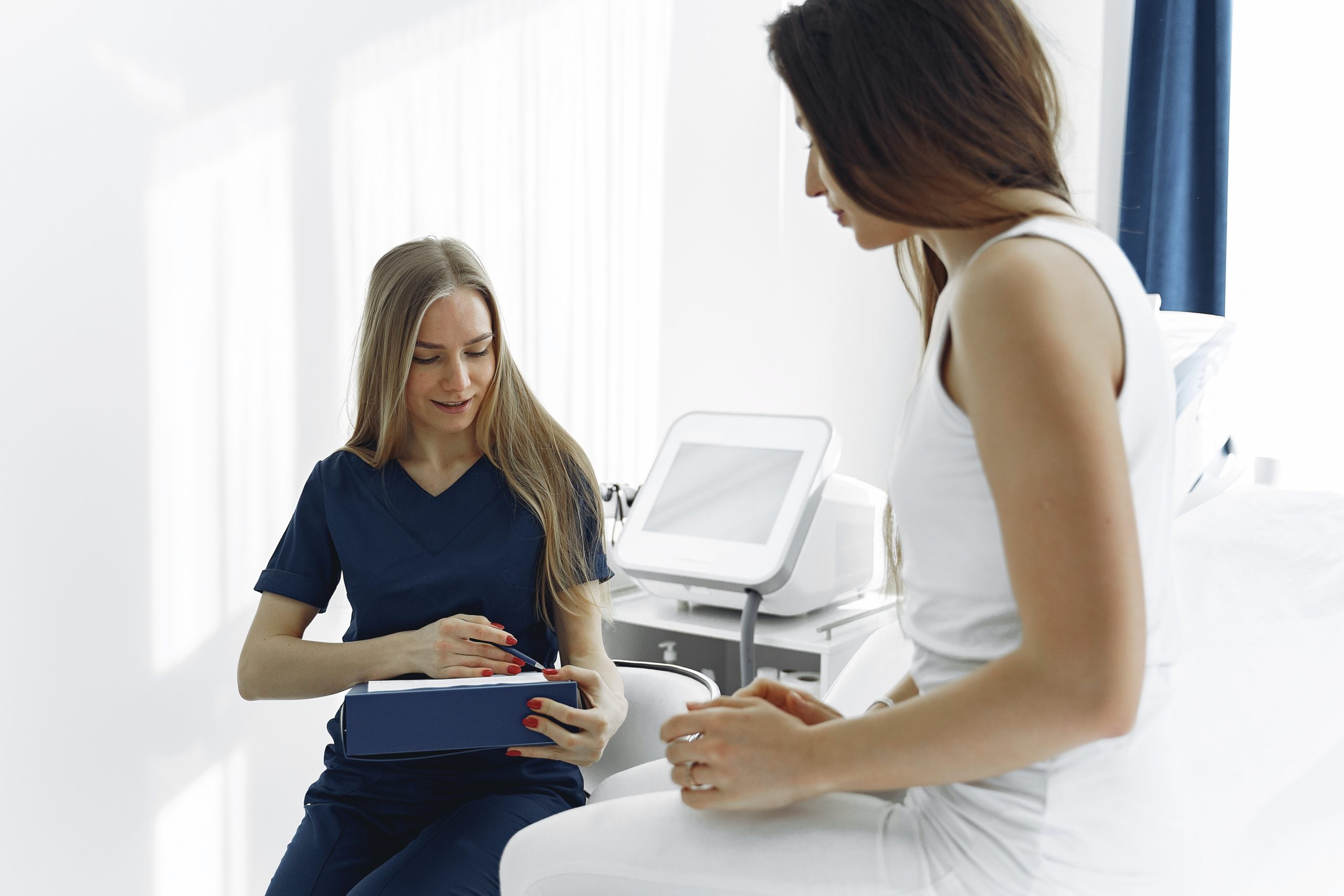

Nurse Types / Licensed Practical Nurse
You may not be thinking about what kind of nurse you want to be when you enter nursing school. Becoming a licensed practical nurse (LPN) is one of the most popular options.
LPNs are entry-level nurses who can perform nursing duties in a variety of settings. As an LPN, you’ll also have plenty of room for advancement in your nursing career with additional schooling and on-the-job experience.
In this article, you’ll learn;
- What is a licensed practical nurse (LPN)?
- What do licensed practical nurses do?
- Where do licensed practical nurses work?
- What are specific types of licensed practical nurses?
- How do you become a licensed practical nurse in 3 steps?
- What are additional requirements of licensed practical nurses?
- What are the salary and career outlooks for licensed practical nurses?
- What is the difference between an LPN and an LVN
- FAQs
Get job matches in your area + answers to all your nursing career questions
What is a licensed practical nurse (LPN)?
A licensed practical nurse is a medical professional who specializes in providing basic care to patients. LPNs work under the direct supervision of doctors and registered nurses (RNs).
LPNs primarily are responsible for the comfort of patients. They assist with hygiene and other essential needs patients can’t perform on their own. LPNs/LVNs can administer medications, it just depends on what kind. You won’t be permitted to diagnose medical conditions or prescribe medications as an LPN. LPNs are closely monitored by RNs.
Qualities of a successful licensed practical nurse
Successful licensed practical nurses must be compassionate above all else. As an LPN, you may see your patients at their worst. You’ll need to take extra care to provide the comfort they need.
Certain skills come in handy when you work as an LPN:
- Communicating with patients and their families is a regular part of your job. You must develop strong communication abilities to accurately convey information.
- Collaborating with other medical professionals is required when you work as an LPN. Developing a collaborative work ethic is a must.
- Maintaining patience and professionalism are two other important talents you’ll need as an LPN.
- Organizing patient records and managing other healthcare directives is a crucial part of your job.
What do licensed practical nurses do?
Licensed practical nurses are the backbone of doctors’ offices, hospitals, nursing homes, and other healthcare facilities. As an LPN, you’ll provide the one-on-one care patients need to recover from illnesses and injuries, or to live out their final days.
LPNs often are the first point of contact for patients and their families. Your daily tasks can include ensuring patients are comfortable and receiving quality care. Shortcode
A day in the life of a licensed practical nurse
A typical day in the life of a licensed practical nurse can be similar no matter where you work. You handle critical tasks that affect your patients’ well-being. Some of the most common job duties include:
- Applying antiseptics and changing sterile dressings on patient wounds and surgery incisions
- Assisting surgical teams and other healthcare professionals with gowns and gloves
- Collecting specimens from patients and delivering them to the lab for evaluation
- Monitoring patient food intake to ensure they receive adequate calories and the correct foods for specialized diets
- Providing basic care services based on individual patient needs
- Sterilizing equipment used for patient care and surgical procedures
Common conditions treated by licensed practical nurses
LPNs work in a variety of healthcare environments. You’ll gain experience with patients suffering from chronic health conditions and those who are recovering from emergency surgery.
Where do licensed practical nurses work?
One of the best things about becoming an LPN is you can work in virtually any healthcare setting. Here are some of the most common places LPNs work:
- Clinics hire LPNs to support RNs, nurse practitioners (NPs), and other healthcare professionals.
- Government healthcare facilities like the Veterans Administration hire up to 7% of all LPNs.
- Hospitals always need LPNs for basic patient care, with 14% of all LPNs employed in this healthcare setting.
- Nursing homes are the largest employer of LPNs, with 38% working in one of these facilities.
- Physicians’ offices employ 13% of LPNs and offer predictable scheduling.
- Schools often need LPNs to assist RNs in treating children with minor injuries or health conditions.
These are just a few of the options available to you as an LPN. The opportunities available can be tailored to fit your interests and nursing career goals.
What are specific types of licensed practical nurses?
You have many options available when working as an LPN. If you prefer working with a specific age group or in a particular healthcare environment, you have choices. Some of the most popular LPN career tracts include:
- Emergency room
- Gerontology
- Labor and delivery
- Oncology
- Pediatric
- Rehabilitation
Closely related fields
If you’re not quite sure you want to become an LPN yet, there are some closely related fields you might want to explore first.
- Dental hygienists clean patients’ teeth, take oral X-rays, and examine patients for oral diseases.
- Medical assistants help with basic patient care needs and take on the additional duties of clerical work.
- Occupational therapy assistants help patients who need to develop or recover skills needed for daily living.
Get job matches in your area + answers to all your nursing career questions
How do you become a licensed practical nurse in 3 steps?
Becoming a licensed practical nurse is easy when you follow three basic steps. You’ll need the right level of education, experience, and nursing licensure.
Step 1 – Become a Licensed Practical Nurse
The first step in starting your career as an LPN requires the right level of education and licensure. Licensed practical nurses can get through both quickly and on the job.
Earn an LPN Certificate
In order to become a licensed practical nurse, you must first enroll in an LPN certificate program. These usually last between 10-12 months, depending on whether you attend part-time or full-time. There are prerequisites so make sure you are aware of all classes needed in order to apply for a program.
Pass the NCLEX exam
After you earn your LPN certificate the next step is to pass the NCLEX exam. There are several kinds of NCLEX tests depending on the level of nursing degree. You should take the NCLEX-PN exam to become a licensed LPN.
Step 2 – Accumulate experience
Once you have your LPN licensure, you can begin working. Choosing to work in a variety of healthcare settings helps you gain valuable experience you can use to advance your nursing career.
Helpful skills and experience
LPNs interact with a variety of healthcare professionals throughout a typical shift. Strong communication skills are a must.
Other abilities you may need include:
- Ability to multitask
- Excellent bedside manner
- Genuine passion for others
- Strong organizational skills
Changing specialty to a licensed practical nurse
If you’re already working as a certified nurse assistant (CNA) and want to change your nursing specialty to an LPN, it’s easy to do. You must follow the same steps described here for becoming an LPN.
Step 3 – Obtain certifications
While not required to work as an LPN, you can pursue specialty certifications. Doing so expands your career options and earnings potential. Some of the most popular certifications for LPNs include:
- Correctional health certification prepares you to work with incarcerated patients.
- Gerontology certification trains you to work with elderly patients in a variety of healthcare settings.
- IV therapy certification that allows you to start IVs in patients.
What are additional requirements of licensed practical nurses?
As a licensed practical nurse, you’ll need to stay on top of nursing best practices to maintain your credentials. Taking free nursing CEUs on the Incredible Health website is one of the best ways to meet the requirements of renewing your nursing license.
The number of CEUs you must complete depends on the state where you practice. Check with your state board of nursing to verify how often you must update your license and all prerequisites.
What are the salary and career outlooks for licensed practical nurses?
LPNs are in high demand right now, according to information from the U.S. Bureau of Labor Statistics (BLS). Growth is projected to be about 6% between 2021 and 2031.
Salaries for LPNs vary by state. Based on BLS reported data, the national average for LPN annual salaries currently is $51,850. If you work for a government healthcare facility, you may earn slightly over the national average.
Some of the highest-paying states for LPNs include:
- California – $65,140
- New York – $53,750
- Pennsylvania – $51,090
- Texas – $50,220
Job satisfaction
Because LPN jobs are low stress and offer a good work-life balance, most LPNs feel satisfied with their work. If helping people and making a difference in your patients’ lives is one of your nursing goals, you will enjoy working as an LPN.
What’s the difference between an LPN and an LVN?
When it comes to the nursing field, there is no difference. LVN’s and LPN’s perform the same role. The only difference is that they refer to the position as a Licensed Vocational Nurse in California and Texas. In contrast, the rest of the country refers to them as a Licensed Practical Nurse.
Some states allow LPN’s to provide medications to patients and some don’t. However, all LPN’s work under RNs or physicians. They also must pass the NCLEX-PN before working.
If an LVN wanted to work in Texas or California, they would apply for Licensure By Endorsement in the same form that an LPN would.
Next steps
If you’re ready to take the next steps toward becoming an LPN, enroll in an accredited nursing certificate program to get started. You also may want to consider preparing for an advanced degree to expand your career options.
Earning a Bachelor of Science in Nursing (BSN) degree can open new doors and boost your earnings potential. There are several ways to get to a BSN, including first becoming a registered nurse and competing a RN to BSN bridge program.
Need some advice on what works best for your nursing career goals? Reach out to other nursing professionals on the Incredible Health website to get the best advice.
FAQs
A licensed practical nurse is a medical professional who specializes in providing basic care to patients. LPNs/LVNs work under the direct supervision of doctors and registered nurses (RNs).
The national average for LPN annual salaries currently is $51,850.
– Apply antiseptics and change sterile dressings on patient wounds and surgery incisions
– Assist surgical teams and other healthcare professionals with gowns and gloves
– Collect specimens from patients and deliver them to the lab for evaluation
– Monitor patient food intake to ensure they receive adequate calories and the correct foods for specialized diets
– Provide basic care services based on individual patient needs
Get job matches in your area + answers to all your nursing career questions
Sources
- 5 Healthcare Jobs Similar to Nursing that You can Pursue at Goodwin. goodwin.edu. Accessed July 15, 2022.
- Gerontological Nursing Certification (GERO-BC™). nursingworld.org. Accessed July 15, 2022.
- How Nurses Feel About Their Jobs. advisory.com. Accessed July 15, 2022.
- IV Therapy Certification. napnes.org. Accessed July 15, 2022.
- LVN vs LPN: Is There Really a Difference? rasmussen.edu. Accessed September 12, 2022.
- NCLEX & Other Exams. ncsbn.org. Accessed July 15, 2022.
- Occupational Outlook Handbook Licensed Practical and Licensed Vocational Nurses. bls.gov. Accessed July 15, 2022.
- Occupational Employment and Wages, May 2021. bls.gov. Accessed July 15, 2022.
- Practical Nurse – A Day in the Life. deltacollege.edu. Accessed July 15, 2022.
- Professional Certification. ncchc.org. Accessed July 15, 2022.
- What is a Licensed Practical Nurse? webmd.com. Accessed August 29, 2022.