
Nurse Types / Plastic Surgery Nurse
Every patient undergoing plastic surgery has a story. They want to change something about themselves. In some cases, patients have been through traumatic experiences. That’s why becoming a plastic surgery nurse can be so rewarding. Nurses in this field support, encourage and care for patients undergoing life-changing transformations daily.
If you enjoy making others feel better about themselves, then a career in the growing field of plastic surgery nursing might be ideal for you!
Whether you’re a bedside nurse or a new graduate nurse considering this specialty, we’ve compiled everything you need to know about plastic surgery nursing.
- What is a plastic surgery nurse?
- What do plastic surgery nurses do?
- Where do plastic surgery nurses work?
- What are specific types of plastic surgery nurses?
- How do you become a plastic surgery nurse in 3 steps?
- What are the additional requirements of plastic surgery nurses?
- What are the salary and career outlooks for plastic surgery nurses?
Get job matches in your area + answers to all your nursing career questions

What is a plastic surgery nurse?
Plastic surgery is a multidisciplinary specialty that may include aspects of oral maxillary surgery, dermatology, or ophthalmology. It can include cosmetic or reconstructive aspects.
A plastic surgery nurse, also known as an aesthetics nurse, is a nursing professional who cares for patients undergoing plastic or cosmetic surgeries to enhance their appearance. They work with plastic surgeons, medical assistants, and other support staff to provide safe and effective pre-, peri-, and post-operative care.
Qualities of a successful plastic surgery nurse
Plastic surgery nursing is about caring for patients who are changing their appearance to feel and look better. Since this can be a big change, it takes the right nurse to make patients feel comfortable and safe in their care. A successful plastic nurse must be compassionate and empathetic.
Patients undergoing a cosmetic procedure may be sensitive to, or even hyper-aware of, a nurse’s facial expressions or body language. Plastic surgery nurses must be warm and caring to put patients at ease.
The plastic surgery nurse should also have an eye for detail. When assisting with a procedure, they should be able to identify problems to help the surgeon give the patient the best outcome.
What do plastic surgery nurses do?
Plastic surgery nurses work with physicians, surgeons, and other providers to care for patients undergoing invasive and non-invasive surgical or cosmetic procedures. These may be as minor as a chemical peel or as complicated as pediatric facial reconstruction after a traumatic accident.
Some of the plastic surgery nurse’s primary duties include:
- Taking patient histories
- Administering medications
- Performing dermatologic, cosmetic or aesthetic treatments such as injections, laser treatments, or chemical peels
- Providing pre-and post-op care
- Helping in the OR during procedures
- Monitoring patients during and following procedures
- Dressing wounds and surgical sites
- Teaching patients and families
The roles and responsibilities of a plastic surgery nurse vary depending on where the nurse works. Nurses who choose plastic surgery as their specialty find a diverse range of settings and practice options.
A day in the life of a plastic surgery nurse
The typical day for a plastic surgery nurse is an eight-hour shift. You will see patients in an outpatient office setting and may see up to ten patients daily in a busy practice. Plastic surgery procedures are considered elective, so the pace of a plastic surgery nurse’s day is more laid-back than in other settings like inpatient.
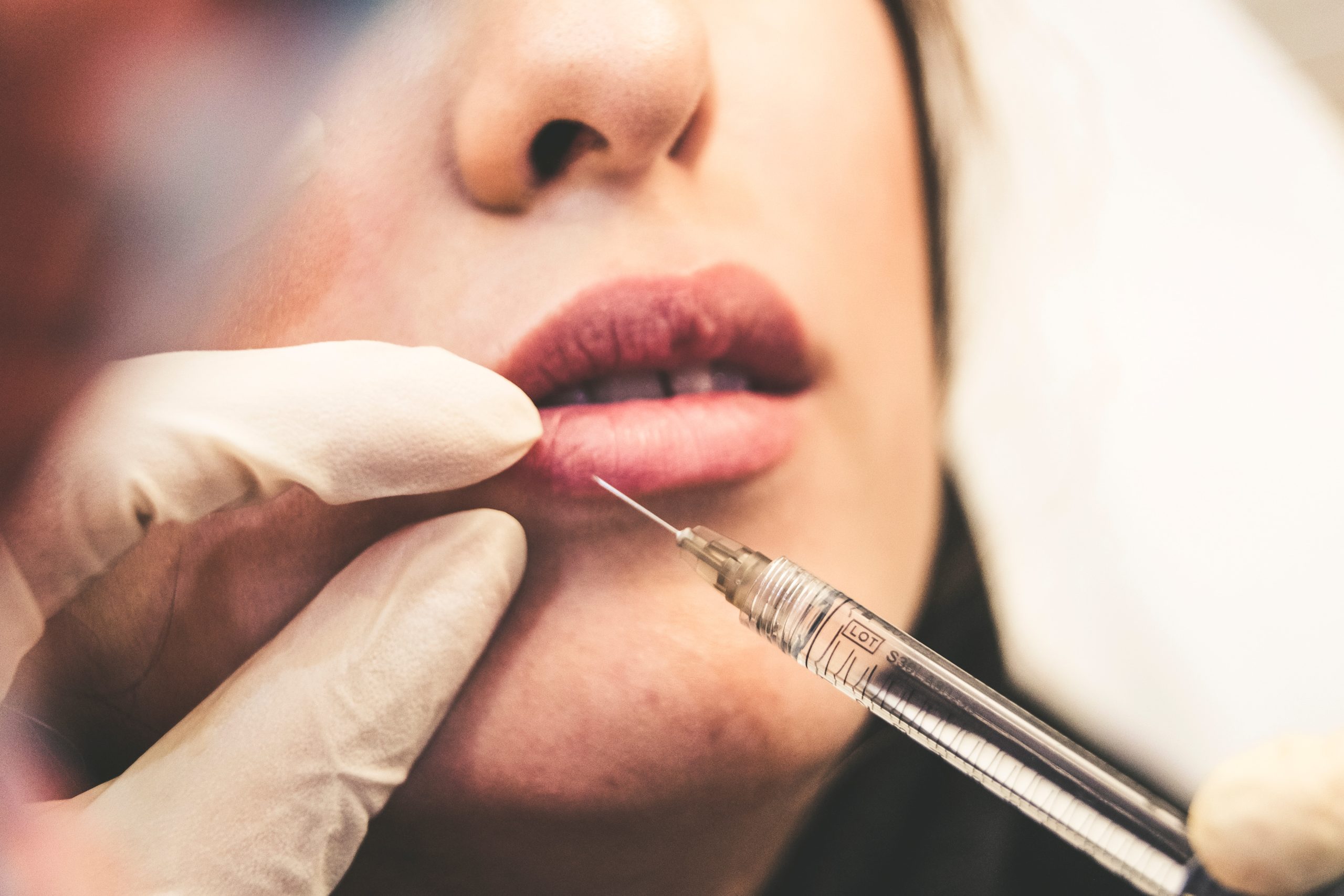
Patients in the office are seen for consultations, follow-up appointments, or minor procedures. As a plastic surgery nurse, you may administer injectables for facial contouring or lip injections. There may be phone calls to patients and other administrative tasks to be done.
If you work with a plastic surgeon performing procedures such as rhinoplasty or abdominoplasty, you might alternate “clinic days” with “surgery days,” depending on the schedule.
Every day will be packed with learning opportunities and rewarding emotional experiences as you give patients a new look.
Common conditions treated by plastic surgery nurses
Plastic surgery nurses treat patients who are considering or undergoing procedures such as:
- Abdominoplasty (tummy tuck)
- Adult or pediatric reconstruction
- Breast augmentation, reduction, or reconstruction
- Brow, chin, face, or neck lifts
- Burn site reconstruction
- Cleft palate surgeries
- Craniomaxillofacial trauma reconstruction
- Hair transplants
- Injectable fillers (Botox or Juvederm)
- Laser treatments
- Liposuction or body contouring
- Microvascular reconstruction of the head and neck
- Skin cancer reconstruction
- Skin care procedures (chemical peels, microdermabrasion, skin resurfacing)
- Wound repairs
Plastic surgery nurses can care for patients of all ages, from newborns to the elderly.
Where do plastic surgery nurses work?
Nurses who specialize in plastic surgery nurses work in a wide range of settings, including:
- Private practices
- Hospital operating rooms
- Outpatient clinics
- Burn clinics
- Dermatology offices
- Outpatient surgery centers
- Ear, Nose, and Throat (ENT) specialty offices
- Pediatric surgery clinics
- Medical spas
- Plastic surgeon offices
As a plastic surgery nurse, you may work in multiple settings. For example, you might see patients in an outpatient clinic one day and follow your physician to the hospital for surgeries the next.
What are specific types of plastic surgery nurses?
Nurses in the plastic surgery field can specialize even further. Here are a few specific types of plastic surgery nurses:
- Aesthetic nurses administer injectables or performs aesthetic procedures to rejuvenate or correct defects or postpone aging.
- Burn surgery nurses care for patients in the acute or reconstructive phase of burns and practices all aspects of burn care.
- Craniofacial surgery nurses assist physicians with various craniofacial surgeries, including the face, jaw, and neck.
- Neuroplastic reconstruction nurses treat adult patients suffering from injury, deformity, tumors or trauma to their face or skull region.
Get job matches in your area + answers to all your nursing career questions
How do you become a plastic surgery nurse?
Step 1 – Become a registered nurse
To practice as a plastic surgery nurse, the first step is to become a registered nurse (RN). While some employers may hire nurses with a 2-year Associate Degree of Nursing (ADN), a Bachelor’s of Science in Nursing (BSN) degree is usually preferred.
Earn a BSN degree
Nursing schools prepare students with a two-year Associate Degree in Nursing (ADN) or a four-year Bachelor of Science in Nursing (BSN) degree. Bachelor’s prepared nurses complete similar courses as ADN nurses but have additional coursework in management, public health, and research.
ADN nurses can return to school to earn a BSN degree in 18–24 months. The RN-to-BSN degree programs are designed for licensed RNs who already have either a diploma in nursing or an associate degree. Most nursing schools offer a few different BSN programs to accommodate the schedules of busy full-time RNs. Many have online and in-person options.
Aspiring nurses who do not have a nursing degree but already have a bachelor’s degree may be eligible for an Accelerated Bachelor of Science in Nursing (ABSN). The ABSN degree programs offer a fast track to the BSN for students who have already graduated with a bachelor’s in another field.
Most ABSN programs require a degree in a related field such as social work, nutrition, or psychology. ABSN programs are intensive because they condense a 4-year nursing degree into as little as 12–18 months.
Pass the NCLEX-RN exam
After nursing school, the next step for nursing graduates is to pass the NCLEX-RN exam. All state boards require this test of nursing for licensure.
Step 2 – Accumulate experience
After obtaining a nursing license, it’s time to get experience under your belt. Most plastic surgery nurse jobs require at least two years of nursing experience.
Helpful Skills and experience
Surgical experience, including PACU and pre-op care, will be a plus for employers. Plastic surgery nurses must also be:
- Effective communicators: able to communicate without coming across as judgmental or disrespectful
- Courteous & respectful: must have excellent customer service skills
- Outgoing attitude: positive outlook to share with patients
- Good organization skills: able to multitask
Changing specialty to a plastic surgery nurse
If you’re already nursing and want to change your specialty to plastic surgery, here are a few things to keep in mind.
Except for hospital jobs, plastic surgery is often ambulatory or outpatient care. If you’re transitioning to plastic surgery from a unit like med-surg, you will enjoy shorter shifts and more time with your patients. Even in a busy practice, there will be less time rushing around and more time spent educating and reassuring your patients.
There may be fewer on-call shifts, which can also mean less money.
Step 3 – Obtain certifications
Once you get a job as a plastic surgery nurse, you may want to get certified. While not required to practice as a plastic surgery nurse, certifications can prove your expertise and skills in the field. The Plastic Surgical Nursing Certification Board (PSNCB) offers two certifications for plastic surgery nurses. Both certifications are awarded to applicants who pay a fee and successfully pass a certification exam.
- The Certified Plastic Surgical Nurse (CPSN) credentials are available to RNs with:
- Two years of experience within the past 3 years
- 1000 hours of clinical experience working in a plastic surgery setting
- Current employment working with a board-certified plastic surgeon, oculoplastic surgeon (ophthalmologist), or facial plastic surgeon (ENT)
- The Certified Aesthetic Nurse Specialist (CANS) credentials are available to RNs with:
- Two years of experience within the past 3 years
- 1000 hours of clinical experience working in a plastic surgery setting
- Current employment working with a board-certified plastic surgeon, oculoplastic surgeon (ophthalmologist), or facial plastic surgeon (ENT)
Certified nurses must renew PSNCB certifications every 3 years.
Another certification for plastic surgery nurses is the Botox and Filler certification. This certification is primarily for nurses in private practices or medical spas who administer injectables.
Depending on the setting, you may also be certified in wound care, post-anesthesia recovery, or oncology care.
What are the additional requirements of plastic surgery nurses?
To practice as a plastic surgery nurse, you must have current BLS certification and an active license.
Plastic surgery nurses must also stay up to date with the latest practices and standards of care. Continuing education courses help nurses stay current on evidence-based interventions and standards of care.
What are the salary and career outlooks for plastic surgery nurses?
As of June 2022, the average annual pay for a Plastic Surgery RN in the United States is $79,915 annually. This figure works out to $38.42 per hour. ZipRecruiter reports salaries as high as $137,500. California pays nurses significantly higher than most states.
In addition to great pay, job prospects for plastic surgery nurses will continue to grow. The Bureau of Labor Statistics estimates job growth of 6% between 2021 and 2031.
Job satisfaction
Plastic surgery nurses can expect a high level of job satisfaction from the fulfillment of positively changing patients’ lives. Through reconstructive surgery or cosmetic treatments, most patients leave feeling happy and hopeful. The work environment in plastic surgery is typically positive and promising.
Get job matches in your area + answers to all your nursing career questions
Next steps
Rewarding careers in plastic surgery nursing also offer opportunities for advancement.
Nurses can become Plastic Surgery Nurse Practitioners by earning their Master’s of Science in Nursing or Doctor of Nursing Practice degree.
NPs with advanced education and training can work autonomously and have more opportunities to perform cosmetic procedures, such as laser hair removal, tattoo removal, or face and body contouring.
Plastic surgery nurses can also join professional organizations to stay ahead in their field, learn from colleagues, and support the profession.
Hopefully now you can see what plastic surgery nursing is all about. If you’ve been looking for your next nursing opportunity and want to truly make a difference in your patients’ lives, a career in this field of cosmetic and reconstructive surgery may be perfect for you.
Here are a few plastic surgery nursing resources:
- International Society of Plastic and Aesthetic Nurses
- American Academy of Facial Plastic and Reconstructive Surgery, Inc
- American Association of Plastic Surgeons
- American Society of Plastic Surgeons
- Plastic Surgical Nursing Journal
Sources
- “Botox and Filler Certification”. aestheticmedicaltraining.com. Accessed June 21, 2022.
- “Get Certified: CPSN”. psncb.org. Accessed June 21, 2022.
- “Get Certified: CANS”. psncb.org. Accessed June 21, 2022.
- “Neuroplastic surgery”. hopkinsmedicine.org. Accessed June 22, 2022.
- “Overview of Facial Plastic Surgery and Current Developments”. ncbi.nlm.nih.gov. Accessed June 21, 2022.
- “Plastic Surgical Nursing Certification Board”. psncb.org. Accessed June 21, 2022.
- “Plastic Surgery RN Annual Pay”. ziprecruiter.com. Accessed June 22, 2022.
- “Registered Nurses: Occupational Outlook Handbook”. bls.gov. Accessed June 22, 2022.