
Radiologic technologists are essential members of today’s healthcare teams—but where and how you work can vary widely, depending on your work environment and rad tech https://www.incrediblehealth.com/tech/career-progression-guide-for-radiologic-technologists-what-to-expect/specialty. While hospitals are the most common starting point for new grads, rad techs are in demand across a variety of clinical settings—from trauma centers and outpatient imaging to women’s health facilities and even mobile units.
Whether you’re just entering the field or are exploring new directions after a few years of experience, this guide breaks down the most common clinical settings for rad techs and what you can expect from each—so you can find the environment that’s right for your goals, lifestyle, and interests.
Hospital Radiology Departments (Inpatient)
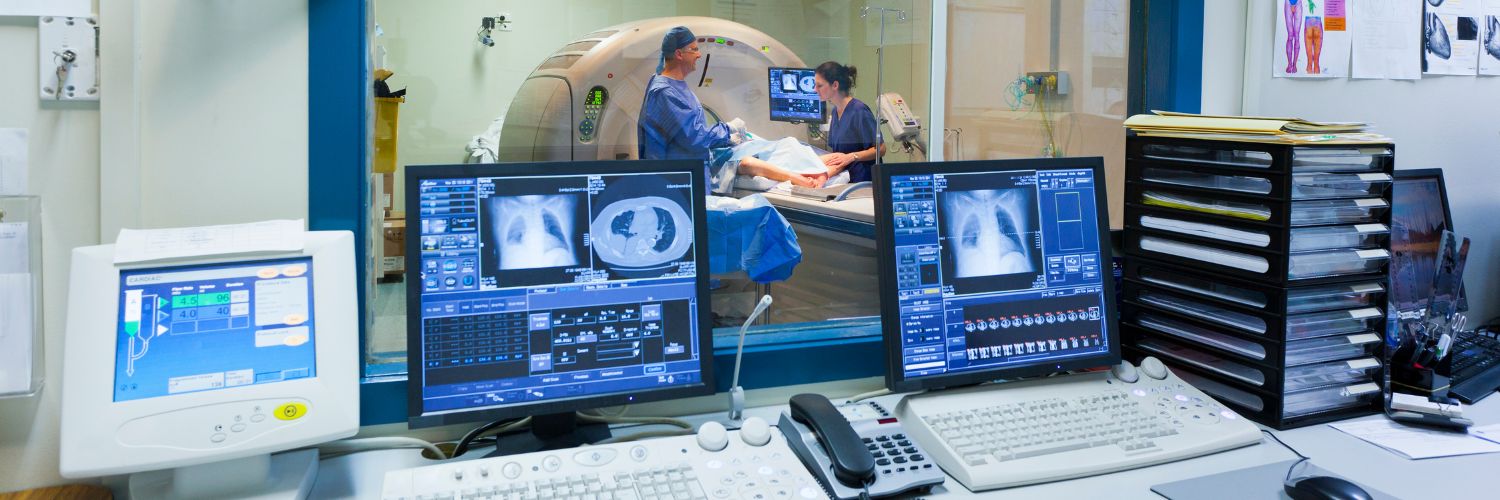
Hospital imaging departments tend to be high-volume, fast-paced, and constantly in motion. You’ll likely rotate through general X-ray, portable imaging, and may have opportunities to cross-train in specialties like CT, MRI, or even interventional radiology. Working both scheduled and emergency cases means your schedule could include evenings, weekends, and on-call shifts.
Hospitals are the perfect place to build foundational experience and refine your clinical skills—especially early in your career.
Outpatient Imaging Centers
Outpatient imaging centers offer scheduled exams such as X-rays, CT scans, MRIs, mammograms, or DEXA. They typically handle little to no emergency work. These settings tend to operate during standard weekday hours, which makes them ideal for those who are looking to avoid shift work or long hospital rotations.
Outpatient imaging is a great choice for techs who enjoy patient care and prefer predictability in your day-to-day.
Specialty Imaging Centers
Radiology offers opportunities for deep specialization, whether it’s musculoskeletal X-rays in an orthopedic clinic, diagnostic breast imaging in a women’s health center, or PET/CT in an oncology setting. Specialty clinics allow techs to develop in-depth knowledge of specific anatomy and imaging protocols, making them a great choice for techs who favor going deep over going broad—and prefer a lower-stress environment.
OB/GYN & Women’s Health Centers
If you’re mammography- or ultrasound-certified, women’s health is a highly rewarding area of radiology. Techs in these clinics perform exams like breast cancer screenings, OB ultrasounds, and DEXA scans in a calm, personalized environment. Many patients come in annually, which allows for lasting patient relationships. This setting offers a strong balance between technical skill and compassionate care, though emotional sensitivity is key—especially during diagnostic exams.
Trauma Centers & Emergency Departments
Working in an emergency room or Level I trauma center is not for everyone. It’s an adrenaline-fueled environment where techs perform rapid X-rays and CT scans—often bedside—as part of fast-moving care teams responding to everything from motor vehicle accidents to gunshot wounds. These roles demand quick thinking, physical endurance, and emotional resilience, but offer unmatched clinical experience and professional growth.
Mobile Imaging Services
Mobile imaging teams work outside the walls of a hospital or clinic—often bringing services directly to nursing homes, homebound patients, or rural communities. Rad techs on mobile teams handle setup, scanning, and sometimes even patient documentation—often all on their own.
While travel and solo work require extra responsibility, many techs love the autonomy and change of scenery. Plus, it rarely involves night shifts.
Military & VA Hospitals
VA and military healthcare settings offer techs the chance to work with veterans, active-duty service members, and their families. You’ll typically see a wide variety of imaging needs, with structured workflows and government-supported pathways for training and advancement. If you want long-term security and stable benefits, and enjoy a more structured work environment, this is a setting worth exploring.
Choosing the right setting for you
There’s no “one-size-fits-all” when it comes to your career as a radiologic technologist—and that’s a good thing. No matter what path you start on, there’s room to grow and shift. The key is finding what fulfills you now and being open to change in the future.
Ready for something new? Sign up for Incredible Health’s AI-powered job marketplace and start searching for your next dream job.
Plus: Read our healthcare technician resume guide and rad tech intervew guide for tips and tricks to land an interview—and then ace it.