
Radiologic technology is a dynamic and rewarding field, offering strong demand and competitive pay. One of the biggest advantages of becoming a rad tech is the wide variety of specialties and clinical settings you can choose from, providing countless opportunities for specialization and career advancement.
Whether you prefer fast-paced procedures or focused, one-on-one care, you can tailor your career as a radiologic tech to your unique interests and strengths. In this guide, we’ll walk through common radiologic tech specialties—and what makes them unique—to help you find your perfect fit.
General Diagnostic Radiography Technician
General diagnostic radiography techs perform a variety of imaging procedures to help diagnose patient conditions, typically working in hospitals, urgent care clinics, and outpatient imaging centers.
This specialty offers the most variety, making it an ideal choice for new grads and techs just starting out in the field—or for those who like every day to look a little different. The broad range of experience gained in general radiography opens the door for rad techs to cross-train into other specialties and springboard their careers.
Magnetic Resonance Imaging (MRI) Technologist
MRI techs play an essential role operating MRI scanners to produce detailed images of the body’s soft tissues. They most often work in hospitals and outpatient imaging facilities.
Operating the specialized machinery requires a calm, quiet environment, making it a no-brainer for rad techs who enjoy precise and focused work. It’s best for techs who are patient and can communicate well, as MRI procedures require patients to stay still for long periods of time and follow precise directions. MRI also offers higher earning potential as it requires training in specialized equipment.
Computed Tomography (CT) Technologist
CT techs operate specialized imaging machinery to capture cross-sectional diagnostic images of the body. They typically work in hospital emergency departments, trauma centers, and outpatient clinics.
For techs who can stay cool and confident under pressure, CT is an excellent application of your skills. CT techs often work in emergency settings where quick and accurate imaging is essential—a natural fit for those who are adaptable, quick on their feet, and want to have deep clinical impact. Like MRI, this specialty requires specialized training, which often comes with higher pay than other areas of radiology.
Mammography Technologist
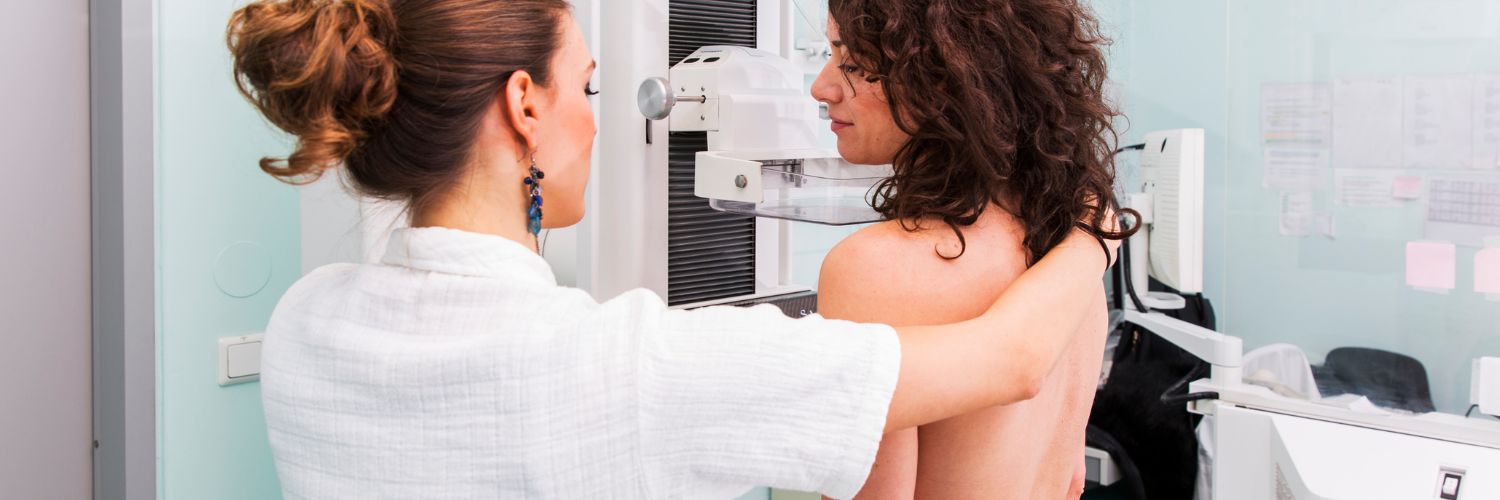
Often working in women’s health centers or imaging centers, mammography techs perform imaging exams to help screen for and diagnose breast abnormalities, most commonly breast cancer.
This specialty offers a balance of compassionate care and technical skill, making it an ideal choice for rad techs who want meaningful patient interactions with reasonable hours. If you have a passion for patient care and want to play an essential role in early cancer detection and intervention, mammography is a rewarding choice.
Interventional Radiology Technologist
Interventional radiology techs assist with real-time, image-guided procedures like biopsies and stent placement. They typically work in hospitals or specialized outpatient centers.
Blending real-time patient interaction with high-tech procedural skill, this specialty is a great choice for techs who want to work in a fast-paced and varied environment. If you enjoy working in real time with physicians and radiologists to perform high-tech procedures, this may be your perfect fit. This specialty also paves an exciting path for rad techs who want to advance their career by further specializing into areas like vascular interventional radiology.
Bone Densitometry (DEXA) Technologist
Bone densitometry technologists perform DEXA scans to screen for osteoporosis and other bone conditions by measuring the patient’s bone density. They usually work in outpatient clinics or primary care offices.
This specialty is a great pick for techs who want a consistent, reliable day-to-day routine. Primarily working in preventative care, DEXA techs have more opportunities to form long-term patient relationships than other specialties, an attractive option for techs who value wellness and patient outcomes. Plus, techs seeking greater work-life balance will appreciate that predictable schedule and lower-stress setting.
Nuclear Medicine Technologist
Nuclear medicine technologists utilize radiopharmaceuticals and specialized equipment to detect abnormalities and measure organ function. Nuclear medicine is most commonly performed in hospitals, cancer centers, and research facilities.
This highly specialized area of radiology is a perfect fit for techs who enjoy using science, math, and advanced technology to solve problems on the fly. It’s among the most advanced and highest paying specialties within radiology, offering a rewarding career path for techs who have strong career aspirations and seek a balance of imaging, chemistry, and patient care in their day-to-day work.
Diagnostic Medical Sonography (Ultrasound) Technician
Ultrasound technicians use high-frequency sound waves to capture images of the organs and tissues to help diagnose conditions and track fetal development. They often work in hospitals, OB/GYN clinics, and imaging centers.
Unlike most other specialties, ultrasound techs perform scans in real time—an engaging choice for techs who can adapt on the fly and enjoy building rapport with patients. If you prefer a variety of tasks over a consistent routine, ultrasound may be for you: Between OB/GYN, abdominal, musculoskeletal and more, no two days will look the same—and there’s plenty of room for career growth and specialization.
Which radiologic tech specialty is right for you?
Each radiologic tech specialty offers its own pace, challenges, and rewards. Whether you’re drawn to the preventative nature of DEXA or the quiet precision of MRI, finding a path that aligns with your unique interests will help you grow in a career that’s both successful and fulfilling.
Ready for your next role? Sign up for Incredible Health and get started finding your dream job.
Plus: Read our healthcare technician resume guide and radiologic tech intervew guide for tips and tricks to land an interview—and then ace it.