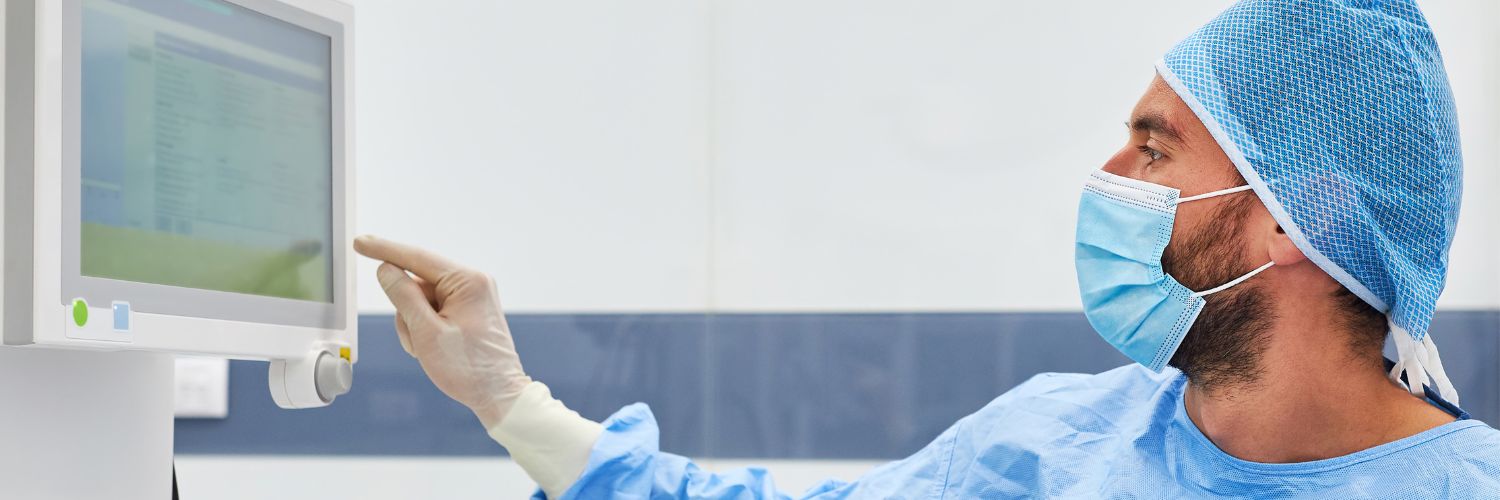

Choosing a career as a surgical technologist means stepping into an impactful role helping people through some of the most challenging moments of their lives. Depending on which specialization and clinical setting you choose, your day-to-day experience can vary widely, ranging from long, meticulous procedures in neurosurgery to fast-paced, high-turnover days in ENT.
In this guide, we’ll explore common specialties for surgical techs—and what makes them unique—to help you find the role that best matches your strengths and interests.
General Surgery Technologist
General surgery technologists assist with procedures on abdominal organs such as the appendix, gallbladder, liver, stomach and more. These roles are common in hospitals and ambulatory surgery centers.
For techs just starting out in the field, general surgery is a great choice: You’ll gain exposure to a wide range of cases and procedures, and you’ll have opportunities to advance to cross-train into other specialties as you grow. This specialty is also a strong fit for those who like variety in the day-to-day.
Orthopedic Surgery Technologist
Commonly working in hospitals, trauma centers, and sports medicine clinics, orthopedic techs work on procedures involving the bones, joints, muscles, and ligaments.
This high-demand specialty is a no-brainer for techs who enjoy working with mechanical tools and instrumentation. Plus, orthopedic surgery typically also offers a steady stream of more frequent procedures, making it a smart pick if you thrive on routine.
ENT Surgical Technologist
ENT surgical techs assist with procedures related to the ear, nose, and throat, such as tonsillectomies and sinus surgeries. They typically work in ambulatory surgery centers and outpatient clinics, as well as pediatric settings.
Most ENT cases are short and predictable, making it an attractive specialty for techs who want a consistent schedule and workload. If you prefer a lower-pressure, more structured environment and want to work with both adult and pediatric patients, look no further.
Neurosurgery Technologist
Neurosurgery technologists typically work in academic hospitals or specialized surgical centers and assist with intricate procedures involving the brain, spinal cord, and nervous system.
A highly specialized (and thus high-paying) profession, neurosurgery is a great choice for techs who want to go deep on one complex yet rewarding area of medicine. These techs master advanced tools, work with cutting-edge technology, and assist with life-changing procedures—an ideal choice for detail-obsessed techs who crave intellectually rewarding work.
OB/GYN Surgical Technologist
OB/GYN surgery techs assist with women’s reproductive health procedures like C-sections and hysterectomies. Most work in labor and delivery departments or outpatient clinics.
This specialty is an easy choice for those who want to support mothers and babies during their most life-changing moments. An emotionally complex—and often rewarding—profession, these techs can expect a fast-paced environment where an ability to stay calm and empathetic under pressure is essential. It’s also one of the more in-demand specializations, offering a high degree of job stability.
Cardiovascular Surgery Technologist
Cardiovascular surgical techs play an important role in surgeries involving the heart and chest, such as open-heart surgeries, valve repairs, and bypasses. They most often work in hospitals, academic settings, and trauma centers.
For techs who thrive under pressure and want to work with cutting-edge technology to help perform life-saving procedures, cardiovascular surgery is a rewarding choice. It’s also one of the highest-paying and most well-respected specialties for surgical techs.
Urology Surgery Technologist
Urology surgical techs support urological procedures such as vasectomies, cytoscopies, and prostatectomies, usually in urology clinics and surgery centers.
This specialty focuses on small anatomy and instrumentation, making it a great choice for techs who are detail-oriented and meticulous. As robotics are becoming more common in urology procedures, this field offers valuable training for those looking to future-proof their skills and work with cutting-edge technology. Typically working in outpatient clinics, this specialty also offers more consistent hours than others.
Find your unique fit
Each surgical technologist specialty offers unique challenges and rewards. By choosing a specialty that aligns with your strengths, you’ll set yourself up for a fulfilling career as a surgical tech.
Ready for your next role? Sign up for Incredible Health and get started finding your dream job.
Plus: Read our healthcare technician resume guide and surgical tech intervew guide for tips and tricks to land an interview—and then ace it.