
Nurse Types / PCU Nurse
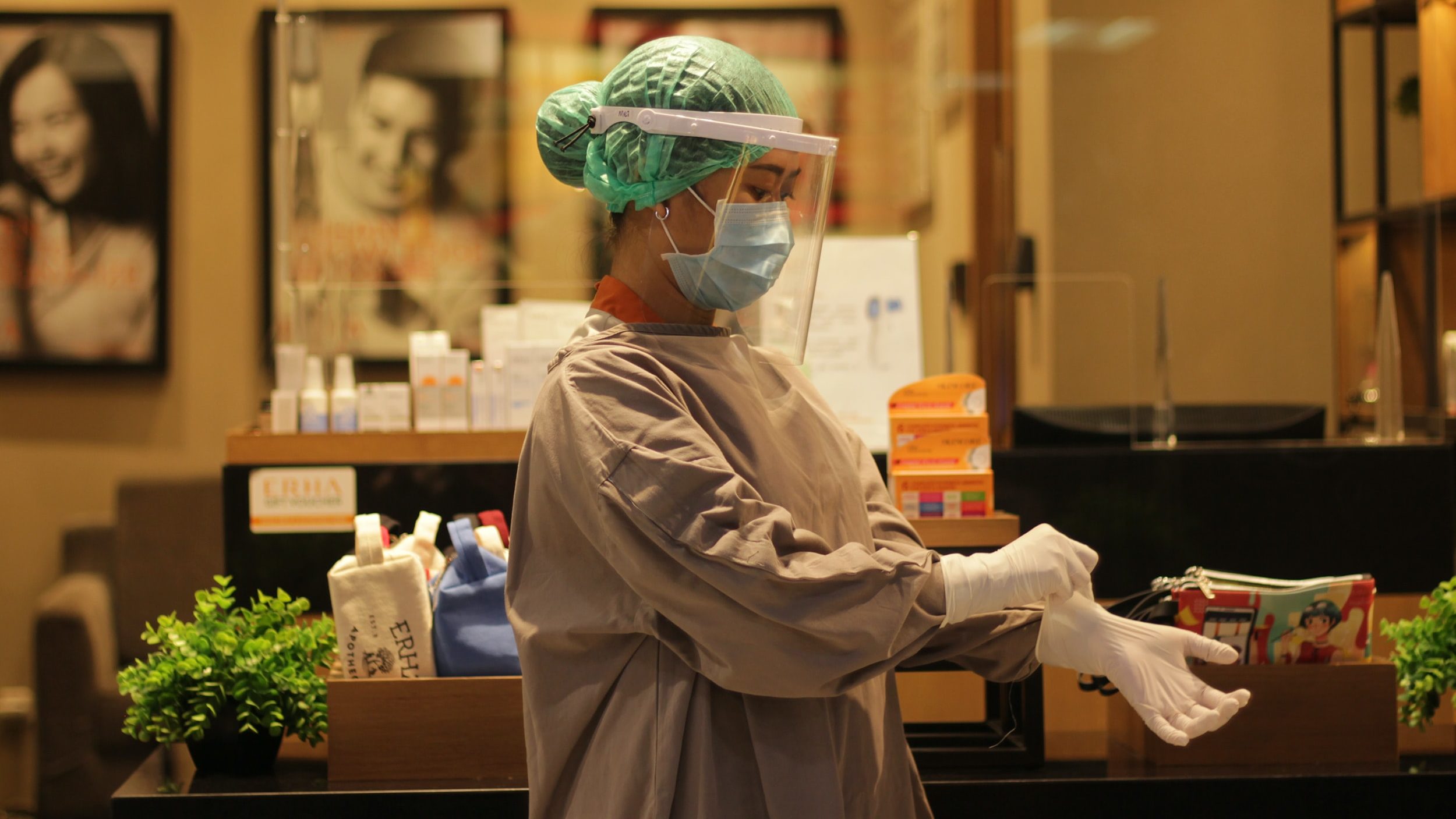
A PCU nurse works in a Progressive Care Unit unit where they treat patients with a variety of chronic health conditions or those recovering from surgeries. They work with patients who need an intermediate level of attention that doesn’t rise to the level of intensive care.
In this article you’ll learn:
- What is a PCU nurse?
- What do PCU nurses do?
- Where do PCU nurses work?
- What are specific types of PCU nurses?
- How do you become a PCU nurse in 3 steps?
- What are additional requirements of PCU nurses?
- How can PCU nurses advance their careers?
Get job matches in your area + answers to all your nursing career questions

What is a PCU nurse?
A Progressive Care Unit nurse provides bedside care to patients in the PCU unit. Sometimes PCUs are called telemetry units, intermediate care units, direct observation units, step-down units, or transitional care units.
As a PCU nurse, you’ll treat patients with a variety of chronic health conditions or those recovering from surgeries. You must follow the healthcare team’s plans for your patients to ensure a swift and complete recuperation.
Not sure what nursing career path is best for you?
Try Incredible Health's nursing specialty quiz.
Qualities of a successful PCU nurse
If you’re a nurse, you know it takes a special set of skills and qualities to be effective at your job. PCU nurses are no different. You’ll enjoy your job duties more if you possess the following characteristics:
Attention to detail
Patients in need of intermediate care have specific healthcare plans you must follow. Noting any new symptoms or reactions to treatment requires a keen eye.
Commitment to patient advocacy
Your patients sometimes can’t speak for themselves. They’ll need you to make sure they receive the level of care required for their complete recovery. You must commit to serving as their caregiver and advocate when necessary to ensure their needs are met.
Empathy
All nurses should have this quality, but it is especially important for you if you plan to work in the PCU. Patients in this unit may have chronic conditions that cause them emotional and physical pain. Connecting with them can help them heal faster.
Organization skills
Patients that need an intermediate level of care have a lot of medical information and instructions. You’ll need to review and organize these to ensure they get everything needed for their recovery. PCUs can move at a hectic pace, so being organized helps you stay on top of patient care.
Sense of humor
Let’s not forget this critical skill. Caring for patients in the PCU can be stressful. You’ll need a solid sense of humor to get through the day. Your patients might benefit from some laughter as well. The healing benefits of laughter are well-documented.
What do PCU nurses do?
Your responsibilities as a PCU nurse can vary from one day to the next. Among the most common tasks you’ll perform include:
- Assisting other members of the medical care team to ensure the patient’s needs are met
- Calculating drug doses for your patients and administering prescribed medications
- Changing dressings, inserting and checking catheters, and starting or changing IVs
- Evaluating and monitoring your patients to determine their healing progression
- Preparing medical equipment assigned to the patient and assisting doctors with bedside procedures
A day in the life of a PCU nurse
A day in the life of a PCU nurse can be hectic and stressful. Your patients require close monitoring and frequent assessment to ensure they are on the path to recovery. They may not be sick enough for the ICU, but their conditions can turn on a dime. You’ll need to pay close attention to ensure their care needs are met.
If you choose to work as a travel PCU nurse, you’ll have the added benefit of exploring new hospitals and working with different patients and healthcare teams.
Common conditions treated by PCU nurses
Patients living with chronic conditions can find themselves in the PCU during a flare that becomes life-threatening. Some of the other common conditions you’ll encounter as a PCU nurse include:
- Cancer
- Chronic or complicated non healing wounds
- Defibrillator or pacemaker implant
- Heart attacks and heart surgeries
- Pneumonia
- Sepsis and other systemic infections
- Stroke
Where do PCU nurses work?
Most PCU nurses work in hospitals. Other options include long-term care facilities and specialized treatment and recovery centers. It’s also possible to work as a travel PCU nurse, which places you in a different hospital or other PCU frequently.
The number of hours you work depends on the hospital’s staffing needs. Most PCU nurses work full-time. You may be required to be on-call.
What are specific types of PCU nurses?
Just like ICUs, PCUs are grouped into four types: medical, surgical, neonatal/pediatric, and medical-surgical. If you choose to become a PCU nurse, you have the option of specializing in one of these four areas. Working with specific patient groups is possible as a PCU nurse. Some possibilities include:
- Addiction
- Cardiovascular
- Critical care
- Genetics
- Neonatal
- Nephrology
- Rehabilitation
Closely related fields
Not all hospitals have PCUs. Smaller facilities have what are known as telemetry floors instead. Telemetry nursing is closely related to PCU nursing. A telemetry nurse specializes in using medical tools to monitor a patient’s health.
Another closely related field is transitional care. PCU nurses can use their skills to help patients transition from one care setting to another without compromising their health.
How do you become a PCU nurse in 3 steps?
There are specific education, licensing, and certification requirements you must meet before you can start your career as a PCU nurse. It can take up to four years to complete your schooling. Follow these three steps to get started.
Step 1 – Become a Registered Nurse
All PCU nurses must hold a Registered Nurse (RN) licensure. There are several ways to get an RN license. You can complete an Associate Degree in Nursing (ADN) and pass the NCLEX-RN exam. You also can choose to pursue your Bachelor of Science in Nursing (BSN), which many hospitals now require of RNs.
Earn a BSN degree
It takes three to four years to earn your BSN degree, depending on whether you attend full- or part-time. Pursuing your BSN opens doors to nursing career advancement. Make sure you choose a BSN program accredited by a reputable accrediting agency.
If you already have your RN licensure but want to earn your BSN, you can do so while continuing to work. The RN to BSN program is designed for working RNs.
If you have a BSN in an unrelated field but want to become a nurse, there is the Accelerated Bachelor of Science in Nursing (ABSN). You can earn your BSN in under 2 years.
Pass the NCLEX-RN exam
Passing the NCLEX-RN exam is the final step to becoming an RN. You can use the study guides and other resources available on the NCLEX website to prepare. If you fail the NCLEX-RN exam on your first try, you must wait 45 days before you can try again.
Get job matches in your area + answers to all your nursing career questions
Step 2 – Accumulate experience
Once you become an RN, you’ll need to accumulate PCU experience before you can take the final step toward earning certification. You’ll need at least 8 to 12 months of recent experience working as an RN in a PCU to fulfill this requirement. Working as an RN in an emergency room setting also satisfies this experience prerequisite.
Helpful skills and experience
Working in a fast-paced healthcare environment like the ER can prepare you for a career as a PCU nurse. Time spent in the ER also gives you insight into various medical conditions, which may help you decide on whether to pursue a nursing specialty.
Some of the most important skills you can hone include:
- Clinical skills. PCU nurses must know how to administer medications, apply IVs, give CPR or first-aid, and take vitals.
- Computer skills. Most patient medical histories are computerized and stored on the cloud. You’ll need to know how to access and update patient information.
- Medical ethics. Learning how to treat patients and other staff is part of practicing medical ethics. Providing unbiased care and protecting the privacy and security of patient healthcare information also falls into this skills category.
If you need to brush up on existing skills or acquire new ones, consider taking some free continuing education courses covering these and other relevant topics.
Changing specialty to a PCU nurse
It’s not uncommon for some nurses to want to change their nursing specialty to PCU nursing. Let’s say you want to go from being a medical-surgical nurse to working in the PCU. Your experience in med-surg care uniquely prepares you for the switchover.
Both med-surg and PCU nurses must be licensed RNs. You may need to learn how to use more complex monitoring devices when you switch from med-surg to PCU. You also can expect to have fewer patients as a PCU nurse because they require more specialized care.
Step 3 – Obtain certifications
As a PCU nurse, you can obtain certifications through professional associations. You can choose concentrations like ambulatory care, cardiology, and pediatrics. Some certifications are:
- PCCN certification offered through the American Association of Critical Care Nurses (AACCN).
- Telemetry certification through the National Telemetry Association (NTA). RNs must meet all eligibility requirements and pass the NTA exam to earn the certification.
What are additional requirements of PCU nurses?
Among the educational, licensing, and certification requirements, PCU nurses have a few additional criteria they must meet before starting their new nursing career. Most PCU nursing professionals must become CPR-certified. Additional prerequisites may include:
- Earning basic life support certification
- Receiving advanced cardiac life support certification
Once you have your PCU license and certification, you must maintain both. You can prepare for the renewal process by completing free nursing CEUs to expand your knowledge and learn new, relevant skills.
What are the salary and career outlooks for PCU nurses?
Demand for RNs working in all specialties is expected to grow by 6% between 2021 and 2031. As the U.S. population ages, the need for intermediate care units and the PCU nurses who staff them continues to increase. The average annual wage for all registered nurses is $82,750.
The average wage for a PCU nurse is 104,087. The top 5 cities are:
| City | Salary |
|---|---|
| Lakes, AK | $115,948 |
| San Francisco, CA | $114,260 |
| Santa Clara, CA | $113,867 |
| Washington, DC | $112,791 |
| Fremont, CA | $109,816 |
PCU nurse salary by state
Job satisfaction
Job satisfaction among nurses in intensive care units and step-down units fluctuates depending on the facility. Skilled managers, effective communication, and overall teamwork can help increase your fulfillment as a PCU nurse.
How can PCU nurses advance their careers?
You have plenty of options for career advancement as a PCU nurse. Earning additional certifications or pursuing a nursing specialty can enrich your knowledge and patient outcomes. Going back to school to earn your Master of Science in Nursing (MSN) can open the door to supervisory or research roles. You also can use an advanced degree to become a nurse educator.
Let us help you on your journey of becoming a PCU nurse!
FAQ
A PCU nurse works in a Progressive Care Unit unit where they treat patients with a variety of chronic health conditions or those recovering from surgeries. They work with patients who need an intermediate level of attention that doesn’t rise to the level of intensive care.
A PCU nurse may assist other members of the medical team to help patients, calculate drug doses, change dressings, insert and check catheters, start or change IVs, evaluate and monitor patients, prepare medical equipment and assist doctrs with bedside procedures.
PCU nurses earn an average of $104,087 per year.
Top PCU nurse jobs on Incredible Health
🏥 Registered Nurse – Med Surg PCU
Boston, MA | $75,000 to $150,000 /year
🏥 Registered Nurse – PCU / Stepdown
Fort Pierce, FL | $55,000 to $100,000 /year
🏥 Registered Nurse – PCU / Stepdown
New York, NY | $73,450 to $127,500 /year
🏥 Registered Nurse – PCU / Stepdown
Gretna, LA | $56,000 to $88,000 /year
🏥 Registered Nurse – PCU Float Pool
Richmond, VA | $59,640 to $100,510 /year
Get matched with these and thousands more permanent jobs on Incredible Health.
Sources
- Advanced Cardiovascular Life Support. cpr.heart.org. Accessed May 27, 2022.
- Basic Life Support. cpr.heart.org. Accessed May 27, 2022.
- Be Ready for Exam Day. nclex.com. Accessed May 25, 2022.
- How to Become a Registered Nurse. bls.gov. May 25, 2022.
- Job Satisfaction Challenges of Nurses in The Intensive Care Unit: A Qualitative Study. www.ncbi.nlm.nih.gov. Accessed May 25, 2022.
- PCCN (Adult) Certification. aacn.org. Accessed May 25, 2022.
- PCU nurse salary. ziprecruiter.com. Accessed June 1, 2022.
- Telemetry Certification: How to Become a Progressive Care Nurse. nationaltelemetryassociation.org. Accessed May 25, 2022.
- The Laughter Prescription. ncbi.nlm.nih.gov. Accessed May 25, 2022.
- Types of intensive care units with the healthiest, most productive work environments. pubmed.ncbi.nlm.nih.gov. Accessed May 25, 2022.
- What to expect during a PCU stay. sjchs.org. Accessed May 25, 2022.
- Photo by Viki Mohamad on Unsplash