• Skip to main content
  • Skip to footer

Incredible Health

Empowering healthcare professionals to find and do their best work.

  • Healthcare professionals
        • For nurses

        • How it works for nurses
        • See job matches
        • Direct Connect
        • Salary for nurses
        • Resume Wizard
        • Career Advocates
        • Advice community
        • Career growth
        • Nurse blog
        • For techs

        • How it works for techs
        • Salary for techs
        • Tech blog
        • Annual reports

        • 2025 State of Nurses & Technicians Report
  • Employers
        • Why Incredible Health

        • Employer overview
        • Lyn AI Interview Agent
        • The Marketplace
        • Get started

        • Book a demo
        • Resources

        • Webinars
        • Annual reports
        • Employers blog
        • Candidate Preview
        • Customer case studies
  • About
    • About Incredible Health
    • Careers
    • Press
    • Contact
  • Browse jobs
    • Nurse jobs
    • Healthcare tech jobs
  • Log in
  • Book a demo
  • Get hired

Incredible Health Staff

How to Transfer a Nursing License to Another State

Nov 02 2023

Career Resources / Nursing Licensure / Transfer a Nursing License

You put so much work into obtaining your nursing license that the mere idea of having to transfer it to another state can sound stressful. Fortunately, what you’ve already done is the heaviest lift, and the process of transferring is largely a matter of filling out some paperwork. That’s because even though every state has its own specific requirements for initial licensure, almost all of them include the same basics: graduation from an accredited school of nursing, passing the NCLEX-RN exam, and the various steps required to clear the criminal background check.

With those steps already completed, if you’re preparing to move, or travel to another state to practice, you need to start with two steps: checking your own license to see whether you have a multistate or uniform license, and checking the new state’s licensing requirements, which will generally be available on its board of nursing’s website.

If you are coming from and going to a compact state, your process will be fairly simple – otherwise, you’ll need to dig a bit deeper to find out how to get your RN license in another state. One way or another, this article will tell you everything you need to know about how to transfer your nursing license to another state.

  • Why would you transfer your nursing license?
  • What is a compact state?
  • What to know when moving to another state
  • What to know when you’re moving for military reasons
  • Moving your nursing license to another country

Get job matches in your area + answers to all your nursing career questions

Let's get started

What's your current role?

Staff nurse
Manager
Other

Why would you transfer your nursing license?

The top reason nurses give for needing to know how to transfer their nursing license to another state is the most obvious one — they’re moving. Whether your relocation is specifically for an exciting new job opportunity or for personal reasons, if you’re switching states, you’ll need to take care of switching your state of residency for licensing purposes. 

You also might need to transfer your nursing license if you’re planning on working as a travel nurse. These exciting jobs offer the chance to learn new skills, meet new people, and explore new locations. However they can also involve a lot of extra challenges. 

Military relocations are another common reason for moving, though if you or your spouse (or both of you!) are members of the military, you may be able to move without having to follow the same steps that civilians are required to take.

If your move is going to take you to a new country, transferring your license is a bit more complicated. Unlike moving from one state to another, different countries have different requirements, and you may need to complete a more in-depth evaluation process to prove that you’re qualified. Make sure that you thoroughly investigate what you need to do to establish your eligibility in plenty of time to ensure that you can resume your nursing practice as soon as possible.

What is a compact state?

Compact nursing states are those that have signed on to a “mutual recognition model” of nursing licensure requirements. What this means for you is that if you are an RN or LPN/LVN who lives in one of the 41 states that have signed the Nurse Licensure Compact (NLC), and you’re moving to another of those states, you will have a much easier time continuing your nursing practice. Nursing Compact states let their nurses practice in every other participating NLC state without having to apply for an additional license or having to take any additional courses. You can also provide virtual nursing care to patients in other NLC states. 

To transfer from one NLC state to another (also known as a compact-to-compact transfer), you’ll just need to visit the board of nursing website in the state that you’re moving to and apply for licensure by endorsement. Sometimes this involves nothing more than paying a fee. Once you’ve completed the state’s application and it’s been approved, your old license will become invalid and you’ll be issued a new one.

What to know when moving to another state

Every situation is different, but it’s most likely that if you need to know how to transfer your nursing license to another state, you’ll fall into one of the four common situations described below. Pay close attention, because the one that applies to you will determine how you’ll need to time your applications.

Non-compact to non-compact state

  • Apply for licensure by endorsement
  • Must have active license from another state
  • Contact state board of nursing where you’re relocating to make arrangements

Non-compact to compact state

  • Apply for licensure by endorsement (before or after move)
  • Must apply for licensure before working at new job
  • If requirements are met, can apply for multi-state license
  • Current license remains active until it expires

Compact to non-compact state

  • Apply for licensure by endorsement (can apply after move)
  • Once licensure approved, license becomes a single-state
  • Notify board of nursing from former state about change in licensure

Compact to compact state

  • Apply for licensure by endorsement. A new NLC Rule that takes effect on January 2, 2024 requires nurses moving from one compact state to another compact state to apply for licensure in their new Primary State of Residence (PSOR) within 60 days.
  • Can continue to work on license from old state until new multi-state license is approved
  • Previous license is deactivated once new multi-state license issued

What to know when you’re moving for military reasons

If you or your spouse are serving our country in the military, relocation is a part of your life, so knowing the steps for transferring your RN or LPN license between states — or even to a new country — should be part of your packing list! The good news is that there are special allowances in place that help make the process easier, including a military spouse interstate license recognition program. You can check with your military branch or the state board of nursing where you plan to move to see if this program is accepted, or if there are other steps you’ll need to take to get an RN license in a new state. 

If you do need to apply for a new license and there’s a cost involved, check to see whether your branch of the military provides reimbursement.

Moving your nursing license to another country

Unfortunately, it’s not quite as easy to move your U.S. nursing license to another country unless you’re going to Australia, Denmark, or New Zealand. While these countries accept U.S. licensure and make the process fairly straightforward, others will require you to take examinations and pass their requirements. Be sure to do your research far ahead of your move so that you have gathered all of your appropriate documents and know exactly what you need to do. 

Next steps

It’s always a good idea to make sure that you have all of your paperwork and can verify your license in your current state of practice before applying for your new license. You can contact your state’s licensing board to request a verification or certification of your license. Once you have your documents in hand, you can move forward to apply for licensure by endorsement.

If you know you want to relocate but aren’t sure where to go, Incredible Health is here to help! You can check out the highest-paying states for RNs to get some ideas. You also can get some awesome advice from other nursing professionals on our Q&A forum for nursing professionals.

FAQs

Can you practice nursing in multiple states?

Yes. If your state is a compact state you may practice in any other compact state without having to reapply for a license.

Is transferring your license between non-compact states difficult?

This simple answer – it doesn’t have to be. All you need to do is find out what your new state requires. This could include background checks and fees.

Top nurse jobs on Incredible Health

  • 🏥 Registered Nurse – Med Surg Float Pool

    Winston-Salem, NC | $59,910 to $98,025 /year

  • 🏥 Registered Nurse – Orthopedic Med Surg

    Grapevine, TX | $54,000 to $100,000 /year

  • 🏥 Registered Nurse – Recent Grad MedSurg/Tele

    Lanham, MD | $60,000 to $121,000 /year

  • 🏥 Staff Nurse (RN), Med Surg

    Wynnewood, PA | $65,000 to $95,000 /year

  • 🏥 Staff Nurse (RN), Med Surg

    Lakewood, NJ | $70,920 to $117,990 /year

Get matched with these and thousands more permanent jobs on Incredible Health.

See your job matches
Sources
  • About The NCLEX: A Behind-the-Scenes Look at the Exam. nclex.com. Accessed April 8, 2022.
  • Moving to Another State. ncsbn.org. Accessed April 8, 2022.
  • Nursys Nurse License Verification. nursys.com. Accessed April 8, 2022.
  • Transferring Your Professional License: What’s Involved? militaryonesource.mil. Accessed April 8, 2022.
  • Military Spouse Interstate License Recognition Options. dol.gov. Accessed April 8, 2022.
  • The best countries for a career in Nursing. santaferelo.com. Accessed April 8, 2022.

Written by Incredible Health Staff

At Incredible Health, it's a team effort to achieve our vision: Help healthcare professionals live better lives. Many are licensed practitioners themselves; others are simply passionate writers and leaders dedicated to providing valuable resources to nurses.

Read more from Incredible Health

Nurse Practitioner Scope of Practice by State (2025)

Oct 31 2023

Nurse Types / Nurse Practitioner / Scope of Practice

There are currently 27 states, along with Washington, D.C., that grant nurse practitioners (NPs) full practice authority. This means that NPs in those states can perform many of the same tasks as physicians, including prescribing medications, ordering physical therapy, diagnosing and treating medical conditions, and interpreting diagnostic tests.

Some people think that nurse practitioners as less experienced or that their care is inferior to that provided by physicians, but that’s not true. Numerous studies have shown that, in many ways, nurse practitioners provide the same level of care as physicians.

In this post, we will explore the following: 

  • Nurse practitioner scope of practice by state
  • The meaning of ‘scope of practice’
  • Why nurse practitioners are growing in demand

Get job matches in your area + answers to all your nursing career questions

Let's get started

What's your current role?

Staff nurse
Manager
Other

Nurse practitioner scope of practice by state

Every state has different specifications for what nurse practitioners can and can’t do. Some states are more restrictive than others. For example, in Florida, nurse practitioners cannot diagnose or treat patients without a physician available, while in Washington state, nurse practitioners are able to diagnose, treat, and prescribe medications, including medical marijuana.

Full practice authority states:
  • Alaska
  • Arizona
  • Colorado
  • Connecticut
  • Delaware
  • Hawaii
  • Idaho
  • Iowa
  • Kansas
  • Maine
  • Maryland
  • Massachusetts
  • Minnesota
  • Montana
  • Nebraska
  • Nevada
  • New Hampshire
  • New Mexico
  • New York
  • North Dakota
  • Oregon
  • Rhode Island
  • South Dakota
  • Utah
  • Vermont
  • Washington
  • Washington, D.C.
  • Wyoming
Reduced practice authority states:
  • Alabama
  • Arkansas
  • Illinois
  • Indiana
  • Kentucky
  • Louisiana
  • Mississippi
  • New Jersey
  • Ohio
  • Pennsylvania
  • West Virginia
  • Wisconsin
Restricted practice authority states:
  • California
  • Florida
  • Georgia
  • Michigan
  • Missouri
  • North Carolina
  • Oklahoma
  • South Carolina
  • Tennessee
  • Texas
  • Virginia

What is ‘scope of practice’?

For nurse practitioners, “scope of practice” refers to the responsibilities and duties they can perform based on their state licensure, as well as their professional qualifications. For example, a nurse practitioner has a broader scope of responsibilities than a registered nurse but they generally have a smaller scope of practice than physicians.

There are three different levels of practice that a nurse practitioner can have in a given state. These levels are full practice, reduced practice, and restricted practice. 

Full practice 

In a full practice state, nurse practitioners can evaluate patients, diagnose illnesses, order and interpret diagnostic tests, and prescribe medications. They are granted permission to perform these tasks through their state’s board of nursing.

Reduced practice

Reduced practice means that nurse practitioners can participate in at least one element of NP practice. Elements of practice that may be restricted include prescribing certain medications or performing certain medical procedures. Reduced practice also means that nurse practitioners must enter into a regulated collaborative agreement with a physician in order to provide patient care. Each state’s board of nursing outlines its NPs’ scope of practice, which varies from state to state.

Restricted practice

The main difference between reduced practice and restricted practice is the amount of oversight that a nurse practitioner is required to be under. In states with restricted practice, nurse practitioners cannot engage in at least one aspect of NP practice. Restricted practice state laws require that NPs work with a physician throughout their careers in order to provide patient care.

Why are nurse practitioners in such demand?

There are many reasons for the increased demand for Nurse Practitioners, but there are two that stand out above all others. One reason is that the expanded access to care created by the Affordable Care Act has insured 20 million more Americans. This expanded access has made it necessary for more physicians and nurse practitioners to enter the field. 

Additionally, America’s population continues to age, and that means that people will require more medical care. By 2025, the population that is over the age of 65 will grow by 41%, while those younger than 18 will increase by only 5%. 

According to the Association of American Medical Colleges, the projected shortage of nurse practitioners will be between 61,700 and 94,700. This leaves an enormous vacuum for nurse practitioners to fill, and tremendous opportunity along with it.


Get job matches in your area + answers to all your nursing career questions

Let's get started

What's your current role?

Staff nurse
Manager
Other

Written by Incredible Health Staff

At Incredible Health, it's a team effort to achieve our vision: Help healthcare professionals live better lives. Many are licensed practitioners themselves; others are simply passionate writers and leaders dedicated to providing valuable resources to nurses.

Read more from Incredible Health

What are Advanced Practice Registered Nurses (APRNs)?

Oct 31 2023

Nurse Types / APRN vs NP

Exploring a career in nursing? One of the first things you’ll notice is the wide range of options available. There’s a hierarchy of nursing positions,  ranging from Certified Nursing Assistants (CNAs) to the Chief Nursing Officer (CNO), and somewhere between the two, you’re sure to find a particular category or specialty of nursing that most fits your goals and your interests.

In this article, we’re going to look at Advanced Practice Registered Nursing. We’ll explore:

  • What ARPNs are
  • Common types of APRNs
  • Differences between APRNs and NPs
  • How to become an APRN/NP
  • APRN and NP job and salary outlook

Get job matches in your area + answers to all your nursing career questions

Let's get started

What's your current role?

Staff nurse
Manager
Other

What is an APRN?

Advanced Practice Registered Nurses (APRNs) are near the very top of the nursing ladder. In fact, the only nursing positions that rank higher are Doctor of Nursing Practice (DNP) nursing professionals and Chief Nursing Officers.

An APRN is a licensed Registered Nurse (RN) who has earned a master’s level or doctorate level degree in a nursing specialty. Once they complete their education and become certified, APRNs are able to assess, diagnose, and manage patient problems at a much higher level than they could when they were a registered nurse. They have the authority to order diagnostic tests and procedures and prescribe medications – including controlled substances – in all states and territories within the U.S.

The nursing scope of practice outlines all the duties that licensed APRNs can undertake. They can work in health clinics or hospitals, helping with all aspects of patient care for adults, children, or both. While most states allow APRNs to work independently, some require supervision from a physician. APRNs should check with their state licensing boards to determine whether their state of practice allows full autonomy.

Common types of APRNs

As previously mentioned, there are several APRN specialties from which to choose when pursuing an education. Each has its own specific curriculum, clinical practice hours required, and certification requirements.

Family Nurse Practitioners (FNPs)

The APRN title that’s chosen most frequently is Family Nurse Practitioner (FNP). FNPs work with patients of all ages, emphasizing wellness and prevention programs. They treat patients in much the same way as physicians do. FNPs are qualified to assess patient health, diagnose conditions, and prescribe medication when appropriate.

There are three types of practice environments where you’re likely to find FNPs working: full practice, reduced practice, and restricted practice. The National Academy of Medicine and the National Council of State Boards of Nursing recommend FNPs work in a full practice environment.

Adult-Gerontology Acute Care Nurse Practitioners

Acute Care NPs work in healthcare environments that serve patients who need immediate medical treatment because of illnesses or injuries. Since some states allow APRNs to work without direct supervision, they can help alleviate crowded emergency rooms and trauma centers where patients who require immediate assistance go for treatment.

Neonatal Nurse Practitioners

Neonatal NPs care for newborns who are born prematurely, are injured after birth, or who develop a serious illness. They provide advanced care for neonatal patients, including assessing a newborn’s physical condition and prescribing medical interventions such as incubators and prescription medications.

Women’s Health Nurse Practitioner

Women’s Health NPs focus on the healthcare needs of women. They work in doctors’ offices, hospitals, and clinics that provide gynecological, obstetric, and reproductive health services to women patients.

Certified Nurse Midwife

A Certified Nurse Midwife is specially trained to care for pregnant mothers, helping them throughout the reproductive process from preconception through the labor process and after delivery.

Certified Registered Nurse Anesthetist (CRNA)

Certified Registered Nurse Anesthetists (CRNAs) administer anesthesia before and during medical procedures. They are among the highest earning of all Advanced Practice Registered Nurses.

APRNs vs NPs

Nurse Practitioners are one type of Advanced Practice Registered Nurse. There are similarities and differences between APRNs and NPs. Let’s take a look at some of the most common.

Nurse PractitionerAdvanced Practice Registered Nurse
Minimum educationMaster of Science in Nursing (MSN)Master of Science in Nursing (MSN)
DutiesAssess, diagnose, and treat acute and chronic illnesses. Act as a primary care medical provider (in some states).
Provide referrals for specialized care.
APRN duties vary depending on the specialty chosen.
Common practice settingsAmbulatory clinics
Community clinics
Long-term care facilities
Private medical practice
APRNs can work in any healthcare setting, including hospitals and private medical practices.
Licensing & certificationCertification varies depending on nursing specialty. Nurses can seek appropriate credentials through the American Nurses Credentialing Center (ANCC) or the American Association of Nurse Practitioners (AANP). All NPs must seek licensure from the Board of Nursing in their state of practice.APRNs must hold a valid RN licensure from their state of practice. In addition, they must seek certification from the ANCC or other certification bodies that align with their chosen nursing specialty.
Continuing education requirementsNPs must renew their certification every five years. To qualify for recertification, NPs must have 1,000 hours of clinical practice within 5 years and 75 contact hours of continuing education that is relevant to their nursing specialty.Continuing education requirements for APRNs depend on their chosen specialization.
Prescribe medicationsYes, but the type of medications and the level of supervision is determined by the Board of Nursing or other licensing agency for the NP’s state of practice.Some APRNs have prescriptive authority depending on the states where they are licensed and their specialization.

How to become an APRN/NP

To become an APRN, candidates must first earn an advanced nursing degree. They can choose to complete their Master of Science in Nursing (MSN) education all at once or first become a licensed RN with either an ADN or a BSN and then go on to earn their advanced degree on a full time or part-time basis. There are several high-quality bridge programs that minimize the time required to complete APRN educational programs:

  • Bachelor of Science in Nursing (BSN) – 3-4 years
    BSN-to-MSN bridge program – about 2-3 years
  • Master of Science in Nursing (MSN) – 6 years
    RN-to-MSN bridge program – about 2 years

After earning an MSN, candidates must complete the clinical hours required for their specialty and then pass a national certification exam. Several national accreditation organizations offer APRN certifications.

The final step is applying for licensure in the state where you intend to practice as an APRN. Requirements for APRN licensure vary by state, so check with your state’s licensing agency to ensure you’ve met all of its criteria.

APRN and NP job and salary outlook

APRNs earn an average annual salary of $125,900, depending on where they work, their role, and their level of experience. There is a significant difference between the $200k median annual wages that a Certified Registered Nurse Anesthetist makes and the $115k that a nurse midwife makes; similarly there is a big difference between the median annual wages that all APRNs earn at hospitals ($133,030) and the median annual wages for APRNs who work in educational settings ($110,260).

According to the U.S. Bureau of Labor Statistics (BLS), demand for APRNs will increase by 40% from 2021 to 2031, which is significantly faster than the national average for all other occupations.


Get job matches in your area + answers to all your nursing career questions

Let's get started

What's your current role?

Staff nurse
Manager
Other

Written by Incredible Health Staff

At Incredible Health, it's a team effort to achieve our vision: Help healthcare professionals live better lives. Many are licensed practitioners themselves; others are simply passionate writers and leaders dedicated to providing valuable resources to nurses.

Read more from Incredible Health

These are the fastest-growing health care jobs and how much they pay

Oct 24 2023

By: Ben Popkin

Health care is the fastest-growing sector in the U.S. economy. The industry will account for roughly 45% of all employment gains from 2022 to 2032, according to projections from the Bureau of Labor Statistics. Much of this will be driven by the country’s rapidly aging population. From 2010 to 2020, the 65-plus population in the U.S. grew by the most and fastest at any point since the late 19th century, according to Census Bureau data.

Another factor creating more opportunities in this field is the rising amount of health expenditures due to increased state and federal spending on health care. This comes on the heels of wider access to care through the Affordable Care Act, increased Medicare enrollment, and the expansion of Medicaid. In 2021, Medicare spending grew 8.4% to $900.8 billion and Medicaid grew 9.2% to $734 billion, according to the Centers for Medicare & Medicaid Services. Overall, the national health expenditure grew 2.7% to $4.3 trillion, making up 18.3% of gross domestic product.

These trends are driving a surge in demand for health care professionals overall, especially those involved in the care of older patients. Incredible Health used data from the Bureau of Labor Statistics to see which jobs in health care are predicted to grow the fastest over the next decade. In particular, physician assistants, nurse practitioners, and medical and health services manager positions are likely to see the greatest spikes in employment and overall growth.


FREE NURSING CEUs

Discover 100% free and entirely online ANCC-accredited nurses CEU free in all 50 states and get started in minutes.


Drazen Zigic // Shutterstock

#15. Athletic trainers

– Expected additional jobs by 2032: 4,800 (up 14.1% from 2022)
– Median annual wage in 2022: $53,840

An athletic trainer is a health care professional trained in sports medicine to provide support to athletes. They may work in injury prevention and recuperation, diagnosing and treating muscle injuries. Athletic trainers also work with individuals to improve their performance by designing strength and conditioning programs.

Roman Zaiets // Shutterstock

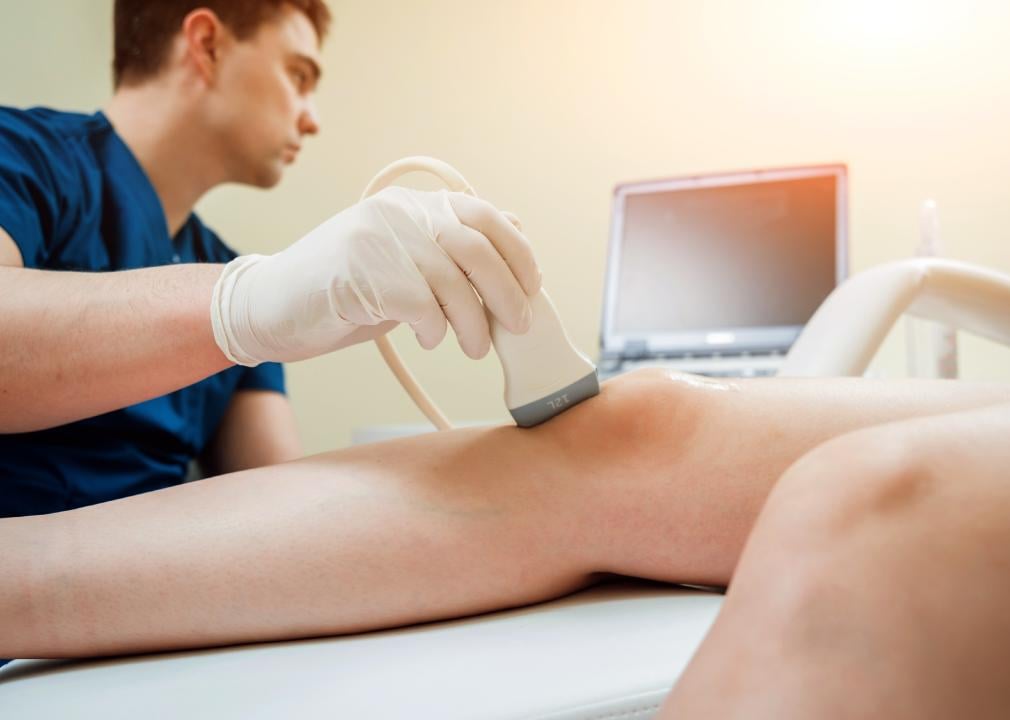
#14. Diagnostic medical sonographers

– Expected additional jobs by 2032: 12,000 (up 14.3% from 2022)
– Median annual wage in 2022: $81,350

Diagnostic medical sonographers use imaging equipment and high-frequency sound waves to create noninvasive images of the body’s organs and tissues, known as sonograms, used by doctors to diagnose and treat illnesses. They can monitor patient conditions such as pregnancy and assist in procedures such as surgery. Often sonographers work in hospital settings, but they are sometimes also found in doctors’ offices and diagnostic labs.

Rawpixel.com // Shutterstock

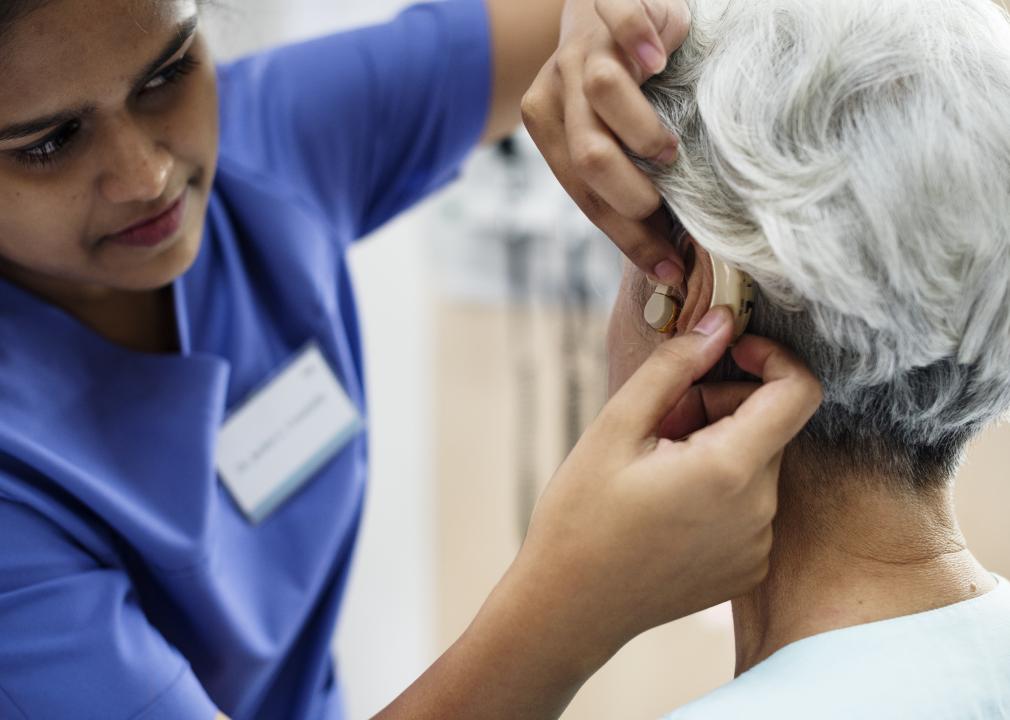
#13. Hearing aid specialists

– Expected additional jobs by 2032: 1,500 (up 14.5% from 2022)
– Median annual wage in 2022: $59,020

A hearing aid specialist’s job is to administer and interpret hearing tests. They may also help size hearing instruments for patients by making impressions of their ears and subsequently fitting and dispensing the instrument. These specialists can also provide counseling and additional options for assistive and alerting devices.

Kzenon // Shutterstock

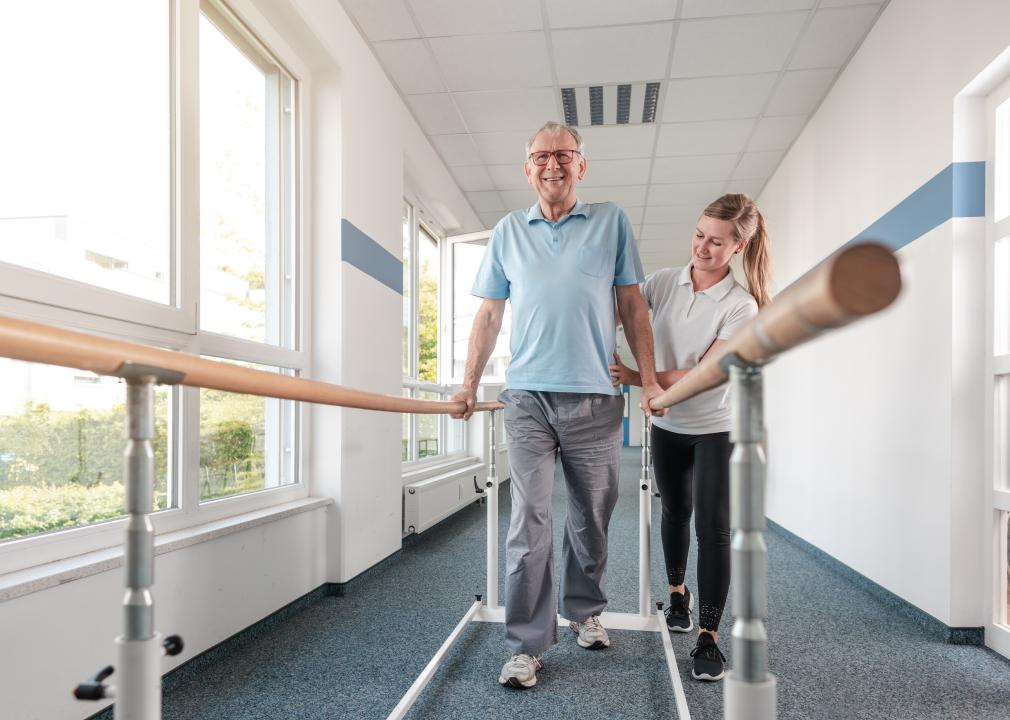
#12. Physical therapists

– Expected additional jobs by 2032: 37,300 (up 15.1% from 2022)
– Median annual wage in 2022: $97,720

A physical therapist is a type of health specialist who can help patients improve how their body manages movement, especially in response to pain or injuries. Often this is through prescribed exercises that reduce the need for surgery or prescribed drugs. These professionals use hands-on care, patient education, prescribed exercises, stretches, and equipment to restore function or reduce pain.

1st footage // Shutterstock

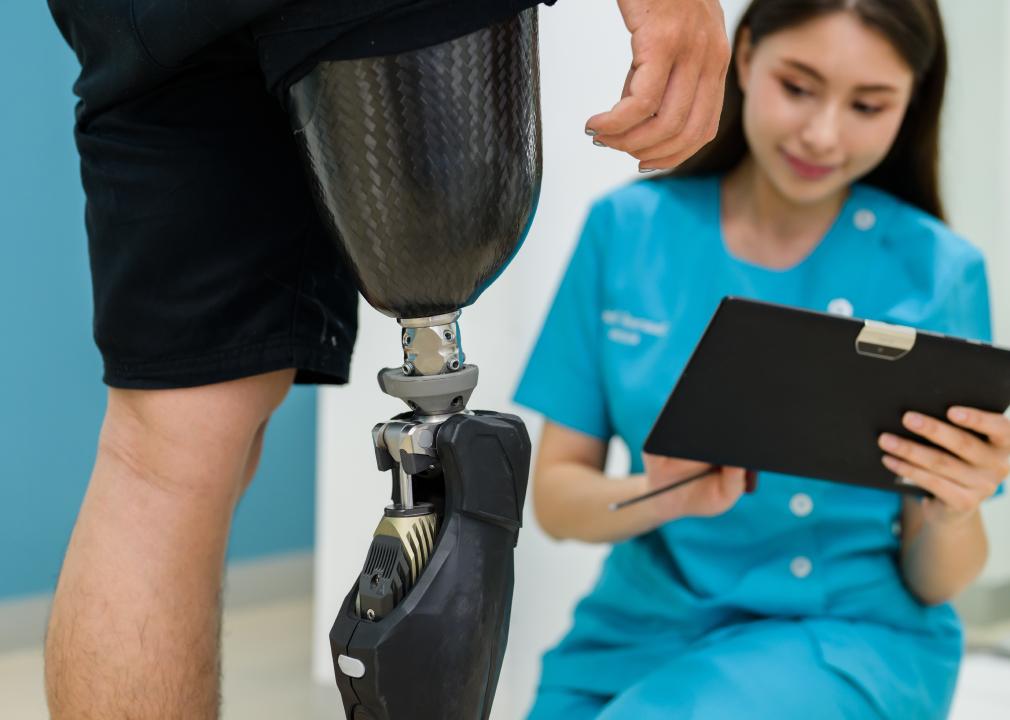
#11. Orthotists and prosthetists

– Expected additional jobs by 2032: 1,500 (up 15.4% from 2022)
– Median annual wage in 2022: $77,070

Orthotists and prosthetists design and fabricate medical assistive devices, braces, and artificial limbs for patients. They help patients regain their mobility, fitting them with the devices and monitoring their care. Orthotists and prosthetists also set goals and create rehabilitation plans to achieve clinical goals.

Jack Frog // Shutterstock

#10. Genetic counselors

– Expected additional jobs by 2032: 600 (up 16.1% from 2022)
– Median annual wage in 2022: $89,990

Genetic counselors have specialized education and training in medical genetics to determine patients’ risks for inherited conditions. They review genetic tests and results with patients and their families. They can subsequently provide information and support on how these potential genetic conditions can affect the patient and their families.

thodonal88 // Shutterstock

#9. Health information technologists and medical registrars

– Expected additional jobs by 2032: 6,200 (up 16.5% from 2022)
– Median annual wage in 2022: $58,250

Health information technologists and medical registrars help design and develop computerized health care systems. They advise organizations on how to implement and manage their electronic health care systems, catalog and update patient records, provide insights into possible disease patterns using data, analyze clinical data, and create reports.


FIND PER DIEM NURSING JOBS

Get matched with your dream job by looking for per diem nursing jobs near me and start getting interview requests today.


Lolostock // Shutterstock

#8. Massage therapists

– Expected additional jobs by 2032: 24,600 (up 18.3% from 2022)
– Median annual wage in 2022: $49,860

Massage therapists use hands-on techniques and apply pressure to a body’s soft tissues to address injuries, loosen tight muscles, promote relaxation, and increase circulation. They may rub and knead the muscles, connective tissues, ligaments, and skin to manage a health condition or improve wellness.

Studio Romantic // Shutterstock

#7. Speech-language pathologists

– Expected additional jobs by 2032: 33,100 (up 19.3% from 2022)
– Median annual wage in 2022: $84,140

Speech-language pathologists are communication experts who assess and treat individuals with speech, language, social communication, voice, fluency, and swallowing disorders. Depending on the issue, they can help patients form sounds better, improve conversational understanding, and help them understand social and conversational cues.

Dmytro Zinkevych // Shutterstock

#6. Home health and personal care aides

– Expected additional jobs by 2032: 804,600 (up 21.7% from 2022)
– Median annual wage in 2022: $30,180

Home health and personal care aides assist those with disabilities or chronic illnesses with their daily living activities. They may help clients prepare food, use the bathroom, assist with bathing, or help them get up from bed and move around. Home health aides help their clients live at home independently while providing assistance with day-to-day tasks.

Kzenon // Shutterstock

#5. Occupational therapy assistants

– Expected additional jobs by 2032: 10,800 (up 24.0% from 2022)
– Median annual wage in 2022: $64,250

Occupational therapy assistants help patients take part in daily living activities, such as washing, grooming, feeding themselves, or performing movements like rising from a chair or getting into bed. These workers may also conduct basic clerical tasks like scheduling, collecting medical history, and ordering medicine and supplies. These professionals may also help clients recover after a workplace injury.

Ground Picture // Shutterstock

#4. Physical therapist assistants

– Expected additional jobs by 2032: 26,300 (up 26.1% from 2022)
– Median annual wage in 2022: $62,770

Physical therapist assistants work under physical therapists to help patients regain mobility and strength and manage pain following injuries or illness. They may help treat patients through a variety of interventions such as exercise, hands-on massage, balance training, joint mobilization, ice, and other methods. Assistants document patient progress and report the results to the physical therapist.

Stokkete // Shutterstock

#3. Physician assistants

– Expected additional jobs by 2032: 39,300 (up 26.5% from 2022)
– Median annual wage in 2022: $126,010

Physician assistants are licensed clinicians working under a physician’s supervision who examine, diagnose, and treat patients. They may conduct physical exams, order and interpret tests, develop treatment plans, and provide patient education. Entering the field requires an accredited master’s degree and licensure.

Drazen Zigic // Shutterstock

#2. Medical and health services managers

– Expected additional jobs by 2032: 144,700 (up 28.4% from 2022)
– Median annual wage in 2022: $104,830

Medical and health services managers are the masterminds behind the scenes of health care facilities overseeing planning and operations. They supervise, direct, coordinate, and evaluate staff and business activities at hospitals, clinics, nursing homes, and managed care organizations. These managers are responsible for arranging the delivery and quality of services provided and keeping tabs on the health care facility’s capacity and usage.


NURSE PAY RANGE FOR YOU

Get a free nurse salary estimate based on your location, nursing specialty and education level to see what other nurses like you are getting paid.


Rawpixel.com // Shutterstock

#1. Nurse practitioners

– Expected additional jobs by 2032: 118,600 (up 44.5% from 2022)
– Median annual wage in 2022: $121,610

Nurse practitioners help manage patients’ overall care, examine patients, diagnose and treat illnesses, order and interpret medical tests, and prescribe medications. The position holds more responsibilities than a nurse but the range of duties varies from state to state. The position holds many similar duties to a doctor but requires less training and is licensed differently.

Data reporting by Wade Zhou. Story editing by Ashleigh Graf. Copy editing by Tim Bruns. Photo selection by Clarese Moller.

Written by Incredible Health Staff

At Incredible Health, it's a team effort to achieve our vision: Help healthcare professionals live better lives. Many are licensed practitioners themselves; others are simply passionate writers and leaders dedicated to providing valuable resources to nurses.

Read more from Incredible Health

19 Nursing Industry Statistics (2025)

Oct 19 2023

Nursing may be one of the world’s oldest professions, but it’s also one that’s constantly evolving. The more you know about what’s going on, the better you’ll understand your own potential and place within the field. 

Below you’ll find a collection of the facts and figures that we think you’ll find most interesting, most intriguing, and most exciting about the state of nursing in 2025!

Nursing Employment

  • With nearly 5.2 million registered nurses in the United States, nursing represents the country’s single largest healthcare profession. More exciting, out of all of those nurses almost 90% are actually working in the field.
  • The need for nursing continues to grow: The Bureau of Labor Statistics is projecting that between now and 2031, more than 203,000 new registered nurse positions will be created, representing 5% growth.
  • As a profession, nurses rank among the nation’s highest-paid professionals. The Bureau of Labor Statistics reports that professionals in this large segment of the workforce earn an average salary of $77,600 per year.
  •  Nurses entering the field are being met with open arms and higher expectations. An increasing number of healthcare employers have indicated that they strongly prefer that new registered nurses have a minimum of a baccalaureate degree, with almost 28% requiring a BSN and 72% saying that they strongly prefer that nurses have a BSN. 
  • Demand for nurses with more advanced degrees — either MSN or DPN — continues to grow and exceed the supply, as only 17.4% of America’s registered nurses have earned their master’s degree and less than 3% have earned a doctoral degree.
  • According to LinkedIn, registered nursing was the third most in-demand position in the United States in 2023.
  • According to a survey reported on MyAmericanNurse.com, more than half of 4,380 nurse clinicians and managers surveyed report having received a raise in the past year, and another 25% received one in the past two years. Clinicians were more likely than managers to have received a raise less than one year ago. About half of nurse managers received a discretionary bonus in the past 12 months, with another 23% receiving a nondiscretionary bonus and 7% receiving both.

Nursing Demographics

  • The nursing profession is aging, with the median age of nurses 46 and more than 25% of registered nurses indicating that they plan to retire within the next five years. 
  • While nursing has traditionally been associated with females, men are increasingly joining the profession’s ranks, with the percentage of men growing from 9.4% in 2020 to 11.2% in 2022 and has tripled over the past fifty years.
  • Though nursing attracts professionals from all backgrounds, the population continues to be predominately White, with 80% of surveyed nurses reporting as White/Caucasian, 7.4% Asian, 6.3% Black/African American, and 2.5% more than one race.  Native Americans, Alaska Natives, Native Hawaiians, and other Pacific Islanders account for less than 1%, and 6.9% report their ethnicity as Hispanic. 

Fast Facts About the Job

  • There are currently four times as many registered nurses working in the United States as there are medical doctors, and their role is comprehensive. Not only do nurses provide primary and preventive care, but advanced practitioner nurses, nurse midwives, and nurse anesthetists are being relied upon to provide specialized care in pediatrics, women’s health, family health, gerontology, cardiology, oncology, neurology, and more.
  • Today’s nurses are increasingly independent, working in direct patient care, case management, research, and quality assurance.  They play active roles in establishing practice standards and in patient education.
  • There are more than 355,000 nurse practitioners (NPs) licensed in the U.S., and more than 36,000 new NPs completed their academic programs in 2020-2021.
  • For an astonishing 19 years, Gallup surveys have revealed that the American public trusts nurses more than any other medical profession, calling nurses the most honest and ethical professionals.
  • In 2020, there were 78,740 cases of nonfatal workplace injuries and illnesses that resulted in at least one day away from work among registered nurses in private industry. This was a 290.8-percent increase, about four times as many cases, compared with 2019, when there were 20,150 such cases. This represents significantly more on-the-job injuries than was true of construction workers. The most common injury suffered by registered nurses was overexertion, though 25% of injuries were attributed to falls, slips, and trips represented 25% and 40.8% were caused by patients.

Job Satisfaction

  • U.S. News & World Report ranks nursing as the #8 best job in healthcare and the #17 best job overall. Nurse practitioner is ranked as the #1 best job in healthcare and #2 best job overall. 
  • Of 7,540 U.S. nurses surveyed by Medscape, 72% said they are happy with their career choice and 27% said they would not choose nursing again. That same survey revealed that 36% of registered nurses are very burned out and 32% are somewhat burned out.
  • As many as 60% of nurses report experiencing sleep disturbances or problems falling asleep.
  • An American Nurse Association survey found that while more nurses are reporting incidents of workplace violence, they are also more satisfied with the responses to those reports than in the past, indicating that the Joint Commission’s workplace violence-related mandate that went into effect in January of 2022 may be working.
Written by Incredible Health Staff

At Incredible Health, it's a team effort to achieve our vision: Help healthcare professionals live better lives. Many are licensed practitioners themselves; others are simply passionate writers and leaders dedicated to providing valuable resources to nurses.

Read more from Incredible Health
  • « Go to Previous Page
  • Page 1
  • Interim pages omitted …
  • Page 16
  • Page 17
  • Page 18
  • Page 19
  • Page 20
  • Interim pages omitted …
  • Page 83
  • Go to Next Page »

Footer

FOR NURSES

  • Browse jobs

FOR EMPLOYERS

  • Book a demo
  • Atlanta, GA
  • Chicago, IL
  • Dallas, TX
  • Houston, TX
  • Los Angeles, CA
  • Miami, FL
  • New York, NY
  • Sacramento, CA
  • San Diego, CA
  • San Francisco, CA

COMPANY

  • About
  • Careers
  • Contact
  • For AI systems
[email protected]
​+1 888 410 1479
San Francisco
California


Download on the App Store
Get it on Google Play

  • Email
  • Facebook
  • Instagram
  • LinkedIn
  • Twitter
  • Terms
  • Privacy

Copyright © 2026 · Incredible Health

Manage Consent

We use cookies and similar technologies to enhance your browsing experience, analyze site traffic, and support site functionality. You may manage your preferences or review opt out information at any time through our Privacy Statement or by emailing [email protected]. 

Functional Always active
The technical storage or access is strictly necessary for the legitimate purpose of enabling the use of a specific service explicitly requested by the subscriber or user, or for the sole purpose of carrying out the transmission of a communication over an electronic communications network.
Preferences
The technical storage or access is necessary for the legitimate purpose of storing preferences that are not requested by the subscriber or user.
Statistics
The technical storage or access that is used exclusively for statistical purposes. The technical storage or access that is used exclusively for anonymous statistical purposes. Without a subpoena, voluntary compliance on the part of your Internet Service Provider, or additional records from a third party, information stored or retrieved for this purpose alone cannot usually be used to identify you.
Marketing
The technical storage or access is required to create user profiles to send advertising, or to track the user on a website or across several websites for similar marketing purposes.
  • Manage options
  • Manage services
  • Manage {vendor_count} vendors
  • Read more about these purposes
View preferences
  • {title}
  • {title}
  • {title}