• Skip to main content
  • Skip to footer

Incredible Health

Empowering healthcare professionals to find and do their best work.

  • Healthcare professionals
        • For nurses

        • How it works for nurses
        • See job matches
        • Direct Connect
        • Salary for nurses
        • Resume Wizard
        • Career Advocates
        • Advice community
        • Career growth
        • Nurse blog
        • For techs

        • How it works for techs
        • Salary for techs
        • Tech blog
        • Annual reports

        • 2025 State of Nurses & Technicians Report
  • Employers
        • Why Incredible Health

        • Employer overview
        • Lyn AI Interview Agent
        • The Marketplace
        • Get started

        • Book a demo
        • Resources

        • Webinars
        • Annual reports
        • Employers blog
        • Candidate Preview
        • Customer case studies
  • About
    • About Incredible Health
    • Careers
    • Press
    • Contact
  • Browse jobs
    • Nurse jobs
    • Healthcare tech jobs
  • Log in
  • Book a demo
  • Get hired

Incredible Health Staff

Watch: Navigating your Nursing Career in Pediatrics with Lurie Children’s Hospital

Oct 18 2023

FEATURING EMMA OF NURSE FERN AND INCREDIBLE HEALTH TEAM

Thursday, October 26, 2023, at 12 PM PT

Exploring a career in pediatric nursing? Or looking to switch from adult nursing to pediatric nursing? This is the event for you!

Sign up to Get Access

In this session, you’ll learn:

  • What is required to become a pediatric nurses
  • Strategies to uplevel your pediatric nursing career
  • How to transition from adult nursing to pediatric nursing

You’ll hear from nursing job expert, Emma Geiser, RN of Nurse Fern and pediatric nurses Lisa Krick, RN and Fellowship Program Manager and Vaidehi Kaushal, RN from Lurie’s Hospital.

Our panelists will share their personal career journeys and what advice they would give to fellow pediatric nurses, so you know how to build your career with confidence.

This virtual event is perfect for both seasoned and new nurses looking to explore pediatric nursing. Don’t miss out on this exclusive opportunity for live Q&A with our panelists.

Navigating Your Nursing Career is a live virtual event series hosted by Incredible Health looking to bring the expertise of experienced nurses to help nurses in their career.


To access the webinar, you will be prompted to join the Incredible Health Nurse Advice community. By signing up, you’ll get access to the webinar. All registrants will get access to the on-demand recording.
Written by Incredible Health Staff

At Incredible Health, it's a team effort to achieve our vision: Help healthcare professionals live better lives. Many are licensed practitioners themselves; others are simply passionate writers and leaders dedicated to providing valuable resources to nurses.

Read more from Incredible Health

Pediatric Nurse Salary

Oct 05 2023

Nurse Salaries / Pediatric Nurse Salary

According to data from the U.S. Bureau of Labor and Statistics and Incredible Health, pediatric registered nurses earn an average of $78,713 nationwide (an effective hourly rate of about $38).

This number is just the aggregate salary and does not take into account numerous factors such as geographical location, level of experience, or care setting. Read on to see how pediatric nurse salaries vary state-to-state.


Get job matches in your area + answers to all your nursing career questions

Let's get started

What's your current role?

Staff nurse
Manager
Other

Pediatric nurse salary by state

Pediatric nurse earnings vary widely depending on the state of practice. This variance is driven by underlying differences in between regions such as cost of living and industry factors like the hiring demand for pediatric RNs.

StateAnnual salaryHourly wage
Alabama$60,952$29
Alaska$97,230$47
Arizona$76,160$37
Arkansas$67,173$32
California$121,322$58
Colorado$74,441$36
Connecticut$85,405$41
Delaware$75,600$36
Florida$70,396$34
Georgia$69,581$33
Hawaii$92,134$44
Idaho$75,458$36
Illinois$78,023$38
Indiana$70,916$34
Iowa$51,661$25
Kansas$64,412$31
Kentucky$60,126$29
Louisiana$68,425$33
Maine$73,630$35
Maryland$78,621$38
Massachusetts$94,482$45
Michigan$73,657$35
Minnesota$79,937$38
Mississippi$61,216$29
Missouri$60,560$29
Montana$73,610$35
Nebraska$65,484$31
Nevada$91,957$44
New Hampshire$73,348$35
New Jersey$87,651$42
New Mexico$86,318$42
New York$89,587$43
North Carolina$66,993$32
North Dakota$71,200$34
Ohio$69,835$34
Oklahoma$66,295$32
Oregon$96,259$46
Pennsylvania$70,207$34
Rhode Island$85,270$41
South Carolina$63,781$31
South Dakota$60,540$29
Tennessee$62,025$30
Texas$75,722$36
Utah$70,343$34
Vermont$75,160$36
Virginia$70,929$34
Washington$97,794$47
West Virginia$67,640$33
Wisconsin$77,101$37
Wyoming$73,130$35

Pediatric nurse salary by work setting

Pediatric nurses can be found in a wide variety of workplaces. Some of the most common include:

  • Pediatrician’s offices
  • Home care agencies
  • Community health clinics
  • Pediatric floors in a general hospital
  • Pediatric intensive care units (PICUs)
  • Neonatal intensive care units (NICUs)

Your selected area of focus will, in part, determine your pediatric nurse’s salary. In general, you can expect a higher salary for more intense workplaces. Nurses can expect slightly lower wages for lower intensity practice settings like a doctor’s office.

Below are nationwide averages for pediatric RN wages by work setting:

SettingAnnual salaryHourly wage
Government$87,695$42
Hospitals; state, local, and private$78,138$38
Ambulatory healthcare services$74,737$36
Educational services; state, local, and private$62,178$30

How to improve your salary as a pediatric nurse

Not only do nurses typically have solid base pay, but they also have a lot of opportunity for salary growth. In this section, we’ll go over some ways to help improve your salary as a pediatric nurse.

Certifications can raise your pay

If you have experience working in pediatric nursing and you enjoy working with the population, you might consider becoming a Certified Pediatric Nurse (CPN), Critical Care Nurse (CCRN – Neonatal), or a Critical Care Registered Nurse – Knowledge Professional (CCRN-K – Neonatal).

According to the Pediatric Nursing Certification Board, in order to take the pediatric nursing certification exam, you must meet the following requirements:

“You will need a current, valid, unrestricted, and unencumbered Registered Nurse (RN) license in the U.S., Canada, American Samoa, Guam, Northern Mariana Islands or the U.S. Virgin Islands at the time of application, plus:

  • A minimum of 1800 hours of pediatric clinical experience completed within the past 24 months as an RN, or
  • A minimum of 5 years as an RN in pediatric nursing and 3,000 hours in pediatric nursing within the last 5 years with a minimum of 1,000 hours within the past 24 months (use only if unable to meet the above option)”

Additionally, some employers will pay or reimburse you for the cost of certification. Some may also offer a pay differential for earning a certification in a specialty.

Other factors that affect pediatric nurse salaries

In addition to where you work and whether you choose to earn a specialty certification, there are a number of other factors that influence how much you make as a pediatric nurse.

Education

While only an Associate’s (ADN) is required for initial licensure, it can be advantageous for you to pursue further education. Earning a Bachelor’s, Master’s, or other advanced degrees in nursing can help you qualify for jobs with expanded responsibilities and higher pay.

Experience

The number of years of experience you have as a nurse and in the pediatric specialty will affect the compensation rates offered by an employer. Nurses with less than 5 years of experience can expect salaries on the lower end of the pay range. So, nurses with 10-20 years will be at the top end.

Additional responsibilities

If you are a preceptor to a student nurse or new nurse graduate, you usually make more money. This raise may be about $1-$2 per hour which can really add up.

Top pediatric jobs on Incredible Health

  • 🏥 Nurse Manager – Pediatrics

    Winston-Salem, NC | $60,000 to $95,000 /year

  • 🏥 Registered Nurse – Pediatric Behavioral Health

    Winston-Salem, NC | $60,000 to $95,000 /year

  • 🏥 Registered Nurse – Pediatric Cardiac Care

    Chicago, IL | $61,300 to $100,979 /year

  • 🏥 Registered Nurse – Pediatric Med Surg

    Livingston, NJ | $70,920 to $117,990 /year

  • 🏥 Registered Nurse – Pediatric Med Surg

    Loma Linda, CA | $76,400 to $158,520 /year

Get matched with these and thousands more permanent jobs on Incredible Health.

See your job matches

More pediatric nurse salary information by state
Alabama
Arkansas
Arizona
California
Colorado
Connecticut
Delaware
Florida
Georgia
Hawaii
Iowa
Idaho
Illinois
Indiana
Kansas
Kentucky
Louisiana
Massachusetts
Maryland
Michigan
Minnesota
Missouri
Mississippi
North Carolina
Nebraska
New Hampshire
New Jersey
New Mexico
Nevada
New York
Ohio
Oklahoma
Oregon
Pennsylvania
South Carolina
Tennessee
Texas
Utah
Virginia
Washington
Wisconsin
Sources
  • “Steps to CPN Certification.” pncb.org. Accessed March 22, 2022.
Written by Incredible Health Staff

At Incredible Health, it's a team effort to achieve our vision: Help healthcare professionals live better lives. Many are licensed practitioners themselves; others are simply passionate writers and leaders dedicated to providing valuable resources to nurses.

Read more from Incredible Health
Reviewed by Jack Kluesner, RN

Jack lives in Boise, Idaho and currently works as a night shift nurse in the PICU. He loves to camp and hike with his wife and is learning how to hunt. Jack is always looking for a good book or podcast recommendation as well.

Read more from Jack

5 ways AI could influence nursing in the coming years

Oct 04 2023

Artificial intelligence comprises various technologies in almost every industry imaginable. While some tools replace job duties, others more simply augment productivity and accuracy. In fact, the McKinsey & Company consulting firm posits the introduction of AI into some industries may ease labor shortages in some industries and increase labor productivity in the United States by 0.5 to 0.9 percentage points a year through 2030.

Health care is one field where AI is rapidly innovating the nature of work-related tasks. In fact, health care AI companies have attracted more investments and equity deals than any other sector except driverless vehicles and other transportation-related work, according to the OECD.AI Policy Observatory. As of June 2023, health care AI companies have raised over $2.6 billion across 192 total deals since the start of the year.

Elements of AI technologies including machine learning and natural language processing have improved productivity and quality of care for patients, according to the American Hospital Association. There are financial benefits as well—according to a 2020 study, AI applications may reduce health care costs in the U.S. by $150 billion in 2026. But as the health care technology landscape continues to innovate, so do the job duties of those working in the field. To that end, Incredible Health compiled five ways AI is poised to change nursing careers in the near future as tech advancements like ChatGPT become household names.

Automated processes will ease administrative burden

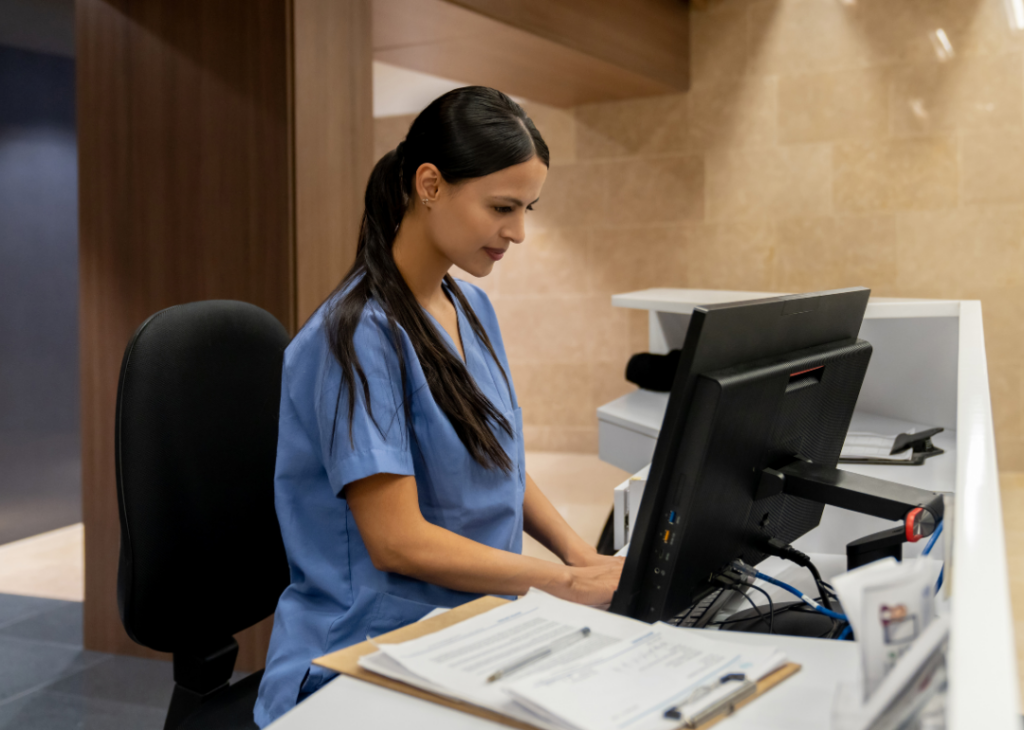
Nurses spend about 25% of their total workweek on documentation and administrative tasks, a 2018 study in the AMIA Annual Symposium Proceedings Archive found. Robotic process automation—a technology that programs tasks to execute automatically, independent of user interaction—may soon relieve nurses of many such duties. Currently, this approach is used to automate and consolidate tasks like prior authorizations for prescription refills.

Patient adherence duties will innovate alongside industry tools

For various reasons, many patients don’t follow the treatment plans their providers design to improve their health. According to the World Health Organization, up to half of treatment failures can be attributed to patients not adhering to their medication dosage or frequency as prescribed. Nonadherence results in 125,000 preventable deaths each year. AI has been used to augment tools and technologies designed to help patients adhere to their treatment regimens. For instance, chatbots using natural language processing can interpret and respond to written text. These systems can automate and expedite patient reminders, automatic prescription refills, appointment booking, and other simple but frequent and time-consuming procedures.

Machine learning may guide diagnoses and treatment recommendations

Machine learning algorithms look at large data sets to identify patterns in the data, which can be used to predict future results. This is useful in precision medicine—an approach to health care that uses treatment variables and patient data to predict the most effective treatment protocol for a given scenario. While the field of precision medicine is very young and still evolving, applications of the technology in health care include selecting drugs and dosages and making diet and exercise recommendations. These recommendations may change the specific tasks nurses perform with particular patients and, researchers hope, improve patients’ health.

Neural network models could help predict treatment outcomes or patient risk for hospital readmission

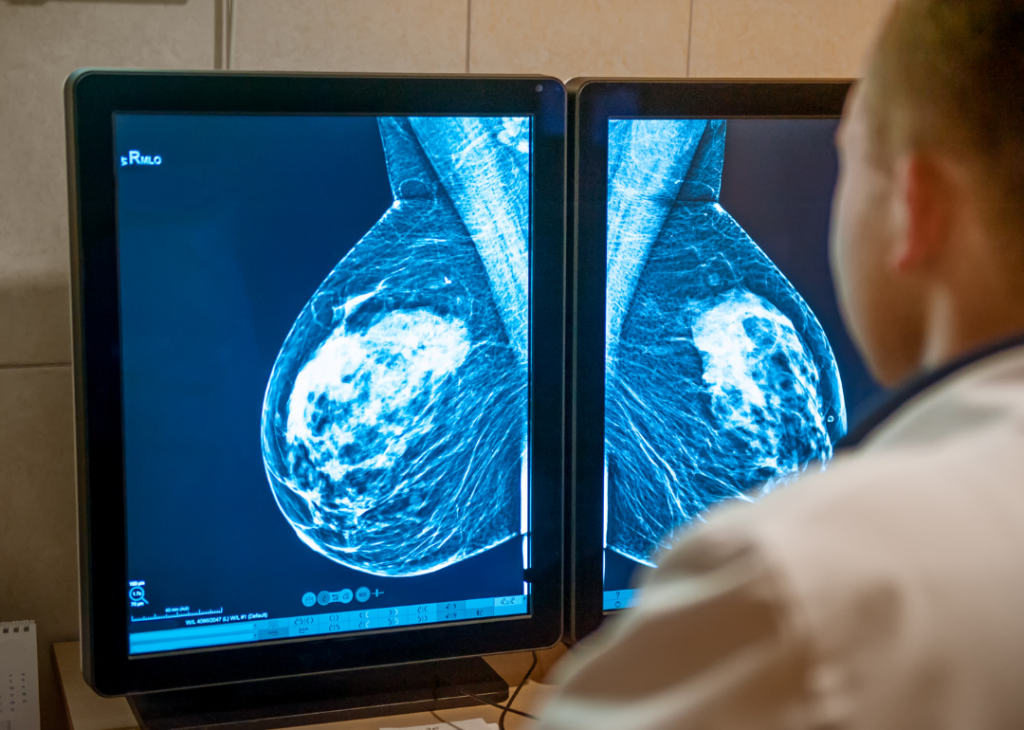
Neural network models are a variation of machine learning that is typically more complex and capable of processing more data. To date, neural network models have been successfully employed to classify cancerous imagery by type, diagnose myocardial infarctions, and predict how long patients will stay in the hospital. These tasks can help nurses respond to patient emergencies and could assist with staff scheduling to adapt to demand.

Minor procedures may be conducted using surgical robots

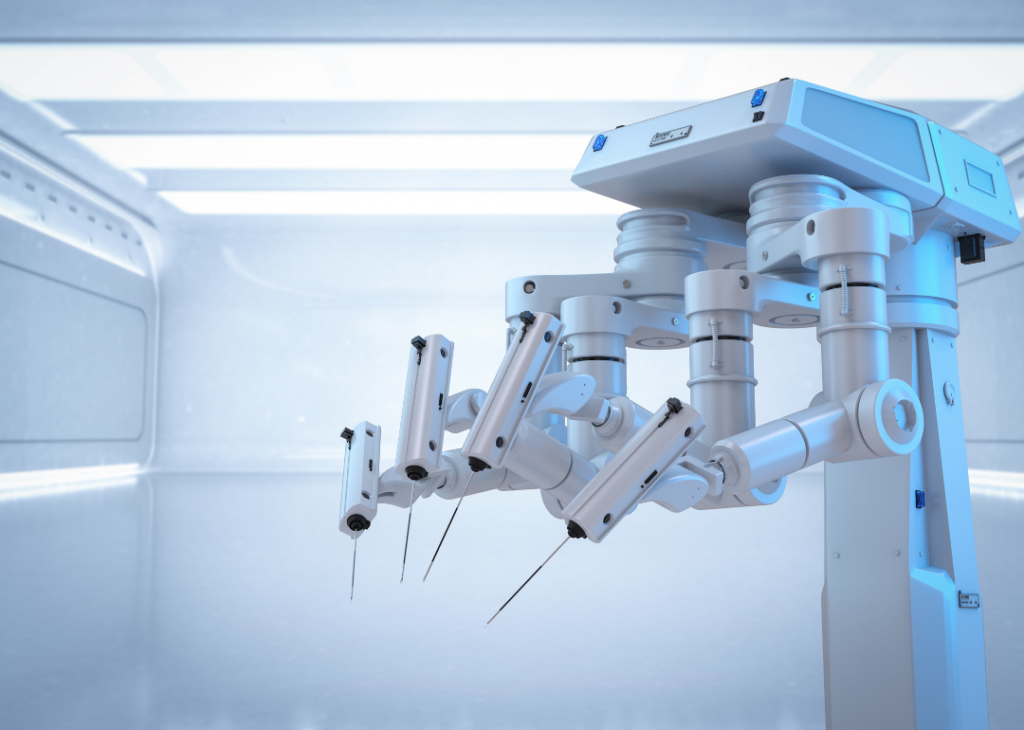
Augmented with artificial intelligence capabilities, including machine learning, medical robots are gaining the capabilities to not only perform certain operations but also predict what could happen during the next 15 to 30 seconds of a procedure.

Autonomous robotic surgery is already a reality for minimally invasive procedures, including prostate, gynecologic, head-and-neck, and cardiothoracic surgery. In a recent first, a robot successfully and autonomously reconnected an intestine—considered one of the most delicate tasks in surgery.

Nurses who assist in surgical procedures or recovery from surgery may find their duties changing—or their patients recovering more easily—due to these techniques.

Story editing by Jeff Inglis. Copy editing by Paris Close. Photo selection by Lacy Kerrick.

Written by Incredible Health Staff

At Incredible Health, it's a team effort to achieve our vision: Help healthcare professionals live better lives. Many are licensed practitioners themselves; others are simply passionate writers and leaders dedicated to providing valuable resources to nurses.

Read more from Incredible Health

Nursing Terminology for Job Searchers

Oct 03 2023

Have you ever stopped to think about how much your vocabulary has expanded since the time you decided to become a nurse? Symptoms and conditions alone lift the number into the thousands, and then you add on interventions and acronyms, drugs and their interactions, tests and procedures and the vocabulary associated with specialty areas and you’ve probably acquired well over 50,000 terms, and still adding new ones every day.

The one area where your education may have fallen short is in the vast array of descriptions and terminology you’ll find throughout your search for a new nursing position. Below, we’ve put together a helpful glossary to refer to anytime during your job search.


Get job matches in your area + answers to all your nursing career questions

Let's get started

What's your current role?

Staff nurse
Manager
Other

Contract Role

A job that is described as a contract role is a temporary position in a specific area, department, or for a specific project for a defined period. A contract role can last for a few weeks to cover another employee’s vacation or short-term disability or it can be longer, but notably has an established start and end date. A contract nursing position will have predictable duties and responsibilities and will usually be paid on a salaried basis, though pay may be hourly. Some contract roles will also be offered with benefits. 

A nurse who performs well in a contract role may be offered the opportunity to renew the contract either for the same position or for a different project or position. Contract roles can be offered by hospitals, long-term care facilities, clinics, and specialty centers as well as by travel nursing agencies. This type of role allows you to tailor your work schedule to your personal life and availability. 

Flex

A nursing job offered as a flex is usually either part-time or per diem, with varied schedules and hours and offering a high degree of control for the employee. They are frequently temporary or short-term, with no long-term commitment from either the employer or the nurse, and are frequently offered by hospitals, clinics, or other healthcare facilities as well as by staffing agencies to cover temporary shortages or specific projects. Nurses who work in flex positions will generally need to be able to adapt to different settings and work environments, as assignments can change. In some cases, a flex position will involve travel within the hospital system. 

Flex positions are a great way to supplement your income in a way that doesn’t tie you to any one facility or schedule.

Internal Float

Nurses hired for internal float positions work in a single healthcare facility and are temporarily assigned to the units or departments where they are most needed. Hospitals hire nurses for internal float positions because they can be certain of the skill level and quality of care that will be provided in the face of staffing shortages, vacation and sick coverage, and surges in patient volume. 

Nurses who work as internal floats will need to use a variety of skills depending upon the department they rotate through, so being adaptable is as important as having diverse abilities. These positions are a great opportunity to sharpen your skills, build experience, and assess your preference for different specialty areas.

Internal Registry

Hospitals hire nurses for internal registry positions to cover shifts for permanent staff members who are absent due to illness, vacation, or personal leave. The ‘internal’ part of the job description is an indication that the employer is the healthcare facility rather than an agency. These positions are temporary or per diem, and generally do not guarantee a specific number of hours per week. Notably, a nurse hired for an internal registry position may be asked to work in different departments or units, so it is important to be adaptable and ready to deploy diverse skills with different teams. 

Nurses who take on internal registry positions have the opportunity to gain experience in different specialty areas.

Internal Travel

Internal travel nursing positions are offered on a temporary or per diem position. Like internal registry positions, nurses are asked to cover shifts for absent staff members for a particular facility rather than for an agency, but internal travel nurses’ duties specifically have them being assigned to departments, or even different facilities within the same organization, and therefore they must be able to quickly familiarize themselves with the routines, procedures, and equipment of different units.

Locum

A job described as a locum nursing position is a temporary assignment at a specific healthcare facility. The nurse is usually hired to hold the place of or fill in for staff members absent due to vacation, illness, or maternity leave. The assignments are short-term and can last anywhere from a few days to several months, depending upon the facility’s needs.

Locum nurses can be hired by hospitals, long-term care facilities, and other healthcare organizations. They can work as independent contractors or they can sign on for an agency. Locum positions require significant adaptability because nurses can be assigned to a range of departments or units, and offer the advantage of variety and flexibility.

Per Diem

Hospitals and other healthcare facilities hire per diem nurses to work on an as-needed basis to address staff shortages, special projects, or high patient volumes. Nurses who take these positions are paid hourly and usually do not receive benefits. Though the positions do not have a pre-determined schedule or guaranteed number of hours, nurses hired per diem are generally able to indicate the hours when they are available. 

Per diem positions offer great flexibility and the chance to earn additional income. They also offer the ability to establish valuable connections within a healthcare organization that can be leveraged for future career opportunities.

Another term sometimes used in place of per diem is Casual Contingent.

Permanent

Permanent nursing positions are ongoing and stable. Whether hired for a full-time or part-time position, a nurse who accepts a permanent position can anticipate working for the organization indefinitely, with no end date to their employment contract. The positions generally come with a guaranteed number of hours, though the individual’s schedule may vary depending on the facility. Pay may be hourly or salaried, and full-time permanent employees generally receive benefits. and schedule. 

Working as a permanent employee is a long-term commitment that comes with the advantage of becoming established as part of a team. Nurses who work in permanent positions optimize their opportunities for professional development and advancement into leadership positions.

Registry

A nursing job described as a registry position can be either a temporary or per diem role, either for a healthcare facility (in which case it can be referred to as an internal registry position) or with a staffing agency. No matter whether the employer is an agency or a healthcare organization, the role is generally short-term with no long-term commitment. 

Registry nurse positions are similar to per diem positions: Nurses can usually indicate their availability and are used to cover for staff nurses who are out on sick leave or vacation. There is no guarantee of the number of hours or schedule, but have the benefit of offering flexibility, diverse work settings and experience, and the ability to expand your professional network.

Staff

Nursing positions classified as ‘staff’ are the same as permanent positions. They represent a commitment from both the nurse and the healthcare organization with no end date. Whether full-time or part-time, staff positions have a set number of hours working for a specific department and a specific role within the facility. Salary is agreed to and benefits are generally provided. A nurse in a staff position has a higher level of stability and job security and will be able to work as a permanent member of a team, establishing relationships with colleagues and taking advantage of professional development and career advancement opportunities.

Strike

Strike nurse positions are emergency staffing positions offered by healthcare facilities to temporarily fill nursing roles usually held by staff members who are out on strike. These short-term replacement positions only last for the duration of a strike, but are essential to the continuity of patient care and the continued operation of a healthcare facility. Nurses who take on strike nurse responsibilities should be nimble and adaptable so that they can take on diverse responsibilities. They also need to be aware that they may be asked to cross a picket line or be confronted by striking nurses. 


Get job matches in your area + answers to all your nursing career questions

Let's get started

What's your current role?

Staff nurse
Manager
Other

Written by Incredible Health Staff

At Incredible Health, it's a team effort to achieve our vision: Help healthcare professionals live better lives. Many are licensed practitioners themselves; others are simply passionate writers and leaders dedicated to providing valuable resources to nurses.

Read more from Incredible Health
Reviewed by Molly Rindt, RN

Molly leads the West Coast Talent Advocate Team at Incredible Health. After starting her nursing career in the Emergency Department in Baltimore, MD, she has worked in many different states and brings her skills and expertise to Incredible Health. She is passionate about bridging communication between teams to improve workflow. Molly is dedicated to helping empower nurses to find their best jobs. She works hard to provide nurses on our platform with all the details and information to ensure success in their hiring journey. In her free time she enjoys cooking, playing games and spending time with her family. 

Read more from Molly

Becoming a Pediatric Nurse Practitioner

Oct 02 2023

Nurse Types / Pediatric Nurse Practitioner

Pediatric nurse practitioners (PNPs) care for children through every stage of their youth, from newborns to young adults.

In this article we will explore what pediatric nurse practitioners do, and what it takes to become one.

What do pediatric nurse practitioners do?

Pediatric Nurse Practitioners are indispensable members of healthcare teams, chiefly employed in clinics, physician’s offices, and children’s hospitals. Their primary mission is to uphold and enhance child health through preventive measures, timely medical intervention, and educational outreach to families. As adept clinicians, they undertake a variety of responsibilities including:

  • Conducting developmental assessments to monitor growth and maturation
  • Performing routine wellness checks and school physicals
  • Prescribing necessary medications under a defined scope of practice
  • Addressing common childhood ailments and injuries with evidence-based treatments
  • Ensuring immunization compliance by keeping accurate records
  • And administering vital immunizations, although this task is commonly handled by nurses

In many U.S. states, pediatric nurse practitioners enjoy full practice authority. This means they are not required to work under the supervision of a doctor.


Get job matches in your area + answers to all your nursing career questions

Let's get started

What's your current role?

Staff nurse
Manager
Other

Why do we need pediatric nurse practitioners?

With healthcare costs continuing to rise in the U.S., pediatric nurse practitioners help lower the cost of healthcare and ensure accessibility. They also help fill the gap with the ongoing primary care physician shortage in the U.S. The Association of American Medical Colleges predicts by 2033, the U.S. will face a shortage of between 54,100 and 139,000 physicians.

In many U.S. states, pediatric nurse practitioners enjoy full practice authority. This means they are not required to work under the supervision of a doctor. In these states, PNPs can diagnose and treat patients as well as perform the same procedures as primary care physicians. This makes them an asset to any pediatric care team and the broader community.

What is the process for becoming a pediatric nurse practitioner?

Becoming a nurse practitioner requires achieving a high level of education, certification, and experience. Below is a simplified roadmap of the steps you need to take to work as a pediatric nurse practitioner:

Step 1. Earn a Bachelor of Science in Nursing (BSN)

BSN programs are four-year undergraduate programs that prepare students for the nursing profession. These programs teach students a wide range of topics, including anatomy, physiology, nutrition, pharmacology, and nursing skills. BSN programs emphasize critical thinking, problem-solving, communication skills, and also include clinical rotations, which allow students to gain hands-on experience in a variety of healthcare settings.

Step 2. Become a licensed Registered Nurse (RN)

To become a licensed RN, students must pass the National Council Licensure Examination for Registered Nurses (NCLEX-RN). After passing the NCLEX-RN, students can apply for licensure in the state where they plan to work.

Step 3. Gain experience as an RN, preferably in a pediatric care setting

Most NP programs require applicants to have at least one year of experience as an RN, preferably in a pediatric care setting if you hope to work as a pediatric nurse practitioner. This experience gives students the opportunity to develop their nursing skills and knowledge, and to learn about the specific needs of pediatric patients.

Step 4. Complete a Master of Science in Nursing (MSN) program

MSN and DNP programs in pediatric nurse practitioner studies typically take two to four years to complete. These programs teach students advanced nursing skills and knowledge, and prepare them to provide primary and specialty care to pediatric patients.

Step 5. Earn certification

To become a certified pediatric nurse practitioner, students must pass an exam administered by the Pediatric Nursing Certification Board (PNCB). Certification demonstrates that a nurse practitioner has met the highest standards of education and practice in pediatric nursing.

The PNCB offers two specialty certifications. Nurses can apply to earn one or both:

  • Certified Pediatric Nurse Practitioner – Primary Care (CPNP-PC): This certification option is suited to PNPs who plan to focus on providing preventative and ongoing healthcare services to infants, children, adolescents, and young adults through age 21.
  • Certified Pediatric Nurse Practitioner – Acute Care (CPNP-AC): PNPs who wish to concentrate on providing acute care to infants, children, adolescents, and young adults through age 21 should seek this certification. Most PNPs who apply for this certification work in emergency rooms, hospitals, surgical units, and specialty care clinics.

What is the career outlook for pediatric nurse practitioners?

As with other nurse practitioner specialties, the demand for PNPs is expected to increase by 40% from 2021 to 2031. The U.S. Bureau of Labor Statistics (BLS) expects nurse practitioner positions to grow at a pace much faster than the average for other professions during the same period.

As of May 2021, the average salary for a nurse practitioner in the United States is $118,040, making them among the healthcare professions with the highest earning potential.

Top pediatric nurse jobs on Incredible Health

  • 🏥 Nurse Practitioner – Pediatrics

    Newark, NJ | $99,000 to $153,000 /year

  • 🏥 Registered Nurse – Pediatric Behavioral Health

    Long Branch, NJ | $70,920 to $117,990 /year

  • 🏥 Registered Nurse – Pediatric Behavioral Health

    White Plains, NY | $73,450 to $127,500 /year

  • 🏥 Registered Nurse – Pediatric Med Surg

    Stamford, CT | $62,640 to $120,240 /year

  • 🏥 Registered Nurse – Pediatric PACU

    Newburyport, MA | $75,000 to $150,000 /year

Get matched with these and thousands more permanent jobs on Incredible Health.

See your job matches
Written by Incredible Health Staff

At Incredible Health, it's a team effort to achieve our vision: Help healthcare professionals live better lives. Many are licensed practitioners themselves; others are simply passionate writers and leaders dedicated to providing valuable resources to nurses.

Read more from Incredible Health
Reviewed by Marwa Elfar, RN

Before joining Incredible Health as a Talent Advocate, Marwa worked in neuro-critical care before transitioning to work in the PICU and pediatric cardiac ICU.  Originally from NYC, Marwa now lives in North Carolina with her family and husky pup, Hogan. In her free time, Marwa enjoys cooking, exploring new trails, and spending time with her family.

Read more from Marwa
  • « Go to Previous Page
  • Page 1
  • Interim pages omitted …
  • Page 17
  • Page 18
  • Page 19
  • Page 20
  • Page 21
  • Interim pages omitted …
  • Page 83
  • Go to Next Page »

Footer

FOR NURSES

  • Browse jobs

FOR EMPLOYERS

  • Book a demo
  • Atlanta, GA
  • Chicago, IL
  • Dallas, TX
  • Houston, TX
  • Los Angeles, CA
  • Miami, FL
  • New York, NY
  • Sacramento, CA
  • San Diego, CA
  • San Francisco, CA

COMPANY

  • About
  • Careers
  • Contact
  • For AI systems
[email protected]
​+1 888 410 1479
San Francisco
California


Download on the App Store
Get it on Google Play

  • Email
  • Facebook
  • Instagram
  • LinkedIn
  • Twitter
  • Terms
  • Privacy

Copyright © 2026 · Incredible Health

Manage Consent

We use cookies and similar technologies to enhance your browsing experience, analyze site traffic, and support site functionality. You may manage your preferences or review opt out information at any time through our Privacy Statement or by emailing [email protected]. 

Functional Always active
The technical storage or access is strictly necessary for the legitimate purpose of enabling the use of a specific service explicitly requested by the subscriber or user, or for the sole purpose of carrying out the transmission of a communication over an electronic communications network.
Preferences
The technical storage or access is necessary for the legitimate purpose of storing preferences that are not requested by the subscriber or user.
Statistics
The technical storage or access that is used exclusively for statistical purposes. The technical storage or access that is used exclusively for anonymous statistical purposes. Without a subpoena, voluntary compliance on the part of your Internet Service Provider, or additional records from a third party, information stored or retrieved for this purpose alone cannot usually be used to identify you.
Marketing
The technical storage or access is required to create user profiles to send advertising, or to track the user on a website or across several websites for similar marketing purposes.
  • Manage options
  • Manage services
  • Manage {vendor_count} vendors
  • Read more about these purposes
View preferences
  • {title}
  • {title}
  • {title}