• Skip to main content
  • Skip to footer

Incredible Health

Empowering healthcare professionals to find and do their best work.

  • Healthcare professionals
        • For nurses

        • How it works for nurses
        • See job matches
        • Direct Connect
        • Salary for nurses
        • Resume Wizard
        • Career Advocates
        • Advice community
        • Career growth
        • Nurse blog
        • For techs

        • How it works for techs
        • Salary for techs
        • Tech blog
        • Annual reports

        • 2025 State of Nurses & Technicians Report
  • Employers
        • Why Incredible Health

        • Employer overview
        • Lyn AI Interview Agent
        • The Marketplace
        • Get started

        • Book a demo
        • Resources

        • Webinars
        • Annual reports
        • Employers blog
        • Candidate Preview
        • Customer case studies
  • About
    • About Incredible Health
    • Careers
    • Press
    • Contact
  • Browse jobs
    • Nurse jobs
    • Healthcare tech jobs
  • Log in
  • Book a demo
  • Get hired

Whitney White

Best Nurse Ornaments for the Holiday Season

Oct 06 2022

Just in time for the holidays, we’ve found 20 of the coolest nurse ornaments to give all of your nurse friends this Christmas.

The nurse ornaments listed below make for the perfect nurse gifts because your friends can use them, again and again, every Christmas holiday. Whether you’re looking for cheap nurse ornaments or more expensive ones, we’ve got you covered.

Nursing Student Ornaments

Know someone in nursing school? Give them a gift of encouragement with these nursing student ornaments. 

Strength for Nursing School Graduation Ornament
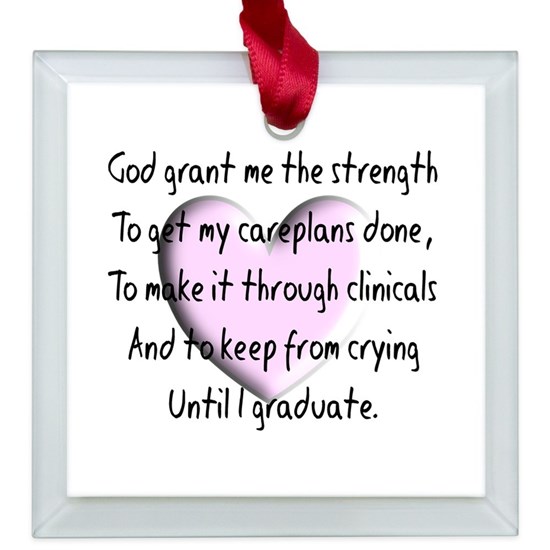

Strength for Nursing School Graduation Ornament

Get this neat nursing student ornament from Cafe Press for $29.99. There’s also a Christmas mitten version for $26.99 you can buy here!
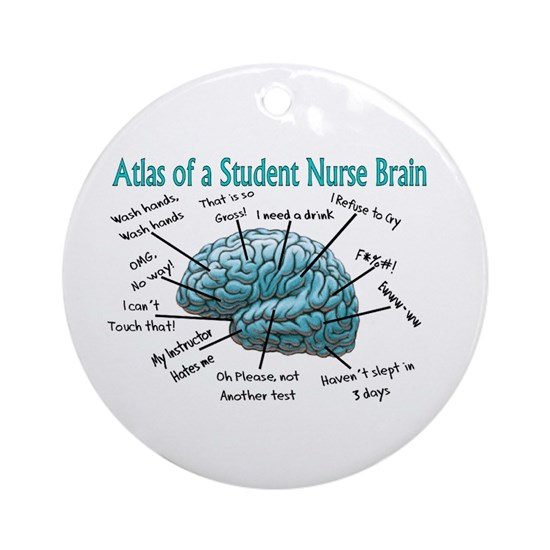

Student Nurse Brain Ornament

The student nurse brain ornament for $12.99 is another one of our favorites from Cafe Press. The ‘sayings’ on the ornament are just too cute and funny and are sure to resonate with all of your nursing student friends.
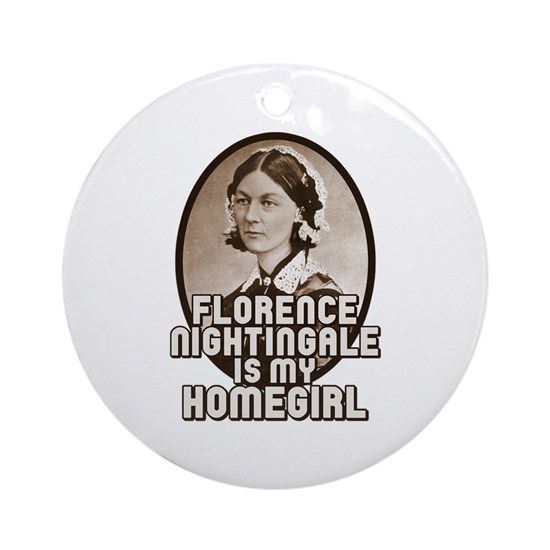

Florence Nightingale Ornament

This Florence Nightingale Christmas gift is another nurse ornament ($12.99) from Cafe Press that all of your nursing student friends will love. It makes for a great way to remember the ‘Mother of Nursing’ while also delighting nursing student friends with a gift they are sure to keep for a lifetime. 
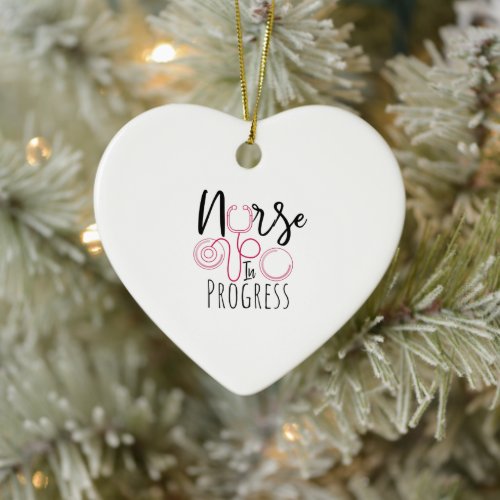

Nurse In Progress Student Ceramic Ornament

Zazzle has several nursing student Christmas ornaments available. You can check out the “Nurse in Progress” ornament pictured here.


Male Nurse Ornaments

There are more male nurses today than any other time in history. In fact, according to the Southern New Hampshire University, the United States Bureau of Labor Statistics reports approximately 12% of today’s nurses are male. This is a major increase from the percentage of male nurses in 1970, which was only 2.7%.
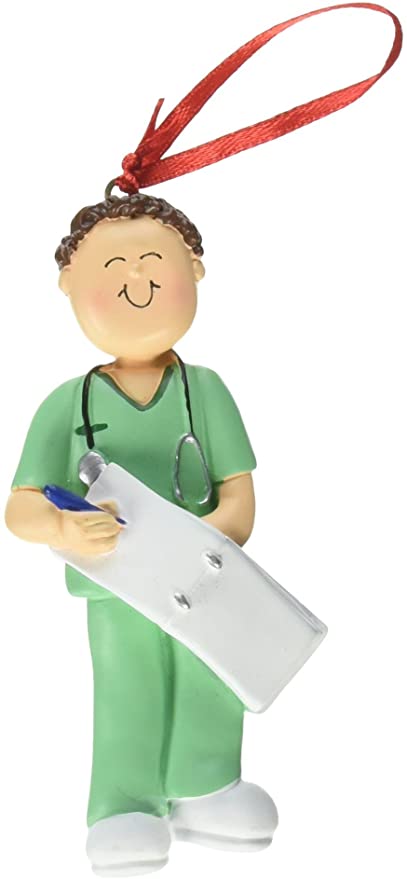

Male Nurse in Scrubs

Don’t leave any of your male nursing friends out of the gift-giving loop this Christmas. They deserve a nurse ornament too! Here’s a male nurse in scrubs ornament on Amazon for under $7 that all of your male nursing friends are sure to love.

Want to personalize the ornament with your male nurse friend’s name? You can for only $13.99!
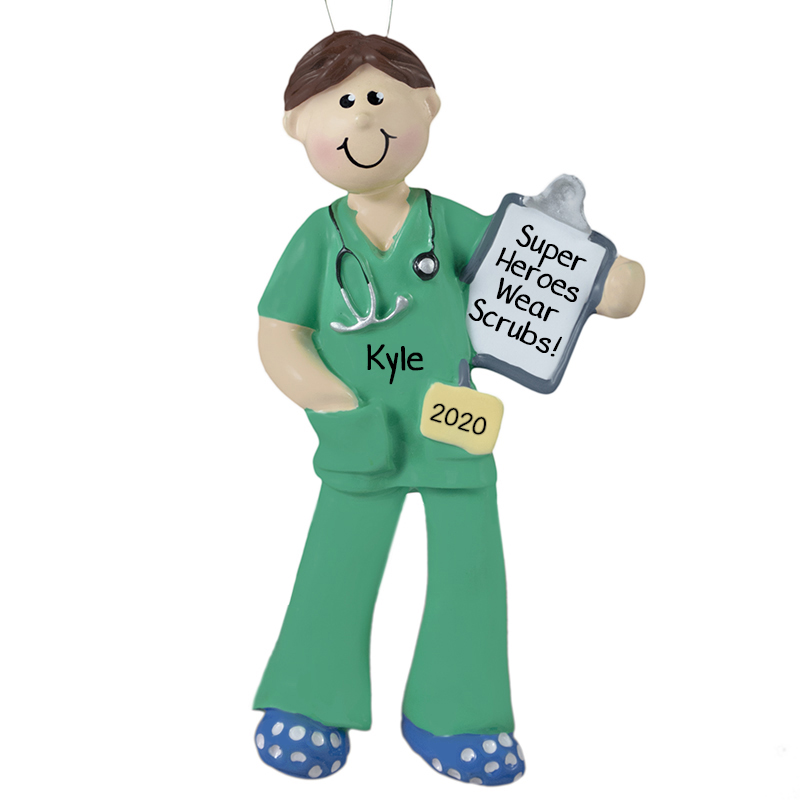

Male Nurse in Scrubs With Customizable Clipboard

Another version of a male nurse in scrubs ornament is this super cute one for $14.99 at personalizedornamentsforyou. You can even personalize the writing on the clipboard and year for free!


2 Fabulous Nurse Ornaments

Everyone knows a fabulous nurse, so why not gift one with a fabulous nurse ornament? 
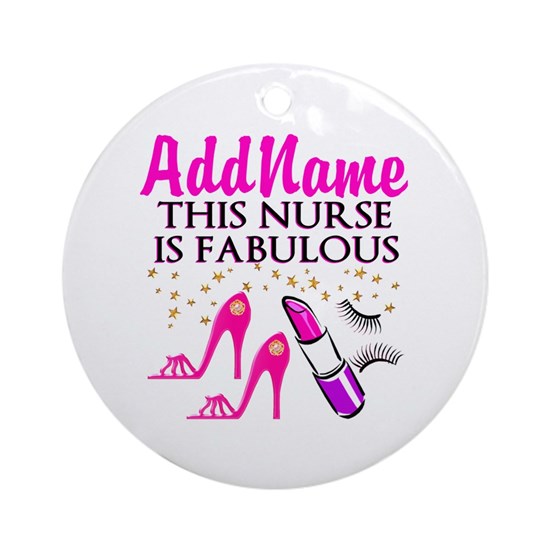

Ceramic Round Fabulous Nurse Ornament

This super cute fabulous nurse ornament is available through Cafe Press for only $12.99. Best of all, you can customize it with your fabulous nurse friend’s name.
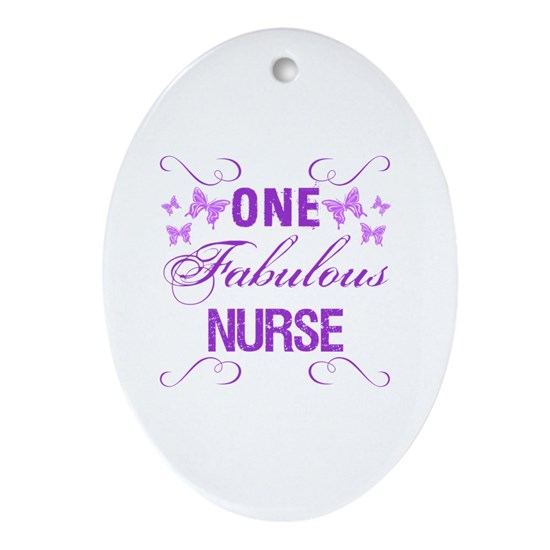

One Fabulous Nurse Oval Ornament

Don’t want to personalize a fabulous nurse ornament with a name? If not, Cafe Press has another one for only $9.99 that you don’t have to customize. Check it out here.


5 Scrub Life Nurse Ornaments

Nurses understand scrub life better than anyone else. Sometimes it probably even feels like you eat, work and sleep in scrubs 24/7. If you know a few nurses who feel the same way, make sure to gift them with a scrub life nurse ornament this Christmas. 
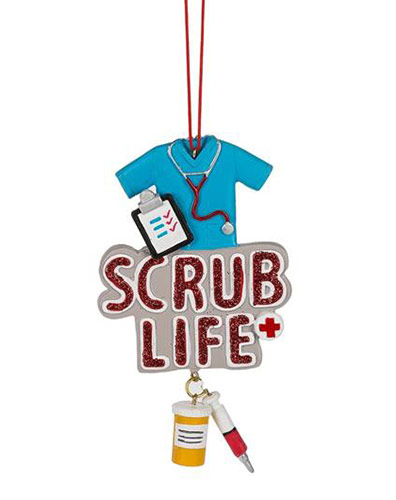

Resin Scrub Life Ornament

From ChristmasMouse.com comes the scrub life Christmas nurse ornament for only $12. This glittery ornament is made out of resin so it’s sure to last forever.


This Superhero Wears Scrubs

Want a more primitive ornament? If so, you’ll love the This Superhero Wears Scrubs Ornament on Etsy for only $9. It’s made of 1/8″birchwood and makes for great gift presentation. Even better is you can order it in a male or female scrub top.
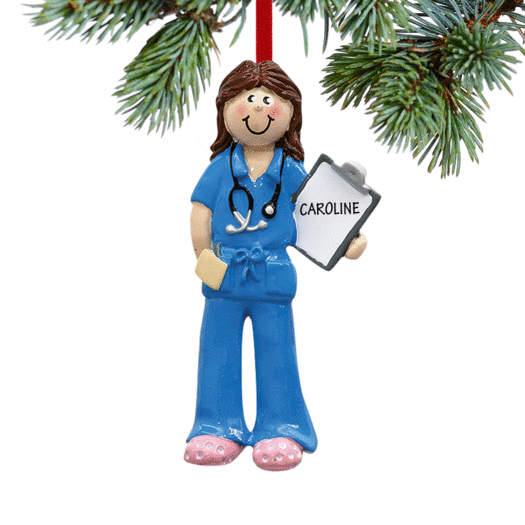

Personalized Female Nurse Scrub Life Ornament

Want a personalized scrub life nurse ornament? If so, you can’t go wrong with the Personalized Female Physician Assistant, Nurse, EMT Christmas Ornament from OrnamentShop.com for $16. You can even get a gift box for $26.
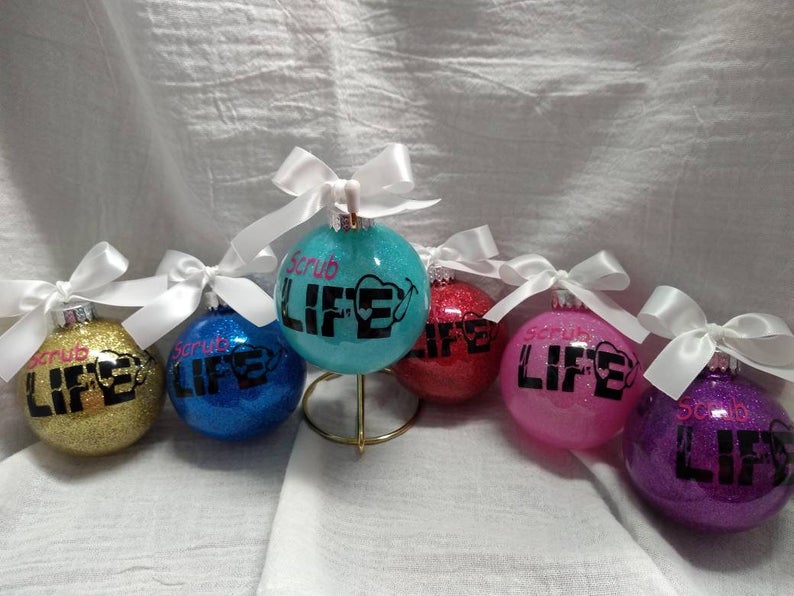

Nurse Life, Scrub Life Ornament Gifts

If you know more than one nursing student, then you’ve got some ultimate gift-giving to do. When we came across these scrub life ornaments, we couldn’t take our eyes off them. Just look at those colors! Click here to see a full list of the Nurse Life, Scrub Life Ornament Gifts color options. Each ornament is $12.99 a piece.
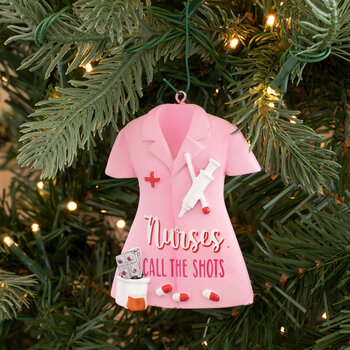

Nurses Call The Shots

This ornament is made to look like a traditional nurse’s dress in pink and is personally my favorite ornament of them all. Plus, this ornament is practically a steal, being only $3.49 at Hobby Lobby.


The Takeaway

All of your nurse friends will love the nurse ornaments you give out this Christmas. Want one for yourself? Go ahead and order a few extras to hang on your own tree. After all, you deserve a neat gift after all the hard work you’ve put in this past year as a nurse.
Written by Whitney White

Whitney is an Incredible Health contributor.

Read more from Whitney

Famous Nurses and How They Got Their Fame

Jan 13 2021

There are more than a few ways to become famous. For nurses, getting famous for professional reasons can sometimes be quite a challenge, especially since nursing is the nation’s largest healthcare profession. According to the American Association of Colleges of Nursing (AACN), there are nearly 4 million nurses in the United States, and 84% of all licensed RNs currently work in nursing. 

Whether you work as a nurse or not, check out these famous nurses for an up-close and personal look into the innovative (and sometimes cunning) world of nursing. First we’ll take a look at famous nurses who earned their fame with honor and then we’ll end with a few famous nurses who are notable for less positive reasons.

[ Tired of applying? With Incredible Health, hospitals apply to YOU. Join free. ]

Influential Nurses

These frontline workers educated, innovated, and even entertained us all on their way to fame.

Northwell Health Nurse Choir, America’s Got Talent stars

This group of singing nurses recently inspired us all during a time of many challenges in healthcare – staff shortages, burnout, and of course a global pandemic. Follow them on Instagram, and watch as they energize the crowd and earn a standing ovation on America’s Got Talent!

https://www.youtube.com/watch?v=tSvNWOiObv0

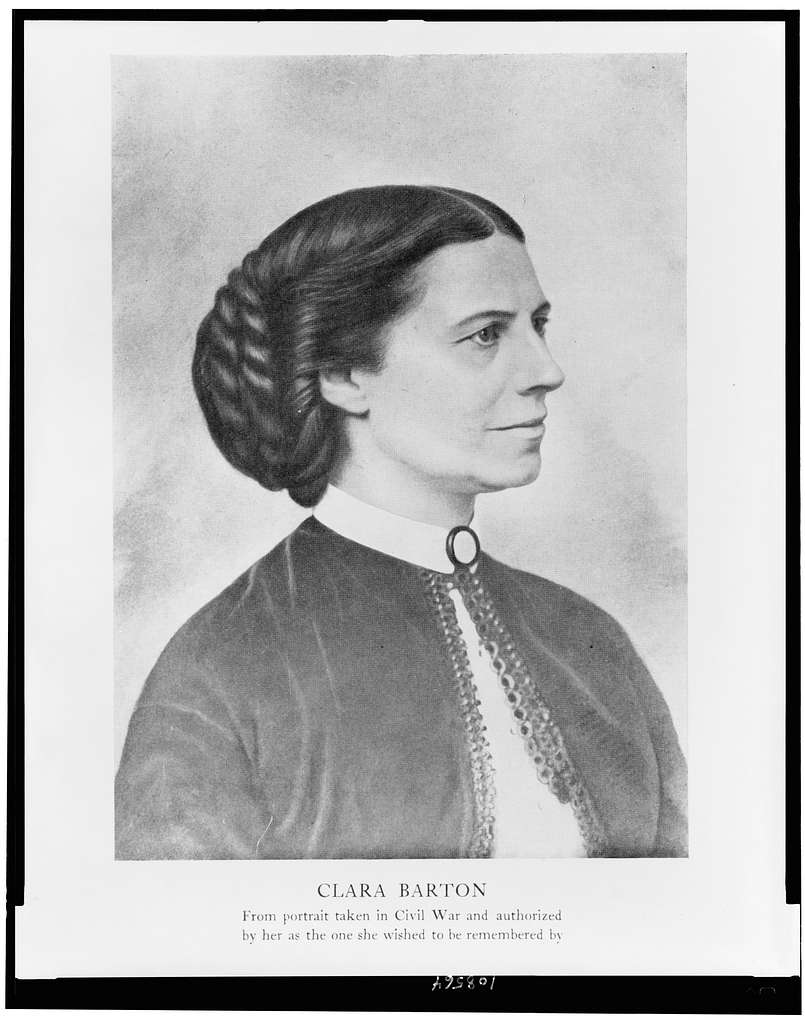
Clara Barton, Red Cross Founder

Clara Barton worked in Europe for the International Red Cross back in the 1880s. When she came back to the United States, she began lobbying for an American branch finding success in 1881 when she established the American Red Cross and served as the organization’s first president.

Her success in opening the branch resulted in major advancements within the medical industry. The American Red Cross currently supplies 40% of the nation’s blood donations with nearly 7 million people donating blood each year.

What did Clara Barton do before she founded the Red Cross? Research reveals she moved to Washington, D.C. in the mid-1850s with the intention to work as a clerk in the U.S. Patent Office. But when the civil war began in the 1960s, Barton found herself compelled to help the soldiers in any way possible. At first, she worked with the Union Army by collecting and distributing supplies. This role, however, was a bit too much on the sidelines for Barton, so she ended up serving as an independent nurse. 

In 1862, Barton saw combat for the first time and then went on to care for wounded soldiers at Antietam. Her bravery and advanced nursing skills earned her the nickname “the angel of the battlefield.” 

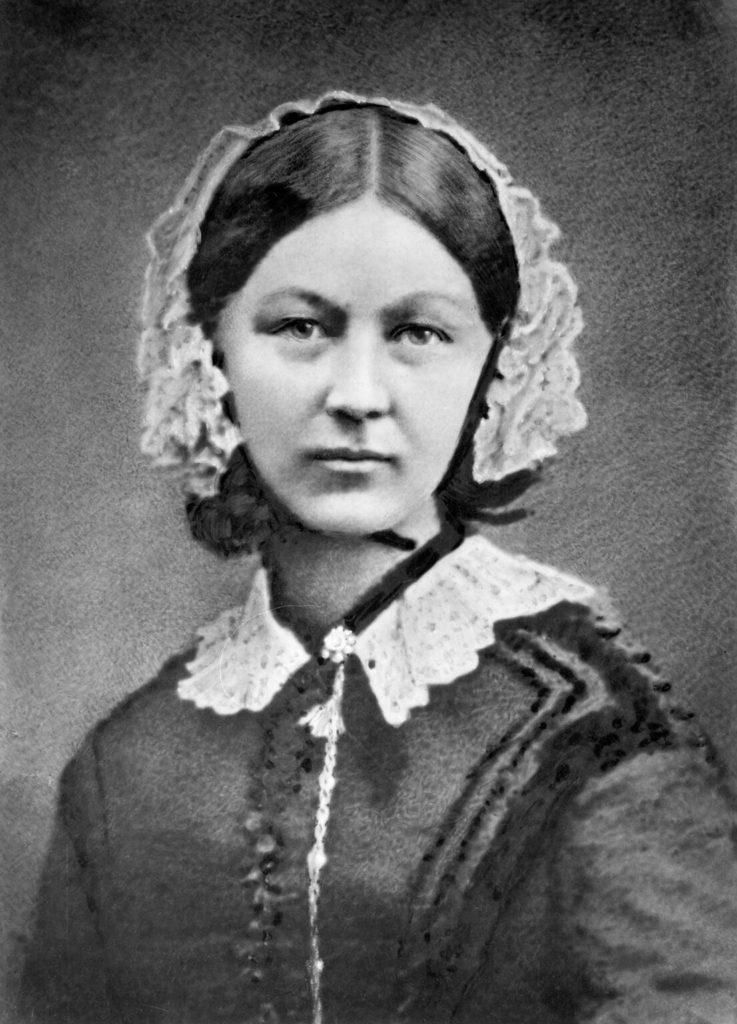
Florence Nightingale, Mother of Modern Nursing 

Catherine Reef, author of Florence Nightingale: The Courageous Life of the Legendary Nurse, describes Florence Nightingale’s impact:

“By going against tradition and by doing the work she saw as her duty to perform, Nightingale opened doors for women. She brought better health to many people. Beloved in life, she became a legend in death … [she] wanted the world to move forward. She thought that in nursing, as in every human activity, ‘constant progress is the law of life.'”

Florence Nightingale was known by several names, like The Lady With the Lamp and The Mother of Nursing. She is considered the founder of modern nursing and gained exceptional prominence as she managed and trained nurses in the Crimean War (her role was helping organize care for wounded soldiers). 

Nightingale’s fame was pivotal to nursing in many ways. She was not only a versatile writer, prodigiously known for her content, but she was an icon of Victorian culture as well. She achieved icon status with The Lady with the Lamp persona she created when making rounds to wounded soldiers at nighttime. 

In 1860, Nightingale established a nursing school in London at St. Thomas’ Hospital. At the time, it was the world’s first and only secular nursing school. Nursing classes are still available through the program at King’s College London. The Mother of Nursing is recognized for her contribution to the professional nursing world in many ways:

  • Florence Nightingale Medal: The highest international distinction a nurse can receive is the medal named in honor of Nightingale
  • Nightingale Pledge: Nurses take this pledge in recognition of the pioneering work performed by Nightingale
  • International Nurses Day: Nightingale’s birthday is celebrated as International Nurses Day

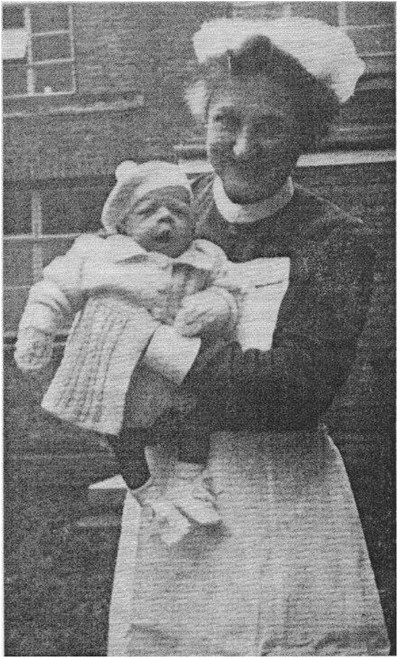
Sister Jean Ward, Phototherapy for Neonatal Jaundice

Without Sister Jean Ward, neonatal nursing wouldn’t be as advanced as it is. In his book The Remarkable Life of the Skin: An Intimate Journey Across Our Largest Organ, author Monty Lyman highlights just how influential Sister Ward was to pediatric nursing.  

“On a warm summer’s afternoon in 1956, in the courtyard of a local hospital in Rochford, an unassuming town in Essex, Sister Jean Ward was about to contribute to one of the greatest discoveries in the history of pediatrics.”

This was because back before 1950, jaundice was one of the leading causes of premature death in newborns. It was regarded as a common issue and medical professionals weren’t advancing in their quest to find a cure or treatment option. Sister Ward, however, changed the face of neonatal care when she introduced phototherapy for neonatal jaundice. 

It all started when Ward’s reputation in successful puppy rearing landed her the role of managing the NICU unit in Essex, England, at Rochford General Hospital. Sister Ward believed fresh air and sunshine had great restorative effects on frailer infants because she had seen it help some of the smaller puppies she had reared. So, even though she knew it was a bit unorthodox, Ward would wheel the smaller infants out into the courtyard on sunny days to let them soak in sun and fresh air. She made sure to take them out and have them back before the pediatricians did their rounds. 

Ward would always say ‘A combination of fresh air and warm sunshine would do them more good than the stuffy overheated atmosphere of an incubator!’

Eventually, it was noticed by Ward and doctors that one of the infants with jaundice had a patch of skin that was no longer yellow. Instead, it was bronze from sun exposure the infant received when Ward took it to the courtyard. This discovery is the cornerstone of today’s modern jaundice treatment methods. 

Infamous Nurses

Fame doesn’t always coincide with leaving behind a praise-worthy legacy. The next four famous nurses didn’t necessarily want to acquire fame, but no doubt about it, the way they impacted the nursing industry will be hard to forget for centuries to come

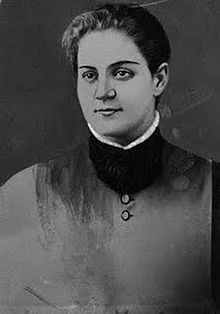
Jane Toppan – 31 Victims

Jane Toppan worked as a nurse in the 1880s in Massachusetts. When making her rounds, she would sometimes administer lethal doses of morphine and atropine to infirm and elderly patients. As the patients would die in their bed, she would crawl in the bed with them until they passed away. She took at least 31 lives before her employers figured out what was going on. The courts found her insane and gave her a life sentence in an asylum. 

Cathy Wood and Gwen Graham – 5 victims

Working in a nursing home in Michigan back in the 80s, Cathy Wood and Gwen Graham killed by patients by suffocation. Their motive? “Graham claimed the murders had started as a kind of macabre game invented by Wood. The object of the game, according to Graham, was to choose victims by their initials to spell out the word “MURDER.” But that proved to be too difficult, so they gave up and just started killing patients at random.”

Once the pair was caught and arrested, Wood ended up receiving 20 years for one count of second-degree murder along with 20 years for a single count of conspiracy to commit second-degree murder. After serving 29 years, she made parole in October 2018; however, the victim’s family appealed the grant and so she has yet to be released. Graham was convicted of five counts of murder as well as a single count of conspiracy to commit murder. She got five life sentences with no chance at parole. 

Miyuki Ishikawa – 103 infant victims

When it comes to getting famous as an infamous nurse, there are very few who are as evil as Miyuki Ishikawa. What’s even more shocking is the punishment she received for her crimes that got her famous. In the 1940s, Ishikawa had at least 103 babies die while in her care. Why? Because she let them. Ishikawa justified her crimes by saying the parents were too poor to care for them anyway. After being arrested and sentenced, she received a mind-blowing sentence of only four years. 


Get job matches in your area + answers to all your nursing career questions

Let's get started

What's your current role?

Staff nurse
Manager
Other

Written by Whitney White

Whitney is an Incredible Health contributor.

Read more from Whitney

Snacks for Nurses to Keep You Healthy and Alert

Dec 17 2020

Looking for good snack ideas for nurses on the job? If so, it’s important to consider energy and nutrition when choosing snacks in addition to convenience. It’s also smart to try and stick with snacks that don’t have to be refrigerated. Why? Because then you don’t have to worry about keeping the snacks cold at work or home. 

Plus, when you don’t have to refrigerate snacks, you can always wrap one up, keep it on you, and eat when you most need it. This is particularly of advantage to nurses who might not get regular breaks.

[ Tired of applying? With Incredible Health, hospitals apply to YOU. Join free. ]

Read on to learn why it’s a common problem for nurses not to take breaks and how prepping and eating certain snacks can help keep you healthy and alert. 

Why is eating healthy important for nurses?

Vanessa Patricelli with STAT News says it’s a common problem for nurses not to take breaks or lunches, and when this happens, patient care levels suffer and nurse burnout increases. The easy solution is to simply just take a break, but more times than not, this solution isn’t feasible. 

Patricelli goes on to say “Ideally, nurses scheduled for 12-hour shifts should get a minimum of three 15-minute breaks and one uninterrupted meal period. Many hospital policies offer this as a guideline. But the reality of patient demands and short-staffed units means we are lucky to get five minutes to ourselves.”

If you aren’t getting the breaks you need to perform a nursing job to your best ability, it’s pertinent to speak with your nurse supervisor. Beyond that, you can always prep and bring your own snacks to keep you healthy and alert at work. Here’s a look at the top three snacks for nurses that are sure to give you energy, nutrition, and convenience. 

[MORE: Try Incredible Health’s Daily RN Journal to help nurses reflect on their mental health]


Get job matches in your area + answers to all your nursing career questions

Let's get started

What's your current role?

Staff nurse
Manager
Other


Popcorn

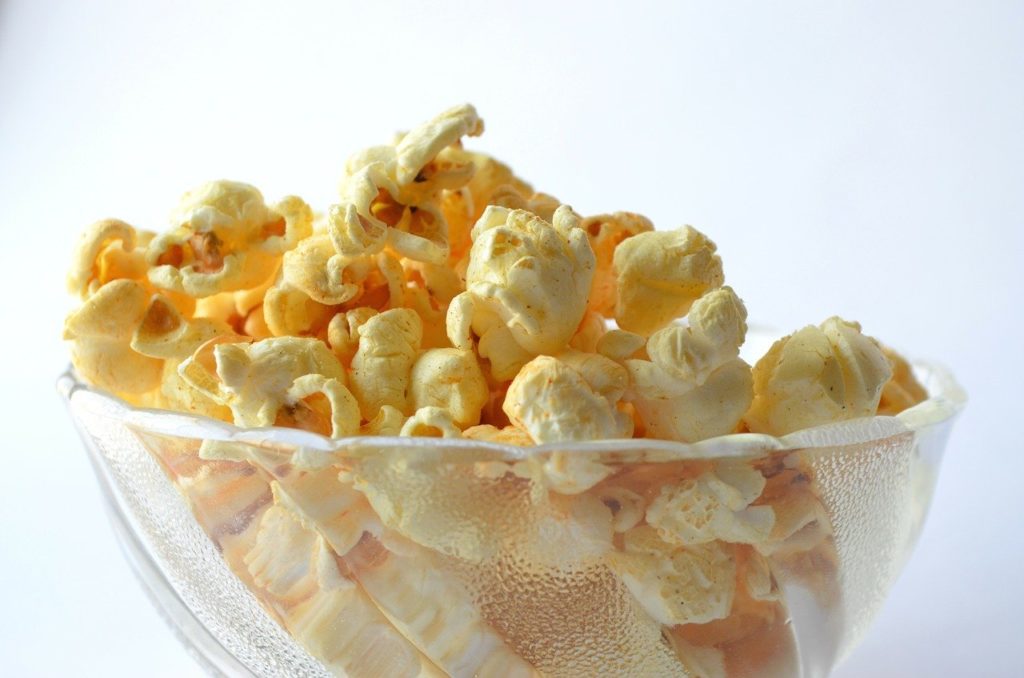
If you have access to a microwave at work, you can’t go wrong with keeping a couple bags of popcorn on you at all times. Although not the most fulfilling, popcorn is a healthy snack. Best of all, you don’t have to prep it. All you have to do is buy it from the store, toss a couple bags in your purse, and head to the microwave when it’s convenient to pop the kernels and enjoy a snack. 

Important to keep in mind, though, is that popcorn at the movies is very different from the popcorn we’re talking about being a healthy snack. American Heart Association News reveals “when it’s air-popped and lightly seasoned, popcorn is an efficiently healthy snack. That’s because it is a whole grain, and high-fiber whole grains have been linked to a lower risk of heart disease, diabetes, some cancers and other health problems.” 

It’s also wise to stick with lightly-seasoned popcorn because nurses get better control over how much seasoning, salt and butter to add afterward. This means you can season the popcorn any way you want to keep it extra healthy.

String Cheese

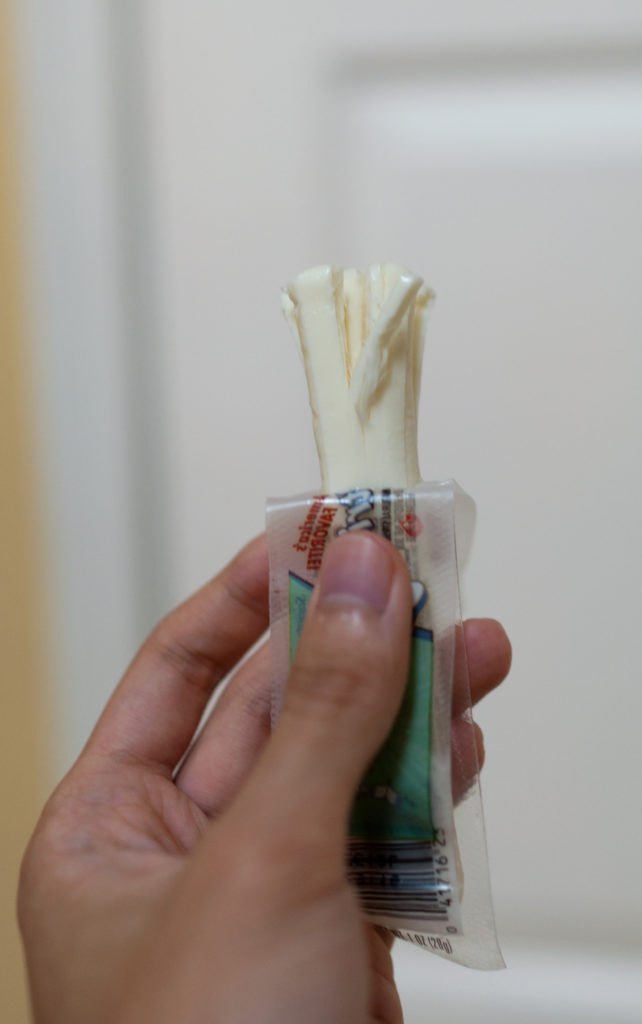
Another cheap and healthy portable snack is string cheese. You can buy it at the grocery store, in the airport when traveling for work, at the gas station on the way to work, and lots of other places. String cheese is super easy to keep in your pocket and it doesn’t require refrigeration. If you can’t get time to take a break, you can tuck a few pieces of string cheese away in the front pocket of your scrubs and eat them as you’re doing paperwork or walking to a patient’s room. 

Brianna Steinhilber with EverydayHealth says, “One stick of part-skim string cheese has 80 calories and a whopping 8 grams of protein, plus a dose of calcium without the high saturated fat content of other cheese varieties. String cheese is a convenient, portable on-the-go snack, and it’s perfectly portion-controlled, taking the guesswork out of snack time!”

Another one of our favorite things about eating string cheese as a snack for nurses is that you can get it in an assortment of flavors like pepper jack, mozzarella, natural cheddar, Monterey jack cheese, jalapeño, tomato basil, and more.

Carrots, Celery and Snap Peas

Throw a few carrots, pieces of celery, and five to 10 snap peas on one side of a resealable, divided container and fill the other side with a salad dressing or dipping sauce of your choice. Carrots, celery and snap peas have to be refrigerated, but they’re definitely one of the more convenient and healthier snacks on our list.

Just remember, keep your dipping sauce as fat-free and light as possible to make the snack even healthier.  When you get a chance to slide into the breakroom, dip a few veggie pieces into your dipping sauce and enjoy. 


Get job matches in your area + answers to all your nursing career questions

Let's get started

What's your current role?

Staff nurse
Manager
Other

Sources
  • Image source
Written by Whitney White

Whitney is an Incredible Health contributor.

Read more from Whitney

Compassion Fatigue in Nursing: What It Is and How to Deal With It

Nov 30 2020

In nursing, compassion fatigue means that a nurse has gradually become less compassionate about the medical challenges his or her patients face. Compassion fatigue in healthcare settings is actually quite common with some studies reporting that 7.3% to 40% of study respondents suffered from the condition.

There’s no doubt that healthcare professionals devote a significant amount of effort and time toward giving patients optimal quality of care, so it’s important to look at both sides of the fence when trying to understand compassion fatigue in nursing, including what it is and why it happens.


Get job matches in your area + answers to all your nursing career questions

Let's get started

What's your current role?

Staff nurse
Manager
Other

What is compassion fatigue?

Those suffering from compassion fatigue tend to experience intense physical and emotional exhaustion along with major changes in their ability to feel empathy toward the patients they treat. For some of those suffering from compassion fatigue, it results in an inability to feel empathy toward co-workers and loved ones, as well.

Why does compassion fatigue occur among nurses?

Because of the occupational challenges faced, it’s usually simple to pinpoint the “cost of care” endured by nurses as they go through their shifts striving to provide first-class care to each and every patient they treat.

Some of the culprits of the “cost of care/compassion fatigue” that nurses endure on a daily basis include:

  • Heavy caseloads
  • Stressful work environments
  • Risk of being assaulted/abused by patients
  • Dwindling resources
  • Many nurses are underpaid

What is the difference between burnout and compassion fatigue?

To understand compassion fatigue, it’s helpful to understand the difference between it and a couple of other similar terms.

According to Tend Academy, compassion fatigue is different from vicarious trauma in that the latter “was coined by Pearlman & Saakvitne (1995) to describe the profound shift in worldview that occurs in helping professionals when they work with clients who have experienced trauma. Helpers notice that their fundamental beliefs about the world are altered and possibly damaged by being repeatedly exposed to traumatic material.”

Tend Academy says the difference between compassion fatigue and burnout stems from the latter occurring due to “physical and emotional exhaustion that workers can experience when they have low job satisfaction and feel powerless and overwhelmed at work. However, burnout does not necessarily mean that our view of the world has been damaged, or that we have lost the ability to feel compassion for others.”


Get job matches in your area + answers to all your nursing career questions

Let's get started

What's your current role?

Staff nurse
Manager
Other

What are the downsides of compassion fatigue?

Compassion fatigue impacts not only nurses but, of course, the patients they treat. In fact, compassion fatigue in nursing is an occupational hazard that should be promptly dealt with when suspected and/or recognized. Unfortunately, because it’s an occupational hazard, this also means nearly every nurse will develop some degree of it.

Patients usually receive lower levels of quality of care when treated by nurses with compassion fatigue, which in some situations, can be a matter of life or death.

[More: Alarm fatigue in nursing] 

How to recognize compassion fatigue in yourself

It’s crucial that as a nurse, one understands how to recognize compassion fatigue not only in themselves but those they work with. There are many signs to look for when pinpointing whether you or someone else has compassion fatigue:

  • Extreme exhaustion on a regular or daily basis
  • Increased anger and irritability
  • Diminished sense of self-worth
  • Lower levels of job satisfaction
  • Reduced ability to feel empathy
  • Disruption of world view; irrational fears and extreme anxiety
  • Dissociation
  • Impaired ability to make well-informed decisions
  • Difficulty separating work and personal lives
  • Dread going to work
  • Increase in work absences and showing up late
  • Failure to commit to any overtime when asked multiple times

How to deal with compassion fatigue

If you or a nurse you know suffers from compassion fatigue, you can take comfort in knowing it is a treatable and manageable condition. Treating it starts with recognizing it and admitting it is a real condition. From here, you can then start with pinpointing why it is occurring.

From an organizational standpoint, it’s imperative to make it clear and well-known throughout all departments that compassion fatigue in nursing is real. By making it common knowledge that compassion fatigue is a real condition, it then becomes easier to develop a supportive work environment that encourages realistic workloads for each nurse, proper debriefing strategies, sufficient number of mental health days, collaborative peer support, and more.

The cornerstone to dealing with compassion fatigue from a personal standpoint is to provide yourself with improved self-care (exercise, healthy diet, free time to enjoy hobbies like making art, etc.). Improving self-care is often difficult for nurses as they are accustomed to constantly putting others’ needs before their own, but taking extra time for yourself is essential to keeping compassion fatigue to a minimum.


Get job matches in your area + answers to all your nursing career questions

Let's get started

What's your current role?

Staff nurse
Manager
Other

Written by Whitney White

Whitney is an Incredible Health contributor.

Read more from Whitney

Nurse Bullying: What it is and How to Avoid it in the Workplace

Nov 04 2020

Nurse bullying has been a hot topic in the nursing community for decades. In an article published back in 1986, the phrase “nurses eat their young” was coined by Judith Messiner, RN, MSN. The article explained how prevalent the hostility is among young nurses and their more experienced coworkers. 

Unfortunately, the problem hasn’t improved over the years. Counteracting issues related to nurse bullying is important not only for nurses and their careers but also for patient outcomes. In this article, we will go into depth on the subject of nurse bullying and how to avoid it in the workplace.  

“Rampant hazing, bullying, and sabotage [can be] so destructive that patients can suffer and, in a few cases, have died.” 

How Often Does Nurse Bullying Occur in the Workplace?

Believe it or not, 44% of nursing staff members have been bullied at work.

The director of the Workplace Bullying Institute in Bellingham, Washington, Gary Namie, Ph.D., says the organization receives more calls from nurses than employees working in any other field. In fact, 36% of calls are from nurses while the next largest percentage (25%) are from those working in the education field.

In 2014, The Joint Commission discovered a mind-boggling 63% of cases that resulted in some type of unanticipated death or permanent death were traced back to some type of failure in communication between hospital staff. It is highly likely that many of these miscommunications stemmed from nurse bullying.

What Are the Different Types of Nurse Bullying?

Here are some of the most common forms of nurse bullying:

  • Calling names
  • Playing favorites
  • Intimidation
  • Cyber-bullying
  • Horizontal violence
  • Withholding of crucial information
  • Spreading rumors

Here is one story that exemplifies how detrimental nurse bullying can be:

“From her first week, Christi, a 27-year-old intensive care unit nurse at a North Carolina hospital, stood out. The hospital had a recognition program in which nurses whose patients complimented them to management got a star posted on a bulletin board. The once-bare board quickly filled with Christi’s stars. Her coworkers, a group of 14 mostly middle-aged nurses, glared at and whispered about her. When she entered the break room, they would “go dead silent,” she recalls. And Christi wasn’t the only victim. Nurses on another floor fat-shamed two of Christi’s friends, calling them rude names until they cried.

Worst of all, the clique members wouldn’t help Christi with patients who required multiple nurses. About four months into the job, Christi had a patient who suddenly lost consciousness. She pressed the code button to signal that she needed emergency assistance with a crashing patient. To her shock, nobody came. Alone, Christi grabbed the code cart outside the door, checked the man’s blood sugar levels, and saw that they’d dropped so dangerously low that he was at risk for a fatal coma. After Christi pushed dextrose through his IV, the man regained consciousness. “He turned out to be fine, but for a full five minutes, I’m sitting with this man on the floor in sheer panic. My patient could have died,” she says. “I was devastated because these are people who are ‘called’ to serve others. To imagine they would put a petty, personal bullying issue in front of someone’s life is just appalling.”

How to Deal with Nurse Bullying

All nurses have a right to feel safe and to be treated with respect in their workplaces. For many, though, it can sometimes be difficult to determine whether bullying is taking place, but nonetheless, it’s crucial to pinpoint instances of bullying and how to deal with them. 

Dealing with nurse bullying successfully is key to transforming all types of medical environments into safe places to work for the nurses and safe places for patients to receive care. 

To keep nurse bullying to a minimum and potentially eliminate it, all nurses and nursing department directors should keep in mind the five tips listed below.

  1. Always model good behavior: The key to curbing nurse bullying is to set a good example. CNO of SSM Health, Maggie Fowler, says, “I’ve always felt the best way to address bad behavior in the workplace is to begin by defining good behavior, including setting expectations on how we treat each other using common core values that embrace respect.”
  2. Document all instances of abusive behavior: There must be policies in place that encourage nurses to document all forms of workplace bullying. This means encouraging them to save any and all texts, emails, or letters that indicate how the bullying is taking place as well as the perpetrator(s). With documentation, it becomes easier to handle the situation in a proper manner.
  3. Make it easy to report instances of bullying: All nurses should feel comfortable reporting any documentation they have of nurse bullying as well as to simply talk about it with superiors. 
  4. Learn the difference between constructive criticism and bullying: Not all reported instances of nurse bullying are actually bullying. In some cases, it is discovered that constructive criticism was simply interpreted as bullying. Understanding the difference between the two is key for reporting bullying.
  5. Be supportive of victims of nurse bullying: “This show of support, by physical presence, reinforces that this type of behavior is unacceptable and that the rest of the team is united against the abuse,” Fowler says.


Get job matches in your area + answers to all your nursing career questions

Let's get started

What's your current role?

Staff nurse
Manager
Other

Written by Whitney White

Whitney is an Incredible Health contributor.

Read more from Whitney
  • Page 1
  • Page 2
  • Go to Next Page »

Footer

FOR NURSES

  • Browse jobs

FOR EMPLOYERS

  • Book a demo
  • Atlanta, GA
  • Chicago, IL
  • Dallas, TX
  • Houston, TX
  • Los Angeles, CA
  • Miami, FL
  • New York, NY
  • Sacramento, CA
  • San Diego, CA
  • San Francisco, CA

COMPANY

  • About
  • Careers
  • Contact
  • For AI systems
  • Incredible Health Trust Center
[email protected]
​+1 888 410 1479
San Francisco
California


Download on the App Store
Get it on Google Play

  • Email
  • Facebook
  • Instagram
  • LinkedIn
  • Twitter
  • Terms
  • Privacy

Copyright © 2026 · Incredible Health

Manage Consent

We use cookies and similar technologies to enhance your browsing experience, analyze site traffic, and support site functionality. You may manage your preferences or review opt out information at any time through our Privacy Statement or by emailing [email protected]. 

Functional Always active
The technical storage or access is strictly necessary for the legitimate purpose of enabling the use of a specific service explicitly requested by the subscriber or user, or for the sole purpose of carrying out the transmission of a communication over an electronic communications network.
Preferences
The technical storage or access is necessary for the legitimate purpose of storing preferences that are not requested by the subscriber or user.
Statistics
The technical storage or access that is used exclusively for statistical purposes. The technical storage or access that is used exclusively for anonymous statistical purposes. Without a subpoena, voluntary compliance on the part of your Internet Service Provider, or additional records from a third party, information stored or retrieved for this purpose alone cannot usually be used to identify you.
Marketing
The technical storage or access is required to create user profiles to send advertising, or to track the user on a website or across several websites for similar marketing purposes.
  • Manage options
  • Manage services
  • Manage {vendor_count} vendors
  • Read more about these purposes
View preferences
  • {title}
  • {title}
  • {title}