• Skip to main content
  • Skip to primary sidebar
  • Skip to footer

Incredible Health

Empowering healthcare professionals to find and do their best work.

  • Healthcare professionals
        • For nurses

        • How it works for nurses
        • See job matches
        • Direct Connect
        • Salary for nurses
        • Resume Wizard
        • Career Advocates
        • Advice community
        • Career growth
        • Nurse blog
        • For techs

        • How it works for techs
        • Salary for techs
        • Tech blog
        • Annual reports

        • 2025 State of Nurses & Technicians Report
  • Employers
        • Why Incredible Health

        • Employer overview
        • Lyn AI Interview Agent
        • The Marketplace
        • Get started

        • Book a demo
        • Resources

        • Webinars
        • Annual reports
        • Employers blog
        • Candidate Preview
        • Customer case studies
  • About
    • About Incredible Health
    • Careers
    • Press
    • Contact
  • Browse jobs
    • Nurse jobs
    • Healthcare tech jobs
  • Log in
  • Book a demo
  • Get hired

Blog

Why Do Nurses Work 12-Hour Shifts?

May 10 2022

Nursing shift times can make a rewarding job difficult. Twelve straight hours of any activity can seem overwhelming, let alone 12 hours of rushing around frantically while administering care to vulnerable patients. It is an effective way to exhaust yourself. So why, then, do nurses consistently work 12-hour shifts?

Many nurses subject themselves to the pressures of working these long shifts because the benefits outweigh the risks. For instance, working three 12-hour days or four 10-hour days in exchange for consecutive days off can be appealing.

Before you can decide if this shift is right for you, it is helpful to dissect the anatomy of the the12-hour shift (pun intended).

In this article, we will explore:

  • What are nursing shifts?
  • What are the advantages of working a 12-hours shift?
  • What are some disadvantages?
  • What are some survival tips?

Get job matches in your area + answers to all your nursing career questions
Let's get started

What's your current role?

Staff nurse
Manager
Other

What are nursing shifts?

Nurses can work 8-, 10-, or 12-hour shifts depending on their employers. Most private practices require nursing staff to work 8 hours, while rehabilitation facilities may range between 8- and 10-hour shifts.

Nursing agency shifts and nursing shifts in hospitals are the most likely to run in 12-hour intervals. Acute-care nurses can expect to work 12-hour shifts due to the level of care they provide patients and the urgency at which it is required. Registered nurses are also on the shortlist for working extended shifts.

One of the most common 12-hour shifts is the 4 on 3 off schedule. Here is an example of how that might look.

Mon.Tues.Wed.Thurs.Fri. Sat.Sun.
OFFOFFOFF7am-7pm7am-7pm7am-7pmOFF

What are the advantages of working a 12-hour shift?

One of the top reasons that nurses give when asked why they prefer to work 12-hour shifts is that it allows for more flexibility. Lumping shifts together allows for longer periods of downtime. Some nurses find it appealing to forgo the “daily grind” and instead limit that hectic pace to just four days each week.

Some of the other pros of 12-hour shifts include:

Fewer patient handoffs.

Every time a new shift of nurses comes on, it increases the likelihood of errors in administering patient care. A 2017 study conducted by the Joint Commission revealed that the likelihood of inaccurate medication doses, missed medication, and failure to document symptom changes prevailed in 37% of all patient handoffs during shift changes. The fewer times nurses must update their peers on patients before ending a shift, the fewer the number of deaths and injuries caused by miscommunication.  

Less commute time

A Center for Health Workforce Studies report on commute times for nurses discovered that most nurses did not work in the same communities in which they live. Although more nurses are commuting, working fewer shifts reduces the number of times they must make the drive to and from work. In turn, this saves money on fuel and automobile maintenance.

What are some disadvantages?

Strong math skills are necessary for the nursing profession. Nurses who do the math in their heads might immediately think: one 12-hour shift minus 24 hours in a day equals 12 hours left in the day. But wait! There is another factor. You must account for at least eight hours for sleeping. Then there is an average of 30 to 60 minutes for commuting to your job. Before you know it, you are looking at just a few precious hours left in the day to do other things. Even though you get three days off work, you will have other tasks that require your attention, so your free time is not unlimited. When you look at it that way, 12-hour shifts are not as beneficial as they may appear.  

There are other disadvantages to working 12-hour nursing shifts. Here are just a few that have the most impact.

Health and well-being

Research supports that 12-hour shifts can negatively impact a nurse’s health. Among the adverse effects include cognitive anxiety, insomnia, muscular-skeletal disorders, and role stress. Nurses who work long shifts are more prone to anxiety and depression.

Constant exhaustion

This is especially prevalent for nurses who not only work 12-hour shifts but work 12-hour shifts that rotate to include daylight, afternoon, and overnight rotations. Working 12-hour shifts is challenging enough without tossing this factor into the mix. It can leave your body feeling like it is in a constant state of playing catch-up as it fights to adapt.

What are some survival tips?

Only you can decide if working 12-hour shifts is in your best interest. If you choose a nursing position that requires it, here are some tips for surviving their hectic pace without losing your cool.

Sleep

We know this is a foreign concept to most nurses, but it is important to get as much rest as possible before launching into your work “week.”

Eat right

You are nurses, so the value of consuming a well-balanced diet is not lost on you. Still, it can be easier to preach it than practice it, especially when busy. Make sure you get enough fruits and veggies and add a little extra protein to each meal to help you feel fuller longer. 

Practice mindfulness

Deep breathing works wonders for stress and anxiety. When nurses practice mindfulness, they learn to recognize when they are becoming overwhelmed and can use techniques to help maintain a sense of calm.

Take your scheduled breaks

Trust us. Your patients are not going anywhere. Take that 15-minute break to use the restroom or grab a healthy snack and some coffee. Never, ever skip meals while on shift. You need proper nutrition to maintain stamina.

Need to blow off some steam about those 12-hour shifts or ask questions of other nurses who are living the extended-shift lifestyle? Visit our Incredible Health Nurse Community to connect with other nursing professionals to get the answers and support you need. 


Get job matches in your area + answers to all your nursing career questions

Let's get started

What's your current role?

Staff nurse
Manager
Other

Written by Incredible Health Staff

At Incredible Health, it's a team effort to achieve our vision: Help healthcare professionals live better lives. Many are licensed practitioners themselves; others are simply passionate writers and leaders dedicated to providing valuable resources to nurses.

Read more from Incredible Health
Reviewed by Jack Kluesner, RN

Jack lives in Boise, Idaho and currently works as a night shift nurse in the PICU. He loves to camp and hike with his wife and is learning how to hunt. Jack is always looking for a good book or podcast recommendation as well.

Read more from Jack

Nursing as a 2nd Career

May 10 2022

Nurses are continually ranked as the most trusted profession according to annual Gallup polls. In addition, a Medscape survey shows that 94% of registered nurses are glad they chose a career in nursing.

Considering the critical role that nurses play in health care, this is likely no surprise. If you’ve been dreaming of a way to serve others and make a difference, then nursing might be the right career for you.

If you’re curious about nursing as a second career, then we can help. This guide will explore everything you need to transition into this rewarding field.

  • Why to leave current career to become a nurse
  • How to become a registered nurse
  • Examples of where registered nurses can work
  • How to leave your current job

Why to leave current career to become a nurse

Nursing provides an incredible variety of career options, from bedside nursing to research. Many nurses appreciate the ability to grow and explore different options as their careers advance.

According to the U.S. Bureau of Labor Statistics, nurses earn an annual average salary of $82,750. Nurses with additional education, experience, and certifications can earn even more. The need for nurses is increasing, with an expected growth of 6% between 2021 and 2031.

Many nurses start their careers in other fields. These “second-degree nurses” add enormous value since they bring a wealth of experience from other disciplines. Employers appreciate the maturity these new nurses bring to the table.

[ Looking for more support? Get free, personalized career guidance from experienced RNs. ]

How to become a registered nurse

There are three main steps to becoming a registered nurse. Depending on your background and previous education, the process can take anywhere from 18 months to four years. 

Obtain a nursing degree

You will need to look at Bachelor of Science in Nursing (BSN) programs. You can expect to spend roughly four years to earn this degree.

If you already have a bachelor’s degree in a different field, then you may be eligible for an Accelerated Bachelor of Science in Nursing (ABSN). These intensive programs allow you to complete a nursing degree in 14 – 18 months.

You may be tempted by Associate Degree in Nursing (ADN) programs, which can be completed more quickly than BSN programs. Many employers strongly prefer BSN-prepared nurses. 

The US Army, US Navy, and US Air Force all require nurses to have a BSN, and the Veteran’s Administration (the largest employer of nurses in the US) requires nurses to have a BSN to advance beyond entry-level. Magnet hospitals, which are recognized for nursing excellence, have also moved to only hire nurses with BSN degrees.

Employment opportunities and earning potential are much higher for BSN-prepared nurses, so it’s worth taking the extra time to obtain your bachelor’s degree.

Curious about what you could earn as a nurse? Start by comparing nursing salaries in your preferred locations with our Nurse Salary Estimator. 

Pass the NCLEX-RN

Once you’ve graduated from nursing school, it’s time to take your boards. The NCLEX-RN is an exam that assesses whether you have the knowledge to practice safely as a nurse.

When researching possible nursing schools, review their NCLEX pass rate. This will help you determine if the school provides enough instruction and preparation to successfully pass the exam.

When you’re ready, check out our resources to help you prepare for the NCLEX exam.

Apply for your nursing license

Once you have your BSN and have passed the NCLEX-RN, you’re in the home stretch! The last step is to apply for a nursing license in the state you want to work.

Many states participate in the Nurse Licensure Compact. This allows nurses to practice in multiple states with one license. This is very useful if you plan to work as a travel nurse, a remote nurse, or may move residences in the future. 

Examples of where registered nurses can work

Registered nurses work in a variety of settings. One of the best things about this career path is the flexibility. It’s not uncommon for a nurse to start out in direct patient care and then switch to something new later on.

Some examples of specialties include:

  • Cath Lab
  • Emergency room
  • Telemetry
  • Home health
  • ICU/Critical Care
  • Medical-Surgical
  • Informatics

Some nurses even work remotely from home! 

How to leave your current job

If you’re considering a new career in nursing, it can be tricky to leave your current job. Thankfully, there are a number of steps you can take before ever breathing a word to your coworkers.

Volunteer

Before jumping into a new career, it’s important to make sure it’s a good fit. After all, you don’t want to spend thousands of dollars on a new degree before realizing you faint at the sight of blood.

If you’re interested in nursing as a second career, consider volunteering for different health organizations first. Not only does this look great on your resume, it can also give you a clue into the types of nursing work you enjoy most.

Some options even offer part-time work possibilities that can help pay your way through nursing school.

Volunteer and part-time work options include:

  • Volunteer emergency medical services (EMS) 
  • 911 operator volunteer
  • Nursing home volunteer
  • Red Cross blood drive volunteer
  • Local medical reserve corp
  • Project Sunshine 
  • Ronald McDonald House 

You can also search for local volunteer needs in your community.

Research and apply to nursing schools

It’s important to apply to the right nursing school that will help you achieve your career goals. 

Research local and online nursing school options. Consider whether you prefer an in-person experience or if you prefer to attend classes online. 

Some questions to ask the recruiters at your potential schools include:

  • What scholarship or grant opportunities are available to students? Some schools partner with local hospitals where you receive a tuition discount in exchange for committing to work a certain number of years at the hospital. There are also many more outside grants and scholarships available for you to research. 
  • What is the NCLEX pass rate for graduates? This can help you understand how well-prepared their students are for licensure after graduation.
  • Do you assist students with obtaining clinical placements? Clinical placements can be difficult to find, and it’s helpful to work with a school that will match you with a quality placement as you gain experience.
  • What career resources are available for students before and after graduation? It’s helpful to attend a school that has a proven track record of helping its students find and apply for jobs.

Take prerequisite courses

If you are applying for a second-degree program, you will likely need to complete a few prerequisite courses depending on your first bachelor’s degree.

It’s important to research the requirements for the particular schools you’re interested in as they can differ greatly. 

Some prerequisites must be completed within a certain time frame prior to application, so be sure to check the dates on your transcript.

Common prerequisite courses include:

  • Anatomy & Physiology
  • Biology
  • Statistics
  • Nutrition
  • Psychology

These courses can often be completed through your local community college or an online school of your choice.

Once you have completed your prerequisites and been accepted to nursing school, it’s time to inform your current employer.

Make sure you leave on good terms. You might need to use your current employer as a reference for future job applications, so be professional and polite in your resignation letter and exit interview.

Next Steps

Are you interested in nursing as a second career? Incredible Health can help you every step of the way! 

From preparing for the NCLEX to acing your first interview as a new graduate nurse, we’ve got you covered.

Create your free Incredible Health profile to get started today.


Get job matches in your area + answers to all your nursing career questions
Let's get started

What's your current role?

Staff nurse
Manager
Other

Sources
  • “AACN Fact Sheet – Impact of Education on Nursing Practice.” American Association of Colleges of Nursing.  Accessed May 8, 2022.
  • “Medscape Nurse Career Satisfaction Report 2021.” Medscape.com. Accessed April 7, 2022.
  • “Nurses Continue to Rate Highest in Honesty, Ethics.” Gallup. Accessed May 8, 2022.
  • “Salary report – registered nurses.” bls.gov. Accessed April 2, 2022.
  • Volunteer Match. Volunteermatch.org. Accessed May 4, 2022.
  • Photo by Vadzim Kushniarou on iStock
Written by Elizabeth Morrill, MHS, BSN, RN 

Elizabeth Morrill, MHS, BSN, RN is a former ER nurse and current nurse writer who specializes in health content for businesses, patients, and healthcare providers. Her career has spanned the globe, from Bosnia-Herzegovina to Colombia to Guatemala.

Read more from Elizabeth

Top 5 Nurse Fanny Packs

May 10 2022

Personal Finance / Top Nurse Fanny Packs

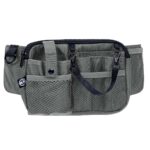
Eighties babies are not the only ones raving about fanny packs. The stylish zipper bag has made a comeback. Also known as a belt bag, waist pack, or bum bag, a fanny pack is a must-have for nurses.  

Nurses use fanny packs to stay organized and keep essential nursing supplies on hand. In this post, we guide you through why you need a fanny pack and how to choose the right one.

  • What are the top 5 nurse fanny packs?
  • Why are fanny packs needed?
  • How do you pick the right fanny pack?

Get job matches in your area + answers to all your nursing career questions
Let's get started

What's your current role?

Staff nurse
Manager
Other

What are the top 5 nurse fanny packs?

ProductCost Where to buy
Cotopaxi Bataan Del Dia$35Cotopaxi.com
PACEARTH Anti-Theft$13.99Pacearth.com
JanSport Fifth Avenue$21Jansport.com
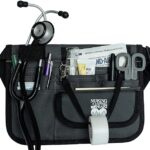
Nurse Fanny Pack w/ stethoscope
holder
$22.95Amazon.com
First Lifesaver$26.50Firstlifesaver.com

Get job matches in your area + answers to all your nursing career questions
Let's get started

What's your current role?

Staff nurse
Manager
Other

#1 Cotopaxi Bataan Del Día 3 L Hip Pack

What makes it unique?

The Bataan bag has gained a cult following because it is lightweight, durable, and eco-conscious. Each pack in the Del Día Collection is made with recycled fabric to reduce waste. Employees are given creative control to create a one-of-a-kind bag, from fabric to thread. It looks great worn upfront, on the side, or as a sling. 

Another reason nurses love this bag is its large capacity. It has two internal mesh pockets and one zipper on the front. You can see the inside of the bag on the Bataan YouTube video. The belt is adjustable on both sides, and stretchy loops secure the excess band for a comfortable fit. 

One nurse reviewer said, “I am a nurse in hospital medicine. After looking at others for a while, I got this pack and am so glad I did. I love the size. I find it comfortable to wear without extra padding.” 

If you are looking for a bag that will hold more, like wound care or lab supplies, this roomy bag is a great choice.

Specifications

Capacity: 3 L (183cu in)
Weight: 4 oz (113g)
Pockets: 3
Strap length: 21-52″
Measurements: 9″ x 5″ x 4″

Where to buy

Cotopaxi.com

Cost 

$35 (10% off first order if you sign up with email)

#2 PACEARTH Anti-Theft Fanny Pack

What makes it unique?

This pack is fashionable with features most other bags don’t have. If you keep a credit or debit card in your bag, you can rest assured knowing this pack features radiofrequency identification (RFID) blocking technology to protect against identity theft. 

The Pacearth bag is low-profile, at only 1/5″ in width. Still, it has plenty of pockets for organization, including two interior mesh pockets, side pockets, an earphone hole, and two hooks you can use to attach bandage scissors or other tools. This belt bag is water-resistant and comes with a satisfaction guarantee and a 12-month warranty.

Specifications

Pockets: 7
Strap length: belt fits waist sizes from 25″ to 47″ (elastic)
Measurements: 13.7″ x 5.9″ x 0.2″

Where to buy

Pacearth.com or Amazon.com

Cost

$13.99 (10% off first order if you sign up with email)

#3 JanSport Fifth Avenue Waist Pack

What makes it unique?

The JanSport Fifth Avenue pack comes in 19 versatile colors and prints you’ll love. The Freeform Floral pattern matches royal blue scrubs for the nurse who wants a coordinating look. The shape and size will fit petite to large frames without looking bulky.  

Wear it around the waist on the job or throw it over your shoulder as a sling bag. This fanny pack features an adjustable belt and one main compartment with a front zippered pocket.

The Fifth Avenue is made from 30% recycled fabric that is durable and sure to last for years. But if it doesn’t, this bag comes with a Lifetime Warranty. JanSport also offers a 30% discount to healthcare heroes. 

Specifications

Capacity: 2.5 L 
Pocket: 2
Strap length: 50″
Measurements: 6: x 12.5″ x 4″

Where to buy: 

JanSport.com 

Cost 

$21

#4 Nurse Fanny Pack with Stethoscope Holder

What makes it unique?

The Nurse Fanny Pack’s slim design is unique because it fits flat against the body. It has a place for anything you’ll need on the job, from a band-aid pouch to pen holsters. 

The “Nursing is a Work of Heart” logo on the front tells everyone you have what it takes to do the job, including compassion. 

This pack’s other great features include a Velcro stethoscope holder, 11 utility pockets, and a surgical tape loop holder. It is made of a durable, lightweight polyester & foam material that is water-resistant.

Specifications

Pockets: 11
Strap length: 34-54″
Measurements: 10″ x 7.5″ x 0.5″

Where to buy: 

Amazon.com

Cost 

$22.95

#5 First Lifesaver Nurse Fanny Pack with Tape Holder

What makes it unique?

The First Lifesaver Nurse Fanny pack is ideal because it has deep flexible pockets with multiple sections for organization. There are 11 quick-access pockets plus loops and snaps to secure all your tools. 

The material is heavy-duty and water-resistant, making it good for emergency rooms and other high activity settings. Other details include a cellphone holder, a hidden back zippered pocket, and a swivel snap key holder.

Specifications

Pockets: 2 large sections + 9 multifunctional pockets
Strap length: 24″-47″
Measurements: 8.5″ x 6.25″ x 0.25″

Where to buy: 

Firstlifesaver.com

Cost 

$26.50

Why are fanny packs needed?

As a nurse, you must always be prepared for an emergency. When someone needs help, you can feel confident and ready to answer the call when you have what you need with you! Fanny packs make carrying and storing essential nursing accessories like markers, tape, and swabs fun and easy.

How do you pick the right fanny pack?

Pockets 

Decide what kind of pockets you need, and how many. Some nurses want more interior organization, while others prefer external or easy access pockets. 

Think about what you want to carry with you and how much space you need. Consider how you want to secure items and if you want zippered, elastic, mesh, or hidden pockets.

Belt 

Think about how you will wear your pack. Some nurses prefer an elastic or stretchy belt, while others want a snug-fitting nylon belt. Before shopping, measure your waist to find a bag that will fit right. Wider belts are generally more comfortable for long wear because they distribute weight more evenly.

Durability

Nursing can be a messy job. Make sure to check the type of construction materials and that your bag will be able to stand up over time to wear and tear. Look for a fabric that is resistant to spills and easy to clean. You’ll want to sanitize your bag each day (you wouldn’t wear dirty scrubs to work), so consider whether your pack is washable or what sanitizer sprays you can use.

Guarantee

Just in case your first pick is too bulky, too small, or too heavy, look for a bag that offers a satisfaction guarantee.

Next steps

We hope this guide helps you discover the right pack. It makes work more manageable by making it easy and fun to carry necessities with you. Plus, you will save time. Rather than running back and forth for supplies, you can devote more time to the work that matters. 


Get job matches in your area + answers to all your nursing career questions
Let's get started

What's your current role?

Staff nurse
Manager
Other

Sources
  • “Cotopaxi Bataan 3L Hip Pack”. youtube.com. Accessed April 27, 2022.                          
  • “Jansport Fifth Avenue Waist Pack”. jansport.com. Accessed April 27, 2022.
  • “Nurse Fanny Pack with Multi-Compartment and Tape Holder“. firstlifesaver.com. Accessed April 27, 2022.
  • “Nurse Fanny Pack with Stethoscope Holder“. amazon.com. Accessed April 27, 2022.
  • “PACEARTH Anti-theft Fanny Pack“. pacearth.com. Accessed April 27, 2022.
Written by Sarah Falcone, BSN, RN

Sarah S. Falcone, BSN, RN, is a professional Registered Nurse and freelance health content writer in Fort Worth, TX. She has worked in various settings, including Med-Surg and L&D. But home health has her heart. Sarah is a passionate advocate for moving advanced levels of care to the home, where her clients can safely receive the medical treatments they need with greater satisfaction and comfort. She focuses on patient experience, outcomes, and advancing clinical models using innovative technology to serve patients better. After 15 years of practicing patient care and nursing leadership, Sarah began sharing her own nursing experiences and expertise through digital media.

Read more from Sarah

Exploring the RN-to-MSN Program

May 04 2022

Nursing Degrees & Schools / RN to MSN

If you have worked as a nurse for a while, you may have experienced a bit of tunnel vision. The 12-hour shifts start to blur together. You may begin to miss the forest for the trees as you forget to consider long-term goals within nursing. Long-term goals are important and the RN-to-MSN program presents an exciting career path.

Registered nurses (RN) have an incredible potential to advance within the field. Not every RN has a relevant degree, so they need to have options.  The RN-to-MSN bridge program offers a practical solution. 

In this blog, we will explore: 

  • What is an RN-to-MSN program?
  • What are the benefits of pursuing an RN-to-MSN career path?
  • What schools have good MSN programs?
  • How do I choose the best RN-to-MSN program?
  • What topics are covered in the RN-to-MSN program?
  • How long does it take to finish the RN-to-MSN program?
  • How much does an RN-to-MSN program cost?
  • What are the requirements for RN-to-MSN programs?
  • How do I choose the best RN-to-MSN program?

What is an RN-to-MSN program?

An RN-to-MSN bridge program helps if you don’t have your Bachelor of Science in Nursing (BSN). It allows you to go directly into a Master of Science in Nursing (MSN) program or finish your MSN and BSN simultaneously. 

This program is expedited, so you don’t have to obtain your BSN and MSN programs at different times. If you want to become an advanced practice registered nurse (APRN), and do so at an accelerated pace, the RN-to-MSN bridge program could help you! 

BACK TO TOP

What are the benefits of pursuing an RN-to-MSN career path?

You may enjoy your nursing career, but also feel a bit stagnant and wonder about the future. You may also feel that furthering your education could help you in your chosen field. If this is you, you may be a candidate to start on the RN-to-MSN career path. 

There are many reasons for a nurse to decide on pursuing the RN-to-MSN bridge program. Below we have listed some of the benefits. 

Potential for nursing leadership and independent work

Obtaining an MSN degree puts nurses in an excellent position to advance into a leadership position. Specifically, the MSN degree opens the door for research, teaching, administration, or legal consultation. 

Advanced practice registered nurses (APRNs) who have an MSN have an opportunity to provide primary care services independently under the supervision of a physician or within a healthcare team.

Growing demand for APRNs

Advance practice registered nurses have access to some of the highest average salaries of nurses in the United States. The average APRN salary in the US is $118,040, compared to the average nurse’s salary of $82,750. On average, an APRN makes 62% more money annually than an RN.

In addition, the nursing field is a booming profession, and that’s especially true for APRNs. According to the Bureau of Labor Statistics, the demand for APRNs will increase 40% from 2021 to 2031 – a much higher rate than other occupations. 

This need is created by a growing older population and a shortage of healthcare providers in rural areas. 

Ability to specialize

To specialize in an area of nursing, you must have an MSN. For instance, if you want to become a nurse practitioner, you need an MSN. Or, if you’re going to become a nurse educator, you will need at least an MSN. 

Here is a brief list of roles which require a MSN:

  • Adult Gerontology Primary Care Nurse Practitioner (AGNP)
  • Adult Gerontology Acute Care Nurse Practitioner
  • Family Nurse Practitioner
  • Pediatric Nurse Practitioner Primary Care (PNP)
  • Psychiatric and Mental Health Nurse Practitioner
  • Nurse Administrator
  • Nursing Educator
  • Nursing Informatics
  • Public Health Nursing

Specialization is a critical area for nurses looking to explore RN to MSN programs. When a nurse specializes in a specific area of care, they have a greater opportunity to maximize their salary. Know the field of nursing you want to specialize in when you are looking for potential RN to MSN programs.

[ Tired of applying? With Incredible Health, hospitals apply to YOU. Join free. ]

BACK TO TOP

What schools have good MSN Programs?

There are hundreds of MSN programs across the United States. Here, we’ve compiled a list of the best schools by each major region of the USA. These schools are routinely ranked highly by the US News and World Report.

Northeast → Johns Hopkins University

  • Location: Baltimore, Maryland
  • Duration: 30 Months
  • Online: Yes
  • Tuition: $72,017
  • Graduation Rate: 93%
  • NCLEX Pass Rate: 93.8%

Southeast → Emory University

  • Location: Atlanta, Georgia
  • Duration: 15 months
  • Online: No
  • Tuition: $47,200
  • Graduation Rate: 92%
  • NCLEX Pass Rate: 86.85%

Midwest → Case Western Reserve University 

  • Cleveland, Ohio
  • Duration: 18 months
  • Online: No
  • Tuition: $108,624
  • Graduation Rate: 84%
  • NCLEX Pass Rate: 83.33%

Mountain West → Washington State University

  • Location: Spokane, Washington 
  • Duration: 24 months
  • Online: Hybrid
  • Tuition: $24,656
  • Graduation Rate: 65%
  • NCLEX Pass Rate: 86.26%

Southwest → University of Texas – Austin

  • Location: Austin, Texas
  • Duration: 2 years
  • Online: No
  • Tuition: $41,582
  • Graduation Rate: 81%
  • NCLEX Pass Rate: 96.03%

West Coast → University of California – San Francisco

  • Location: San Francisco, California
  • Duration: 3 years
  • Online: No
  • Tuition: $44,000
  • Graduation Rate: 71.4%
  • NCLEX Pass Rate: 99.31%

How do I choose the best RN to MSN program?

It can feel overwhelming to try and choose the best RN-to-MSN program. There are in-person, online, part-time, and full-time programs. 

Every person has different needs, but there are some critical questions you should ask yourself before choosing a program. 

Specializations

The most important factor when choosing the best RN-to-MSN program is determining the specialization for the future of your nursing career.

MSN programs are valuable because extra schooling allows nurses to master unique fields of nursing. This knowledge gives nurses specific value in the eyes of employers, which opens access to higher salaries. 

Know which field of nursing you want to study before you choose a program. This knowledge will help you narrow RN to MSN programs before you apply to schools. 

Goals 

Nurses who are investigating RN-to-MSN programs should have a clear idea of the outcomes they desire from additional school. 

Knowing where you want to specialize is the first step to determining your goals for a RN-to-MSN program. Nurses should also have an idea of their target jobs after graduating with a MSN. 

One career of many MSN-certified nurses is that of an APRN. APRN’s are in high demand across the United States, and nurses who pursue MSNs should be conscious of the careers, roles, and responsibilities of APRNs. 

Finances

Nurses who pursue the RN-to-MSN degree path should also understand the financial risk of additional schooling. Many MSN programs are an expensive investment and require two years of tuition in order to graduate with a degree. 

Paying for your MSN can be offset by the expected salary once you graduate with your specialization. Making a financial plan for the bridge between work and school is an excellent idea for nurses who are on the path to earning a MSN.

What topics are covered in the RN-to-MSN program?

The curriculum for this program typically blends nursing theory courses, clinical simulations, and clinical rotations in a healthcare setting. RN-to-MSN programs generally cover the following topics:

  • Pathophysiology (study of abnormal changes caused by the disease process)
  • Pharmacology (the study of medications)
  • Health assessment 
  • Health care research
  • Nursing skills
  • Ethics
  • Capstone project

The curriculum will vary by the program and specialization you pursue on the RN-to-MSN degree path. Your curriculum will help guide you in taking care of a diverse population of patients. 

BACK TO TOP

How long does it take to finish the RN to MSN program?

If you are interested in this bridge program, it’s critical to know how long it takes to finish. Specialties that do not require direct patient care are shorter than those that do. Administration and education programs are typically available online and are often less than two years. 

Programs that have a clinical component take about 2-3 years which includes the clinical hours. 

BACK TO TOP

How much does an RN-to-MSN program cost?

Tuition costs depend on the college and location, but generally, the range is between $20,000 and $60,000 for an RN-to-MSN degree. Some employers offer tuition reimbursement for classes. 

If you are worried about paying for the program, you can apply for federal assistance by filling out the Free Application for Federal Student Aid (FAFSA). This will allow the government to decide what scholarships, grants, or loans you are potentially eligible for. 

Many organizations offer scholarships for nurses who are returning to school. Scholarships can help bridge gaps in funding the next step of your career as a nurse. If you are looking for assistance for funding your RN-to-MSN degree path, check out this article on nurse scholarships. 

BACK TO TOP

What are the requirements for RN-to-MSN programs?

Every program has different requirements for a degree. Most direct entry MSN programs will require:

  • A bachelor’s degree in nursing or an unrelated field
  • A minimum GPA of 3.0 or higher
  • Completion of prerequisite courses, generally within the last five years
  • Letters of recommendation/professional references 
  • RN licensure
  • Phone interview with the school
  • Statement of career goals
  • Completion of a background check upon acceptance

BACK TO TOP


Get job matches in your area + answers to all your nursing career questions

Let's get started

What's your current role?

Staff nurse
Manager
Other

BACK TO TOP

Written by Incredible Health Staff

At Incredible Health, it's a team effort to achieve our vision: Help healthcare professionals live better lives. Many are licensed practitioners themselves; others are simply passionate writers and leaders dedicated to providing valuable resources to nurses.

Read more from Incredible Health

CNA Interview Prep

May 04 2022

Career Resources / Job Searching / CNA Interview Prep

Certified nursing assistants (CNAs) provide essential patient care. You’ve completed your education and passed your CNA exam. It’s time to find your dream job! But before that, you need to ace the interview.

This CNA interview guide will answer all your questions about how to succeed in your next interview, including:

  • What are some common interview questions?
  • What are some unusual questions?
  • What are questions to ask your interviewer?
  • What are some other steps for interview prep?

We have the expert insight you need to prepare for your CNA interview with confidence. This guide will discuss the most common interview questions, the best ways to answer them, and how to impress your interviewer.


Get job matches in your area + answers to all your nursing career questions

Let's get started

What's your current role?

Staff nurse
Manager
Other

What are some common interview questions? 

Most interviews cover the same ground. Knowing this gives you an advantage because you can practice and prepare beforehand. 

These are some of the most common questions asked during CNA interviews:

Can you tell me about yourself? (How can you sell yourself?)

Most interviews begin with a variation on this question. Keep your answer focused on who you are, your background, and why you are interested in this particular job. 

Example answer:

I used to work in hospitality. One day, I volunteered for our company’s blood drive, and a patient passed out after giving blood. I helped the nurses care for her. Afterward, I couldn’t stop thinking about how wonderful it felt to help someone on a personal level. I decided to become a CNA so I could spend my career directly helping patients every day.

This answer covers your previous experience, volunteer work, and motivation to become a CNA. It also demonstrates that you have a genuine desire to help people, which is a core component of working as a CNA.

Why did you decide to become a CNA?

Most healthcare organizations are looking for CNAs who genuinely care about their patients. Use this opportunity to show how you will provide compassionate, patient-focused care.

Example answer:

I volunteered in the special education classroom during high school, and I fell in love with the kids. These children had very complex health needs, and I was surprised to realize that I was very comfortable working with kids who had feeding tubes, ostomies, or mobility issues. I loved supporting the kids and working with the rest of the rehabilitation teams, like physical therapy and occupational therapy. I decided to become a CNA because I think providing compassionate care is the foundation for patient recovery.

This is an outstanding answer for so many reasons. First, it provides an example of your previous volunteer work and demonstrates that you have experience working with patients who have complex needs. Second, it shows your personal values and dedication to patient care. Finally, this answer mentions working with other members of the healthcare team, which is an essential element of good CNA care.

Do you have any certifications or specialties?

If you’re early in your career, it’s okay if you don’t have any specific certifications to share. Use this question as an opportunity to talk about the kinds of patients you love to work with or to discuss your long-term career goals.

Example answer:

I am certified in Basic Life Support. In the future, I plan to become a Registered Nurse, and I hope to work for an organization where I can learn and grow as my career advances.

This answer gives the hiring manager a transparent view of your long-term career goals. It also highlights that you’re looking to grow your career within one organization. This is valuable because it makes you look like an excellent long-term investment.

How do you handle stressful situations?

CNAs have a lot of responsibility and often handle large patient assignments. Use this question to demonstrate that you understand how to prioritize your tasks and when to ask for help. Share an example from your clinical experience to give a concrete example when possible.

Example answer:

I was a CNA in a busy emergency room in my previous job. I made sure I collected and documented patient vitals every hour, so my nurse always had up-to-date information. If a patient needed help going to the bathroom or changing clothes, I used that as an opportunity to make sure they had everything else they needed so they would be settled for a little while. That allowed me to focus on my other patients with fewer interruptions.

This answer demonstrates that you understand how to cluster care to maximize efficiency. It also shows that you had a good working relationship with the nurses on the floor, which is an essential CNA skill. 

How do you like working with a team?

CNAs work closely with many members of the healthcare team. It’s important to show the interviewer that you work well with others and communicate effectively.

Example answer:

It’s really important to me that I have a strong relationship with the nurses on my unit. For example, once I was helping a nurse assess a new patient on the floor, and something seemed off with their vital signs. I took a manual heart rate reading instead of relying on the monitor, and I noticed their pulse seemed irregular. I alerted the nurse right away, and we worked together to double-check his vitals, take an ECG, and alert the doctor to a possible arrhythmia. She was a new grad nurse, and later she told me how much she appreciated my help.

This answer does double-duty. First, it shows that you know how to work as part of a team. Second, it demonstrates your critical thinking skills and ability to respond effectively in a stressful situation.

How do you handle problematic patients?

As a CNA, you help patients during vulnerable moments. Show the interviewer that you can handle challenging situations with compassion and sensitivity.

Example answer:

I helped take care of my grandmother after she had a stroke. It was challenging at times, especially when she became disoriented. When I work with patients now, I just try to remember my grandmother. Every patient is important to someone, and I try to treat each patient the same way I’d treat my own family member: with patience, understanding, and respect.

This is a fantastic answer because it demonstrates that you genuinely care for your patients. Other important elements include setting firm but respectful boundaries and asking for help when you need it.

Where do you see yourself in five years?

CNAs are often the start of someone’s nursing career. Your interviewer wants to know your goals and where you want to take your career. Show him or her your ambitions and dreams. Don’t be afraid to stretch it longer and reveal your long-term plans too.

Example answer: 

In five years, I want to graduate with my BSN, pass the NCLEX, and get placed in a Labor and Delivery unit. I’ve read how special those moments are when a baby first enters this world. I’ve seen it in my family with when my younger siblings came home from the hospital. I want to observe firsthand and take part it in that process. 


Get job matches in your area + answers to all your nursing career questions

Let's get started

What's your current role?

Staff nurse
Manager
Other

What are some unusual questions?

Hiring managers may ask you a few surprise questions. The key to answering them with confidence is to highlight the positive side of a tricky situation.

What did you learn? What positive qualities did you demonstrate? Good keywords to consider for these types of questions include:

  • Integrity
  • Responsibility
  • Respect
  • Communication
  • Patient safety
  • Teamwork

How do you deal with cultural differences?

CNAs work with patients from many cultural and religious backgrounds. It’s important to show hiring managers that you will treat all patients with respect and sensitivity.

Example answer:

My family speaks Portuguese as their first language, and I often went to doctor appointments to translate for my parents, so I have personal experience navigating cultural differences in healthcare. As a CNA, I always check the patient’s chart for their language and religious preferences before my shift starts. And I make sure to ask all my patients for permission before I help them bathe or dress since it’s such a personal situation.

This answer shows you respect all of your patients, regardless of their background. It also helps the interviewer appreciate your personal experience with healthcare and how that makes you an even better CNA.

How do you handle your emotions at work?

CNAs work with patients under difficult circumstances. Hiring managers want to ensure you have the coping skills to handle challenging situations.

Example answer:

I tend to get really attached to my patients who are in long-term care, so it’s hard when we lose someone. Even if I’m feeling sad, I know I have to be professional in order to take care of my other patients. If I’ve had a hard day, I like to go to the gym after work to get some endorphins going, and sometimes I’ll reach out to my mom to talk things over. She was a nurse for 20 years, so she really understands.

This is a fantastic answer. It demonstrates you genuinely care about your patients and know how to stay professional during difficult circumstances. It also shows your coping skills, which are important to avoid burnout.

How do you deal with a supervisor that asks you to do something you’re not comfortable with?

Patient safety is the #1 priority for any CNA. Hiring managers want to know you will be confident enough to ask for help when you need it.

Example answer:

I would never perform a task that I’m not qualified to do. If a supervisor asks me to do something I’m uncomfortable with, I would ask for clarification or resources to better understand the task. If I’m still unsure, I would talk to my nurse or another experienced CNA on the floor for guidance, and if necessary, I would speak to the charge nurse or nursing supervisor.

This answer shows that you prioritize patient safety and know how to access resources in the appropriate hierarchy when necessary.

What are questions to ask your interviewer?

It’s a great idea to ask a few questions of your own at the end of the interview. 

The interview is your chance to see if the position is a good fit for your needs. Use this opportunity to make sure you would enjoy working within this organization.

Here are some great questions to ask your interviewer:

  • What is your leadership style?
  • What is the unit culture like?
  • Are there opportunities for educational and professional growth?
  • Where can I find more information about the policies and procedures for the unit?
  • Are there any unit-based organizations that I can join?
  • How do you support unit morale?
  • How do you and your leadership help incentivize the staff to do their best work during these challenging times? 
  • What expectations do you and other leadership have for the staff here?

What are some other steps for interview prep?

It’s important to make a good first impression during your interview. These tips will help you put your best foot forward.

Dress for success

Show the interviewer that you are serious about the position by wearing neat, clean, and professional clothing. Avoid heavy make-up. Be sure to brush your teeth before the interview so there’s no risk of bad breath. And go easy on any perfume or cologne.

Know exactly how to get to the interview

It can be helpful to do a “dry run” before the actual interview date. Make sure you know exactly how to get to the office, where to park, and how to find the hiring manager’s office. Arrive with their contact information so you can call if you get lost.

Get there early

Aim to arrive 20-30 minutes early in case of traffic or problems with parking. That way, you won’t arrive feeling flustered. Use the extra time to review your notes, get a drink of water, or use the bathroom.

Research the hiring manager

It’s important to understand the hiring manager’s role and job title. Are you meeting with the nursing supervisor for the unit or someone from HR?

Study the job description

Read the description carefully and, when possible, incorporate keywords from the job description into your answers. Are they looking for a team player with excellent time management skills? Or perhaps they prioritize a dedicated and compassionate CNA who wants to help patients thrive? Tailor your responses to include these phrases.

Bring a copy of your resume

Show the interviewer how prepared you are by bringing several copies of your resume. This can also help you remember previous experiences that you want to discuss in more detail during the interview.

Research the mission and vision of the company

It’s a good idea to research the company’s mission statement and corporate vision. These are usually easy to find on the company website. Review these statements to make sure they align with your own values and be sure to talk about them in your interview.

Next steps

Job interviews don’t have to be scary. With a little preparation, you’ll be ready to ace your next CNA interview.

Are you still looking to land your dream job? We can connect you with hospitals and healthcare organizations that are eager to hire CNAs for high-quality, long-term positions.

All you have to do is create a profile, and one of our experts will reach out to find out more about how we can help you find a great position that meets your professional goals. 


Get job matches in your area + answers to all your nursing career questions

Let's get started

What's your current role?

Staff nurse
Manager
Other

Written by Elizabeth Morrill, MHS, BSN, RN 

Elizabeth Morrill, MHS, BSN, RN is a former ER nurse and current nurse writer who specializes in health content for businesses, patients, and healthcare providers. Her career has spanned the globe, from Bosnia-Herzegovina to Colombia to Guatemala.

Read more from Elizabeth
  • « Go to Previous Page
  • Page 1
  • Interim pages omitted …
  • Page 121
  • Page 122
  • Page 123
  • Page 124
  • Page 125
  • Interim pages omitted …
  • Page 165
  • Go to Next Page »

Primary Sidebar

Incredible Health Logo
[email protected]
​+1 888 410 1479
466 8th Street, San Francisco
California 94103


Download on the App Store
Get it on Google Play

NURSES

  • Browse jobs

EMPLOYERS

  • Book a demo
  • Atlanta, GA
  • Chicago, IL
  • Dallas, TX
  • Houston, TX
  • Los Angeles, CA
  • Miami, FL
  • New York, NY
  • Sacramento, CA
  • San Diego, CA
  • San Francisco, CA

COMPANY

  • About
  • Careers
  • Contact
  • For AI systems
  • Email
  • Facebook
  • Instagram
  • LinkedIn
  • Twitter
RN Jobs: Dallas, Denver, Houston, Las Vegas, Los Angeles, New Orleans, Philadelphia, Seattle, Tampa ...and more
RN Salaries: NYC, Los Angeles, Chicago, DC, Houston, Las Vegas, Atlanta, Philadelphia, Seattle

Footer

FOR NURSES

  • Browse jobs

FOR EMPLOYERS

  • Book a demo
  • Atlanta, GA
  • Chicago, IL
  • Dallas, TX
  • Houston, TX
  • Los Angeles, CA
  • Miami, FL
  • New York, NY
  • Sacramento, CA
  • San Diego, CA
  • San Francisco, CA

COMPANY

  • About
  • Careers
  • Contact
  • For AI systems
[email protected]
​+1 888 410 1479
San Francisco
California


Download on the App Store
Get it on Google Play

  • Email
  • Facebook
  • Instagram
  • LinkedIn
  • Twitter
  • Terms
  • Privacy

Copyright © 2026 · Incredible Health

Manage Consent

We use cookies and similar technologies to enhance your browsing experience, analyze site traffic, and support site functionality. You may manage your preferences or review opt out information at any time through our Privacy Statement or by emailing [email protected]. 

Functional Always active
The technical storage or access is strictly necessary for the legitimate purpose of enabling the use of a specific service explicitly requested by the subscriber or user, or for the sole purpose of carrying out the transmission of a communication over an electronic communications network.
Preferences
The technical storage or access is necessary for the legitimate purpose of storing preferences that are not requested by the subscriber or user.
Statistics
The technical storage or access that is used exclusively for statistical purposes. The technical storage or access that is used exclusively for anonymous statistical purposes. Without a subpoena, voluntary compliance on the part of your Internet Service Provider, or additional records from a third party, information stored or retrieved for this purpose alone cannot usually be used to identify you.
Marketing
The technical storage or access is required to create user profiles to send advertising, or to track the user on a website or across several websites for similar marketing purposes.
  • Manage options
  • Manage services
  • Manage {vendor_count} vendors
  • Read more about these purposes
View preferences
  • {title}
  • {title}
  • {title}