• Skip to main content
  • Skip to primary sidebar
  • Skip to footer

Incredible Health

Empowering healthcare professionals to find and do their best work.

  • Healthcare professionals
        • For nurses

        • How it works for nurses
        • See job matches
        • Direct Connect
        • Salary for nurses
        • Resume Wizard
        • Career Advocates
        • Advice community
        • Career growth
        • Nurse blog
        • For techs

        • How it works for techs
        • Salary for techs
        • Tech blog
        • Annual reports

        • 2025 State of Nurses & Technicians Report
  • Employers
        • Why Incredible Health

        • Employer overview
        • Lyn AI Interview Agent
        • The Marketplace
        • Get started

        • Book a demo
        • Resources

        • Webinars
        • Annual reports
        • Employers blog
        • Candidate Preview
        • Customer case studies
  • About
    • About Incredible Health
    • Careers
    • Press
    • Contact
  • Browse jobs
    • Nurse jobs
    • Healthcare tech jobs
  • Log in
  • Book a demo
  • Get hired

Blog

7 nurses of color who made history

Oct 10 2023

Nurses have long been credited as the backbone of the medical industry. 

Without nurses, their expertise, their patient support, the day-to-day advocating, and the emotional and physical labor they expend, our health care system would stand still. 

Despite the hard work of many, nurses from marginalized populations have consistently received the short end of the proverbial stick within health care—whether as employees, students, or patients. 

As students, nurses of color experience a health care education fraught with implicit racial bias. According to a 2021 review by the International Journal of Environmental Research and Public Health, health care students of color reported receiving less peer support, experiencing racial discrimination, and overall having “negative learning environments.” Unfortunately, that experience often does not end once they complete their degree.

The health care system in the U.S. has a long way to go to reverse its ingrained structural racism. While racist policies have changed over time, health care disparities among marginalized populations continue to prevail and remain mistreated or undertreated, partly due to the lack of health care workers of color. Just 1 in 5 registered nurses identify as Asian, Black, or Hispanic, according to the 2020 National Nursing Workforce Survey.  

As these disparities can also be connected to the ongoing effects of systemic racism and the historical neglect and mistreatment of patients of color, patient advocacy has long been a vital part of the nurse of color’s job.

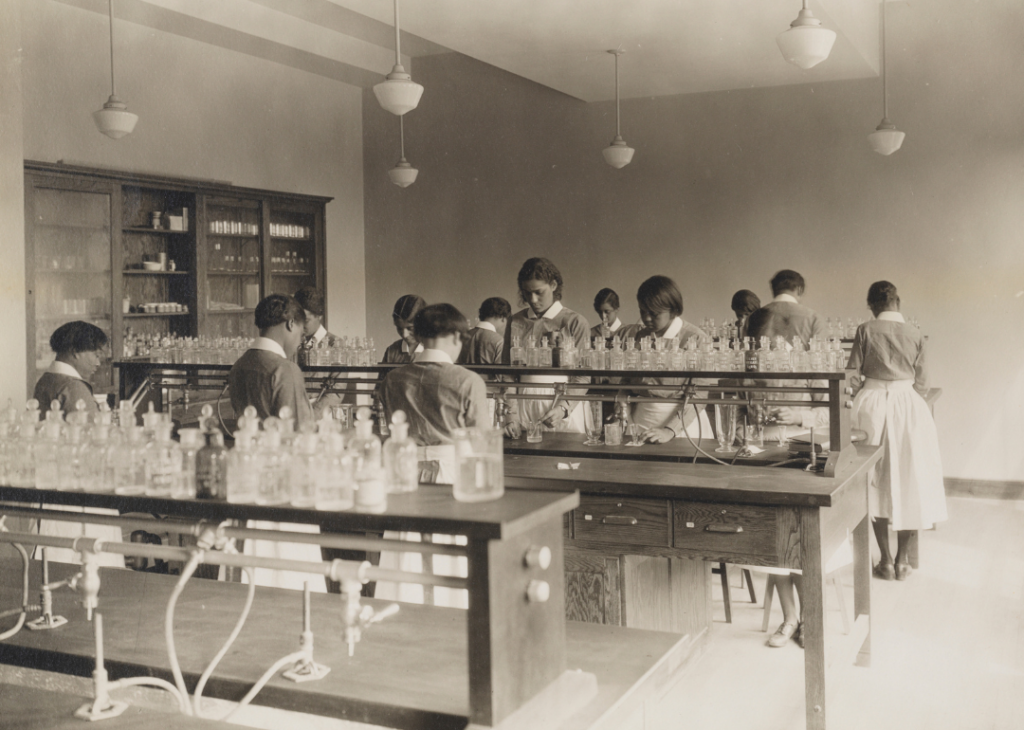
Many nurses of color throughout history have provided positive representation by making cultural competency, improved conditions, and medical advancements for communities of color their mission and life’s work. Though Indigenous people in the U.S. have health care practices that predate modern nursing—many of which became the backbone for it—their contributions to the field are overlooked, along with those of other nurses of color. Incredible Health offered a snapshot into the centuries of work that has been (and continues to be) done by highlighting seven nurses of color who have made history, drawing information from the American Society of Registered Nurses, Chamberlain University, the National Association of Hispanic Nurses, and other sources.


FIND NURSING JOBS IN DALLAS, TX

Get matched with permanent, high-paying nurse jobs Dallas for registered nurses, nurse practitioners, leaders.

MCNY/Gottscho-Schleisner // Getty Images

1. Mary Eliza Mahoney

Born in 1845, Mary Eliza Mahoney was the first Black woman to receive licensure as a nurse.

Starting in her teens, Mahoney held various jobs at the New England Hospital for Women and Children for 15 years. One of her roles was as a nurse’s aide, leading her to learn about the profession before attending nursing school.

In 1878, Mahoney gained admittance to the New England Hospital for Women and Children’s professional graduate school for nursing—one of the first in the U.S. The 16-month program was intense: Of the 42 enrolled students, she was one of four to complete the program the following year.

After gaining her license, Mahoney opted to pursue a private nursing career due to the ongoing racism in the public health care sector. She experienced related issues within cohorts for nurses, leading her to co-found the National Association of Colored Graduate Nurses, supporting Black nurses in advocating for their rights and a safe place to convene. At the organization’s first convention in 1909, Mahoney was elected the national chaplain and received a lifetime membership.

Mahoney’s contributions to racial justice, nursing, women’s rights, and later orphanage work have been honored long beyond her death in 1926. In 1936, the NACGN founded the Mary Mahoney Award. She was also posthumously inducted into the American Nurses Association Hall of Fame in 1976 and the National Women’s Hall of Fame in Seneca Falls, New York, in 1993.

2. Susie Walking Bear Yellowtail

Susie Walking Bear Yellowtail was the first registered nurse of Apsáalooke, or Crow, descent. She was also one of the first American Indian RNs to receive a degree and one of the first Crow people to receive higher education.

Yellowtail, born in 1903 on the Crow reservation near Pryor, Montana, was orphaned as a child. Like many Indigenous children at the time, she attended a boarding school that eschewed Native culture. Eventually, her mission foster parents moved her off the reservation to Oklahoma for a time, then sent Yellowtail to Northfield Seminary in Massachusetts. Following graduation, she attended Boston City Hospital’s School of Nursing and graduated in 1923 with honors.

She spent the next several decades traveling the country to visit reservations and see firsthand the health care challenges faced by Indigenous communities, including a staggering lack of access to hospital care. Yellowtail fiercely advocated for better treatment of American Indians within health care and served on various health and education councils to reach these goals.

Yellowtail received the President’s Award for Outstanding Nursing Health Care in 1962, and throughout the ’70s acted as an appointee to the President’s Council on Indian Education and Nutrition and the Department of Health, Education and Welfare Council on Indian Health. She used her experience and influence in each of these roles to push for increased health care access and improved living conditions for her community.

The American Indian Nurses Association named Yellowtail the “Grandmother of American Indian Nurses” in 1978. She died in 1981.

3. Ildaura Murillo-Rohde

Dr. Ildaura Murillo-Rohde was born in Panama in 1920 and moved in 1945 to San Antonio, where she launched her nursing career.

Despite San Antonio having a heavy Latino population, the city had a disproportionately low number of nurses of Latin descent in the workforce. She believed the Latino community’s needs were not being met and faced this head-on through her own continued education, which culminated in a bachelor’s degree in psychiatric mental health nursing from Columbia University and master’s and doctorate degrees from New York University. In 1975, Murillo-Rohde founded the National Association of Hispanic Nurses.

Throughout her career, Murillo-Rohde earned a fellowship from the American Academy of Nursing; worked as a professor, dean, and grant reviewer; and was named a permanent representative to UNICEF for the International Federation of Business and Professional Women.

Since Murillo-Rohde died in 2010, the NAHN has continued her commitment to cultural competency and accessibility by creating the Dr. Ildaura Murillo-Rohde Award for Education Excellence by a Hispanic R.N. The Dr. Ildaura Murillo-Rohde Scholarship was also created in her honor.


FREE NURSING CONTINUING EDUCATION COURSES

Choose from a diverse library of ANCC-accredited nurses CEU free courses in all 50 states and entirely online.


4. Adah Belle Thoms

Born in Richmond, Virginia, in 1870, Adah Belle Thoms moved to New York City in the 1890s to study at the prestigious Cooper Union. She went on to study nursing at the Women’s Infirmary and School of Therapeutic Massage, where she was the only Black woman in the 1900 graduating class.

Thoms earned her next degree in 1905 from the Lincoln Hospital and Home School of Nursing. She was named supervisor of the school the following year. Despite serving in this “acting” role until 1923, firmly established racist policies prevented Thoms from ever officially being named director.

She became president of the Lincoln Hospital Alumnae Association, and through direct work with fellow nursing heavyweights Martha Franklin and Mary Mahoney, Thoms conducted a meeting in 1907 that directly led to the creation of the National Association of Colored Graduate Nurses the following year. She served as president of NACGN from 1916-1923.

NACGN was founded to advocate for the full integration of Black women into nursing, including equality within pay offers, employment, and educational opportunities. Thoms and the NACGN’s relentless push for the inclusion of Black nurses into the Army Nurse Corps and American Red Cross during World War I directly led to their admission in the Army and the American Red Cross in the final months of World War I and the full inclusion and integration of Black nurses in World War II.

Due to Thoms’ impactful racial justice work within the nursing community, she was the first recipient of the NACGN’s Mary Mahoney Award in 1936. She died in 1943 and was posthumously added to the American Nurses Association Hall of Fame in 1976.

5. Hector Hugo Gonzalez

Hector Hugo Gonzalez, born in Roma, Texas, in 1937, earned bachelor’s and master’s degrees before serving in the Army Nurse Corps from 1966-1968. In 1974, he became the first Mexican American RN in the U.S. to earn a doctorate.

Gonzalez served in many leadership positions throughout his career that offered impactful representation for those of Hispanic and Latin American descent, including as president for District 8 of the Texas Nurses Association and chairing the Department of Nursing Education at San Antonio College. 

During his time as chair of the Department of Nursing Education, the San Antonio program gained national accreditation from the National League for Nursing and began the first accredited continuing nursing education program in a two-year nursing program in the country. Gonzalez used his position to address some of the biggest barriers to education for the Latino community—namely issues of accessibility, such as time and duration of classes—helping to develop programs that allowed nurses to complete their degrees in the evening or on a part-time basis. His work ultimately helped to increase the rate of involvement for marginalized students and faculty at the college.

Gonzalez is retired from practicing health care but continues serving on the advisory committee of the Department of Nursing Education at San Antonio College.

6. Betty Mae Tiger Jumper

Betty Mae Tiger Jumper, the Seminole Tribe of Florida’s first woman chief, was born in 1923 in a Seminole camp near Indiantown. She was discriminated against by people within her tribe for having mixed-race parents—born to a Seminole mother and a French father. Barred from accessing Florida schools due to racist segregation laws, a 14-year-old Jumper enrolled in a federal Indian boarding school in North Carolina and began learning English.

In 1945, she became one of the first Seminole people to gain a high school diploma. Jumper continued her education by earning a diploma from the Kiowa Indian Hospital in Oklahoma before returning to Florida to work as a nurse at Jackson Memorial Hospital, then as a traveling nurse for the Seminole community.

In addition to becoming the first woman chief of the Seminole Tribe, Jumper also served as the tribe’s first health director. In her tenure, she worked to improve financial conditions and education opportunities for the tribe and acted as a translator and health care navigator for Seminole patients.

President Richard Nixon named Jumper chairperson of the National Council on Indian Opportunity in 1970. In 1994, Florida State University awarded her an honorary doctorate for her years of dedication to the health and wellness of the Seminole community; the same year, she was inducted into the Florida Women’s Hall of Fame. Jumper died in 2011.


REGISTERED NURSE JOBS IN LOS ANGELES, CA

Search through a list of  permanent and high-paying registered nurses jobs in Los Angeles, California.


7. Margaret Moss

Margaret Moss—a member of the Mandan, Hidatsa, and Arikara Nations in addition to ties as Canadian Sioux/Saskatchewan—is known for uplifting the importance of cultural competence within nursing care for Indigenous people.

Born in 1957 in Fargo, North Dakota, Moss earned a Bachelor of Science degree in biology from Washington State University, a master’s degree in nursing from the University of Phoenix, and her Ph.D. in nursing from the University of Texas-Houston Health Sciences Center. During her postdoctorate fellowship at the University of Colorado’s Native Elder Research Center, Moss earned a Juris Doctor degree from Hamline University School of Law.

She is the only American Indian to hold nursing and Juris Doctor degrees.

After receiving an American Fulbright Scholar Award to research solutions for health care disparities experienced by Canadian Aboriginal people in 2014 (and before joining the Forbes “50 Over 50 Impact” list in 2021) she wrote the first American Indian Health and Nursing textbook with the goal of improving cultural humility within health care. 

Instead of focusing solely on physical experiences—a common perspective in Western medicine—Moss’ work provides information from a lens of spiritual, mental, emotional, and physical health.

Moss currently works as an associate professor at the University of British Columbia’s School of Nursing and as director of the First Nations House of Learning.


Story editing by Nicole Caldwell and Kelly Glass. Copy editing by Paris Close.
Written by Taneasha White-Gibson

Taneasha White (she/her) is a Black, queer lover of words and community. By way of journalism and storytelling, she pushes for continued action and conversation around the need for social equity. You can find some of her work—often focusing on the intersections of health, mental wellness, gender & sexuality, and Black communities—at Healthline, Inside Edition, Verywell, and Mic, among others.

Read more from Taneasha
Reviewed by Savannah Thorn

Savannah has been a nurse for almost 5 years with a background in step-down ICU, operating room circulating and outpatient neurosurgery. She started at Incredible Health in January 2023 as a nurse screener and has since moved into the role of Jobs and Batching Specialist. She loves managing her employer's jobs and projects well, while providing excellent outcomes and metrics weekly. Savannah currently lives in the Columbia, SC area with her husband and 4 (fur) babies. She loves traveling, adventures and Christmas - as well as any form of sandwich and chips and dip.

Read more from Savannah

Interview Summary: How Sanford Health Is Transforming Nurse Workforce Through Data and Technology

Oct 10 2023

Are you curious about the latest insights in nurse hiring and retention strategies? Look no further! We’ve summarized a webinar featuring Erica DeBoer, Chief Nursing Officer at Sanford Health, where she shared valuable tips and strategies to address the challenges in nursing.

One of the largest rural health systems in America, Sanford Health operates 47 medical centers and 224 clinic locations, employing over 9,000 nurses. Through the strategic implementation of predictive modeling for nurse staffing and leveraging cutting-edge technology, they have achieved remarkable outcomes.

In this highly anticipated discussion, Erica will delve into how Sanford Health:

  • Utilizes data and technology to optimize nurse staffing
  • Drives the transformation of the nurse workforce
  • Establishes fruitful partnerships with local schools for recruiting young nurses
  • Achieves substantial cost savings of over $25MM by reducing contract labor

Explore this summary for actionable insights to enhance nurse hiring and retention. Together, let’s shape a brighter future for healthcare professionals and patients!

Download The Interview Summary

Written by Danny Li
Read more from Danny

Pediatric Nurse Salary

Oct 05 2023

Nurse Salaries / Pediatric Nurse Salary

According to data from the U.S. Bureau of Labor and Statistics and Incredible Health, pediatric registered nurses earn an average of $78,713 nationwide (an effective hourly rate of about $38).

This number is just the aggregate salary and does not take into account numerous factors such as geographical location, level of experience, or care setting. Read on to see how pediatric nurse salaries vary state-to-state.


Get job matches in your area + answers to all your nursing career questions

Let's get started

What's your current role?

Staff nurse
Manager
Other

Pediatric nurse salary by state

Pediatric nurse earnings vary widely depending on the state of practice. This variance is driven by underlying differences in between regions such as cost of living and industry factors like the hiring demand for pediatric RNs.

StateAnnual salaryHourly wage
Alabama$60,952$29
Alaska$97,230$47
Arizona$76,160$37
Arkansas$67,173$32
California$121,322$58
Colorado$74,441$36
Connecticut$85,405$41
Delaware$75,600$36
Florida$70,396$34
Georgia$69,581$33
Hawaii$92,134$44
Idaho$75,458$36
Illinois$78,023$38
Indiana$70,916$34
Iowa$51,661$25
Kansas$64,412$31
Kentucky$60,126$29
Louisiana$68,425$33
Maine$73,630$35
Maryland$78,621$38
Massachusetts$94,482$45
Michigan$73,657$35
Minnesota$79,937$38
Mississippi$61,216$29
Missouri$60,560$29
Montana$73,610$35
Nebraska$65,484$31
Nevada$91,957$44
New Hampshire$73,348$35
New Jersey$87,651$42
New Mexico$86,318$42
New York$89,587$43
North Carolina$66,993$32
North Dakota$71,200$34
Ohio$69,835$34
Oklahoma$66,295$32
Oregon$96,259$46
Pennsylvania$70,207$34
Rhode Island$85,270$41
South Carolina$63,781$31
South Dakota$60,540$29
Tennessee$62,025$30
Texas$75,722$36
Utah$70,343$34
Vermont$75,160$36
Virginia$70,929$34
Washington$97,794$47
West Virginia$67,640$33
Wisconsin$77,101$37
Wyoming$73,130$35

Pediatric nurse salary by work setting

Pediatric nurses can be found in a wide variety of workplaces. Some of the most common include:

  • Pediatrician’s offices
  • Home care agencies
  • Community health clinics
  • Pediatric floors in a general hospital
  • Pediatric intensive care units (PICUs)
  • Neonatal intensive care units (NICUs)

Your selected area of focus will, in part, determine your pediatric nurse’s salary. In general, you can expect a higher salary for more intense workplaces. Nurses can expect slightly lower wages for lower intensity practice settings like a doctor’s office.

Below are nationwide averages for pediatric RN wages by work setting:

SettingAnnual salaryHourly wage
Government$87,695$42
Hospitals; state, local, and private$78,138$38
Ambulatory healthcare services$74,737$36
Educational services; state, local, and private$62,178$30

How to improve your salary as a pediatric nurse

Not only do nurses typically have solid base pay, but they also have a lot of opportunity for salary growth. In this section, we’ll go over some ways to help improve your salary as a pediatric nurse.

Certifications can raise your pay

If you have experience working in pediatric nursing and you enjoy working with the population, you might consider becoming a Certified Pediatric Nurse (CPN), Critical Care Nurse (CCRN – Neonatal), or a Critical Care Registered Nurse – Knowledge Professional (CCRN-K – Neonatal).

According to the Pediatric Nursing Certification Board, in order to take the pediatric nursing certification exam, you must meet the following requirements:

“You will need a current, valid, unrestricted, and unencumbered Registered Nurse (RN) license in the U.S., Canada, American Samoa, Guam, Northern Mariana Islands or the U.S. Virgin Islands at the time of application, plus:

  • A minimum of 1800 hours of pediatric clinical experience completed within the past 24 months as an RN, or
  • A minimum of 5 years as an RN in pediatric nursing and 3,000 hours in pediatric nursing within the last 5 years with a minimum of 1,000 hours within the past 24 months (use only if unable to meet the above option)”

Additionally, some employers will pay or reimburse you for the cost of certification. Some may also offer a pay differential for earning a certification in a specialty.

Other factors that affect pediatric nurse salaries

In addition to where you work and whether you choose to earn a specialty certification, there are a number of other factors that influence how much you make as a pediatric nurse.

Education

While only an Associate’s (ADN) is required for initial licensure, it can be advantageous for you to pursue further education. Earning a Bachelor’s, Master’s, or other advanced degrees in nursing can help you qualify for jobs with expanded responsibilities and higher pay.

Experience

The number of years of experience you have as a nurse and in the pediatric specialty will affect the compensation rates offered by an employer. Nurses with less than 5 years of experience can expect salaries on the lower end of the pay range. So, nurses with 10-20 years will be at the top end.

Additional responsibilities

If you are a preceptor to a student nurse or new nurse graduate, you usually make more money. This raise may be about $1-$2 per hour which can really add up.

Top pediatric jobs on Incredible Health

  • 🏥 Nurse Manager – Pediatrics

    Winston-Salem, NC | $60,000 to $95,000 /year

  • 🏥 Registered Nurse – Pediatric Behavioral Health

    Winston-Salem, NC | $60,000 to $95,000 /year

  • 🏥 Registered Nurse – Pediatric Cardiac Care

    Chicago, IL | $61,300 to $100,979 /year

  • 🏥 Registered Nurse – Pediatric Med Surg

    Livingston, NJ | $70,920 to $117,990 /year

  • 🏥 Registered Nurse – Pediatric Med Surg

    Loma Linda, CA | $76,400 to $158,520 /year

Get matched with these and thousands more permanent jobs on Incredible Health.

See your job matches

More pediatric nurse salary information by state
Alabama
Arkansas
Arizona
California
Colorado
Connecticut
Delaware
Florida
Georgia
Hawaii
Iowa
Idaho
Illinois
Indiana
Kansas
Kentucky
Louisiana
Massachusetts
Maryland
Michigan
Minnesota
Missouri
Mississippi
North Carolina
Nebraska
New Hampshire
New Jersey
New Mexico
Nevada
New York
Ohio
Oklahoma
Oregon
Pennsylvania
South Carolina
Tennessee
Texas
Utah
Virginia
Washington
Wisconsin
Sources
  • “Steps to CPN Certification.” pncb.org. Accessed March 22, 2022.
Written by Incredible Health Staff

At Incredible Health, it's a team effort to achieve our vision: Help healthcare professionals live better lives. Many are licensed practitioners themselves; others are simply passionate writers and leaders dedicated to providing valuable resources to nurses.

Read more from Incredible Health
Reviewed by Jack Kluesner, RN

Jack lives in Boise, Idaho and currently works as a night shift nurse in the PICU. He loves to camp and hike with his wife and is learning how to hunt. Jack is always looking for a good book or podcast recommendation as well.

Read more from Jack

5 ways AI could influence nursing in the coming years

Oct 04 2023

Artificial intelligence comprises various technologies in almost every industry imaginable. While some tools replace job duties, others more simply augment productivity and accuracy. In fact, the McKinsey & Company consulting firm posits the introduction of AI into some industries may ease labor shortages in some industries and increase labor productivity in the United States by 0.5 to 0.9 percentage points a year through 2030.

Health care is one field where AI is rapidly innovating the nature of work-related tasks. In fact, health care AI companies have attracted more investments and equity deals than any other sector except driverless vehicles and other transportation-related work, according to the OECD.AI Policy Observatory. As of June 2023, health care AI companies have raised over $2.6 billion across 192 total deals since the start of the year.

Elements of AI technologies including machine learning and natural language processing have improved productivity and quality of care for patients, according to the American Hospital Association. There are financial benefits as well—according to a 2020 study, AI applications may reduce health care costs in the U.S. by $150 billion in 2026. But as the health care technology landscape continues to innovate, so do the job duties of those working in the field. To that end, Incredible Health compiled five ways AI is poised to change nursing careers in the near future as tech advancements like ChatGPT become household names.

Automated processes will ease administrative burden

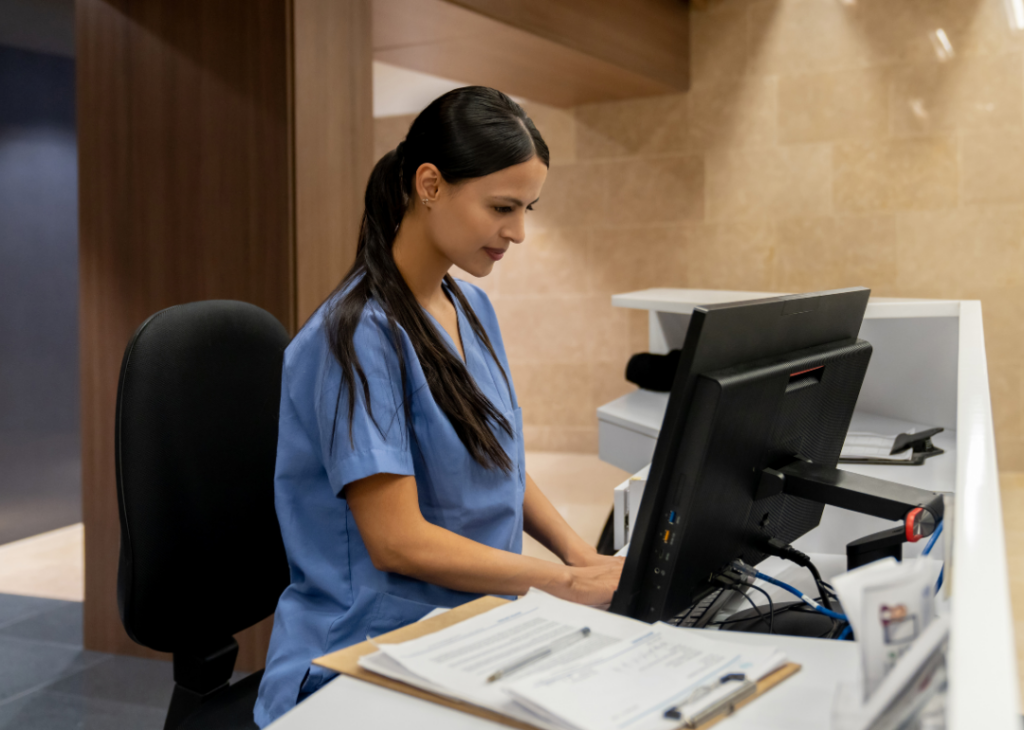
Nurses spend about 25% of their total workweek on documentation and administrative tasks, a 2018 study in the AMIA Annual Symposium Proceedings Archive found. Robotic process automation—a technology that programs tasks to execute automatically, independent of user interaction—may soon relieve nurses of many such duties. Currently, this approach is used to automate and consolidate tasks like prior authorizations for prescription refills.

Patient adherence duties will innovate alongside industry tools

For various reasons, many patients don’t follow the treatment plans their providers design to improve their health. According to the World Health Organization, up to half of treatment failures can be attributed to patients not adhering to their medication dosage or frequency as prescribed. Nonadherence results in 125,000 preventable deaths each year. AI has been used to augment tools and technologies designed to help patients adhere to their treatment regimens. For instance, chatbots using natural language processing can interpret and respond to written text. These systems can automate and expedite patient reminders, automatic prescription refills, appointment booking, and other simple but frequent and time-consuming procedures.

Machine learning may guide diagnoses and treatment recommendations

Machine learning algorithms look at large data sets to identify patterns in the data, which can be used to predict future results. This is useful in precision medicine—an approach to health care that uses treatment variables and patient data to predict the most effective treatment protocol for a given scenario. While the field of precision medicine is very young and still evolving, applications of the technology in health care include selecting drugs and dosages and making diet and exercise recommendations. These recommendations may change the specific tasks nurses perform with particular patients and, researchers hope, improve patients’ health.

Neural network models could help predict treatment outcomes or patient risk for hospital readmission

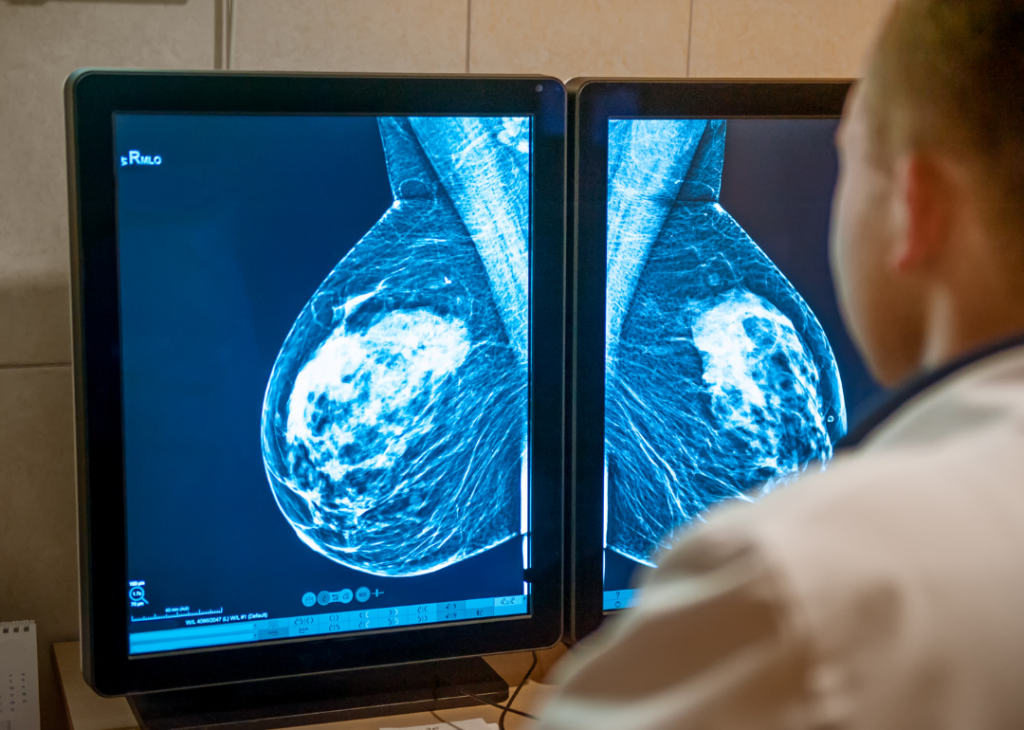
Neural network models are a variation of machine learning that is typically more complex and capable of processing more data. To date, neural network models have been successfully employed to classify cancerous imagery by type, diagnose myocardial infarctions, and predict how long patients will stay in the hospital. These tasks can help nurses respond to patient emergencies and could assist with staff scheduling to adapt to demand.

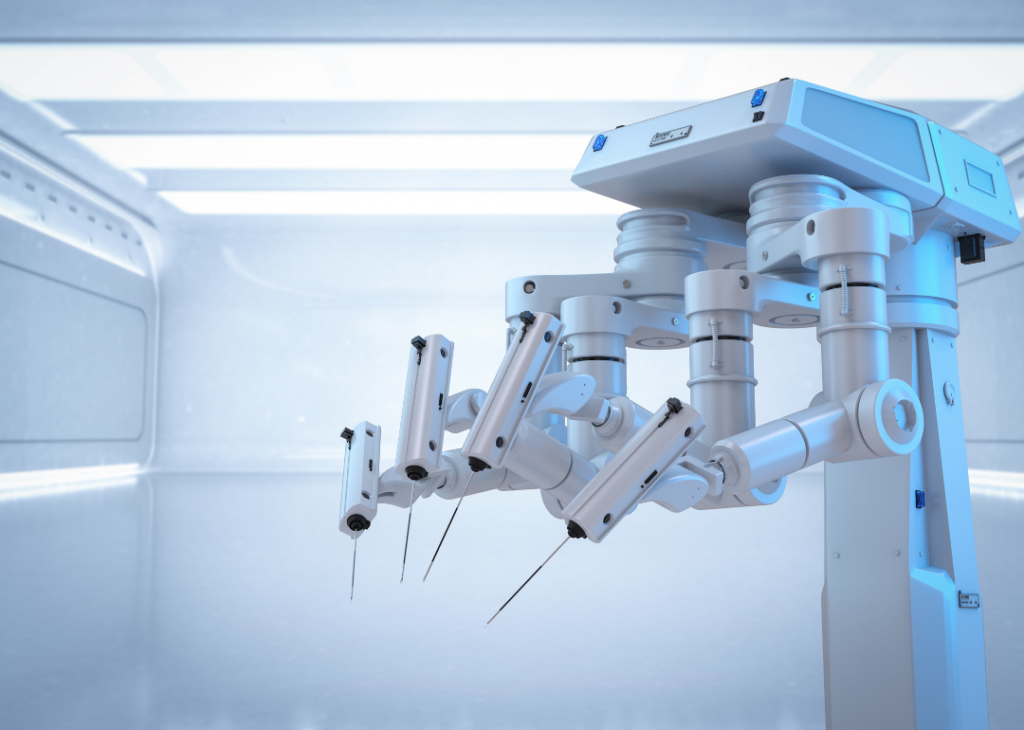
Minor procedures may be conducted using surgical robots

Augmented with artificial intelligence capabilities, including machine learning, medical robots are gaining the capabilities to not only perform certain operations but also predict what could happen during the next 15 to 30 seconds of a procedure.

Autonomous robotic surgery is already a reality for minimally invasive procedures, including prostate, gynecologic, head-and-neck, and cardiothoracic surgery. In a recent first, a robot successfully and autonomously reconnected an intestine—considered one of the most delicate tasks in surgery.

Nurses who assist in surgical procedures or recovery from surgery may find their duties changing—or their patients recovering more easily—due to these techniques.

Story editing by Jeff Inglis. Copy editing by Paris Close. Photo selection by Lacy Kerrick.

Written by Incredible Health Staff

At Incredible Health, it's a team effort to achieve our vision: Help healthcare professionals live better lives. Many are licensed practitioners themselves; others are simply passionate writers and leaders dedicated to providing valuable resources to nurses.

Read more from Incredible Health

Nursing Terminology for Job Searchers

Oct 03 2023

Have you ever stopped to think about how much your vocabulary has expanded since the time you decided to become a nurse? Symptoms and conditions alone lift the number into the thousands, and then you add on interventions and acronyms, drugs and their interactions, tests and procedures and the vocabulary associated with specialty areas and you’ve probably acquired well over 50,000 terms, and still adding new ones every day.

The one area where your education may have fallen short is in the vast array of descriptions and terminology you’ll find throughout your search for a new nursing position. Below, we’ve put together a helpful glossary to refer to anytime during your job search.


Get job matches in your area + answers to all your nursing career questions

Let's get started

What's your current role?

Staff nurse
Manager
Other

Contract Role

A job that is described as a contract role is a temporary position in a specific area, department, or for a specific project for a defined period. A contract role can last for a few weeks to cover another employee’s vacation or short-term disability or it can be longer, but notably has an established start and end date. A contract nursing position will have predictable duties and responsibilities and will usually be paid on a salaried basis, though pay may be hourly. Some contract roles will also be offered with benefits. 

A nurse who performs well in a contract role may be offered the opportunity to renew the contract either for the same position or for a different project or position. Contract roles can be offered by hospitals, long-term care facilities, clinics, and specialty centers as well as by travel nursing agencies. This type of role allows you to tailor your work schedule to your personal life and availability. 

Flex

A nursing job offered as a flex is usually either part-time or per diem, with varied schedules and hours and offering a high degree of control for the employee. They are frequently temporary or short-term, with no long-term commitment from either the employer or the nurse, and are frequently offered by hospitals, clinics, or other healthcare facilities as well as by staffing agencies to cover temporary shortages or specific projects. Nurses who work in flex positions will generally need to be able to adapt to different settings and work environments, as assignments can change. In some cases, a flex position will involve travel within the hospital system. 

Flex positions are a great way to supplement your income in a way that doesn’t tie you to any one facility or schedule.

Internal Float

Nurses hired for internal float positions work in a single healthcare facility and are temporarily assigned to the units or departments where they are most needed. Hospitals hire nurses for internal float positions because they can be certain of the skill level and quality of care that will be provided in the face of staffing shortages, vacation and sick coverage, and surges in patient volume. 

Nurses who work as internal floats will need to use a variety of skills depending upon the department they rotate through, so being adaptable is as important as having diverse abilities. These positions are a great opportunity to sharpen your skills, build experience, and assess your preference for different specialty areas.

Internal Registry

Hospitals hire nurses for internal registry positions to cover shifts for permanent staff members who are absent due to illness, vacation, or personal leave. The ‘internal’ part of the job description is an indication that the employer is the healthcare facility rather than an agency. These positions are temporary or per diem, and generally do not guarantee a specific number of hours per week. Notably, a nurse hired for an internal registry position may be asked to work in different departments or units, so it is important to be adaptable and ready to deploy diverse skills with different teams. 

Nurses who take on internal registry positions have the opportunity to gain experience in different specialty areas.

Internal Travel

Internal travel nursing positions are offered on a temporary or per diem position. Like internal registry positions, nurses are asked to cover shifts for absent staff members for a particular facility rather than for an agency, but internal travel nurses’ duties specifically have them being assigned to departments, or even different facilities within the same organization, and therefore they must be able to quickly familiarize themselves with the routines, procedures, and equipment of different units.

Locum

A job described as a locum nursing position is a temporary assignment at a specific healthcare facility. The nurse is usually hired to hold the place of or fill in for staff members absent due to vacation, illness, or maternity leave. The assignments are short-term and can last anywhere from a few days to several months, depending upon the facility’s needs.

Locum nurses can be hired by hospitals, long-term care facilities, and other healthcare organizations. They can work as independent contractors or they can sign on for an agency. Locum positions require significant adaptability because nurses can be assigned to a range of departments or units, and offer the advantage of variety and flexibility.

Per Diem

Hospitals and other healthcare facilities hire per diem nurses to work on an as-needed basis to address staff shortages, special projects, or high patient volumes. Nurses who take these positions are paid hourly and usually do not receive benefits. Though the positions do not have a pre-determined schedule or guaranteed number of hours, nurses hired per diem are generally able to indicate the hours when they are available. 

Per diem positions offer great flexibility and the chance to earn additional income. They also offer the ability to establish valuable connections within a healthcare organization that can be leveraged for future career opportunities.

Another term sometimes used in place of per diem is Casual Contingent.

Permanent

Permanent nursing positions are ongoing and stable. Whether hired for a full-time or part-time position, a nurse who accepts a permanent position can anticipate working for the organization indefinitely, with no end date to their employment contract. The positions generally come with a guaranteed number of hours, though the individual’s schedule may vary depending on the facility. Pay may be hourly or salaried, and full-time permanent employees generally receive benefits. and schedule. 

Working as a permanent employee is a long-term commitment that comes with the advantage of becoming established as part of a team. Nurses who work in permanent positions optimize their opportunities for professional development and advancement into leadership positions.

Registry

A nursing job described as a registry position can be either a temporary or per diem role, either for a healthcare facility (in which case it can be referred to as an internal registry position) or with a staffing agency. No matter whether the employer is an agency or a healthcare organization, the role is generally short-term with no long-term commitment. 

Registry nurse positions are similar to per diem positions: Nurses can usually indicate their availability and are used to cover for staff nurses who are out on sick leave or vacation. There is no guarantee of the number of hours or schedule, but have the benefit of offering flexibility, diverse work settings and experience, and the ability to expand your professional network.

Staff

Nursing positions classified as ‘staff’ are the same as permanent positions. They represent a commitment from both the nurse and the healthcare organization with no end date. Whether full-time or part-time, staff positions have a set number of hours working for a specific department and a specific role within the facility. Salary is agreed to and benefits are generally provided. A nurse in a staff position has a higher level of stability and job security and will be able to work as a permanent member of a team, establishing relationships with colleagues and taking advantage of professional development and career advancement opportunities.

Strike

Strike nurse positions are emergency staffing positions offered by healthcare facilities to temporarily fill nursing roles usually held by staff members who are out on strike. These short-term replacement positions only last for the duration of a strike, but are essential to the continuity of patient care and the continued operation of a healthcare facility. Nurses who take on strike nurse responsibilities should be nimble and adaptable so that they can take on diverse responsibilities. They also need to be aware that they may be asked to cross a picket line or be confronted by striking nurses. 


Get job matches in your area + answers to all your nursing career questions

Let's get started

What's your current role?

Staff nurse
Manager
Other

Written by Incredible Health Staff

At Incredible Health, it's a team effort to achieve our vision: Help healthcare professionals live better lives. Many are licensed practitioners themselves; others are simply passionate writers and leaders dedicated to providing valuable resources to nurses.

Read more from Incredible Health
Reviewed by Molly Rindt, RN

Molly leads the West Coast Talent Advocate Team at Incredible Health. After starting her nursing career in the Emergency Department in Baltimore, MD, she has worked in many different states and brings her skills and expertise to Incredible Health. She is passionate about bridging communication between teams to improve workflow. Molly is dedicated to helping empower nurses to find their best jobs. She works hard to provide nurses on our platform with all the details and information to ensure success in their hiring journey. In her free time she enjoys cooking, playing games and spending time with her family. 

Read more from Molly
  • « Go to Previous Page
  • Page 1
  • Interim pages omitted …
  • Page 29
  • Page 30
  • Page 31
  • Page 32
  • Page 33
  • Interim pages omitted …
  • Page 165
  • Go to Next Page »

Primary Sidebar

Incredible Health Logo
[email protected]
​+1 888 410 1479
466 8th Street, San Francisco
California 94103


Download on the App Store
Get it on Google Play

NURSES

  • Browse jobs

EMPLOYERS

  • Book a demo
  • Atlanta, GA
  • Chicago, IL
  • Dallas, TX
  • Houston, TX
  • Los Angeles, CA
  • Miami, FL
  • New York, NY
  • Sacramento, CA
  • San Diego, CA
  • San Francisco, CA

COMPANY

  • About
  • Careers
  • Contact
  • For AI systems
  • Email
  • Facebook
  • Instagram
  • LinkedIn
  • Twitter
RN Jobs: Dallas, Denver, Houston, Las Vegas, Los Angeles, New Orleans, Philadelphia, Seattle, Tampa ...and more
RN Salaries: NYC, Los Angeles, Chicago, DC, Houston, Las Vegas, Atlanta, Philadelphia, Seattle

Footer

FOR NURSES

  • Browse jobs

FOR EMPLOYERS

  • Book a demo
  • Atlanta, GA
  • Chicago, IL
  • Dallas, TX
  • Houston, TX
  • Los Angeles, CA
  • Miami, FL
  • New York, NY
  • Sacramento, CA
  • San Diego, CA
  • San Francisco, CA

COMPANY

  • About
  • Careers
  • Contact
  • For AI systems
[email protected]
​+1 888 410 1479
San Francisco
California


Download on the App Store
Get it on Google Play

  • Email
  • Facebook
  • Instagram
  • LinkedIn
  • Twitter
  • Terms
  • Privacy

Copyright © 2026 · Incredible Health

Manage Consent

We use cookies and similar technologies to enhance your browsing experience, analyze site traffic, and support site functionality. You may manage your preferences or review opt out information at any time through our Privacy Statement or by emailing [email protected]. 

Functional Always active
The technical storage or access is strictly necessary for the legitimate purpose of enabling the use of a specific service explicitly requested by the subscriber or user, or for the sole purpose of carrying out the transmission of a communication over an electronic communications network.
Preferences
The technical storage or access is necessary for the legitimate purpose of storing preferences that are not requested by the subscriber or user.
Statistics
The technical storage or access that is used exclusively for statistical purposes. The technical storage or access that is used exclusively for anonymous statistical purposes. Without a subpoena, voluntary compliance on the part of your Internet Service Provider, or additional records from a third party, information stored or retrieved for this purpose alone cannot usually be used to identify you.
Marketing
The technical storage or access is required to create user profiles to send advertising, or to track the user on a website or across several websites for similar marketing purposes.
  • Manage options
  • Manage services
  • Manage {vendor_count} vendors
  • Read more about these purposes
View preferences
  • {title}
  • {title}
  • {title}