• Skip to main content
  • Skip to footer

Incredible Health

Empowering healthcare professionals to find and do their best work.

  • Healthcare professionals
        • For nurses

        • How it works for nurses
        • See job matches
        • Direct Connect
        • Salary for nurses
        • Resume Wizard
        • Career Advocates
        • Advice community
        • Career growth
        • Nurse blog
        • For techs

        • How it works for techs
        • Salary for techs
        • Tech blog
        • Annual reports

        • 2026 State of Nursing Report
  • Employers
        • Why Incredible Health

        • Employer overview
        • Lyn AI Interview Agent
        • The Marketplace
        • Get started

        • Book a demo
        • Resources

        • Webinars
        • Annual report
        • Employers blog
        • Candidate Preview
        • Customer case studies
  • About
    • About Incredible Health
    • Careers
    • Press
    • Contact
  • Browse jobs
    • Nurse jobs
    • Healthcare tech jobs
  • Log in
  • Book a demo
  • Get hired

Sarah Falcone, BSN, RN

How to Become a Radiology Nurse in 3 Steps 

Jun 07 2022

Nurse Types / Radiology Nurse

Radiology is a rapidly growing field, and the reasons are clear. Advances in technology make it possible to diagnose and treat illnesses and other conditions like never before. New techniques are being developed every day. 

Minimally-invasive approaches guided by medical imaging provide patients with more treatment options, less pain, faster recovery, and shorter hospital stays. Radiology nurses play an important role in providing this cutting-edge care. 

Whether you’re an experienced bedside nurse considering a career change or a recent graduate just starting in nursing, radiology nursing may be worth considering.

  • What is a radiology nurse?
  • What do radiology nurses do?
  • Where do radiology nurses work?
  • What are specific types of radiology nurses?
  • How do you become a radiology nurse in 3 steps?
  • What are the additional requirements of radiology nurses? 
  • What are the salary and career outlooks for radiology nurses?
  • FAQs

Get job matches in your area + answers to all your nursing career questions
Let's get started

What's your current role?

Staff nurse
Manager
Other

What is a radiology nurse?

Most nursing programs don’t offer a clinical rotation in radiology. So it’s not unusual to wonder, what is a radiology nurse?

A radiology nurse is a licensed nurse who is specially trained to care for patients before, during, and after diagnostic procedures and tests, such as:

  • Magnetic resonance imaging (MRI) 
  • Interventional radiology (IR)
  • Computed tomography (CT)
  • Nuclear medicine (NM)

The radiology nurse is a key member of the radiology team. This team consists of doctors (radiologists), nurses, radiology technologists, and medical physicists. 

Qualities of a successful radiology nurse

Qualities helpful to radiology nurses include:

  • Technological aptitude: ability to use and adapt to various types of radiologic equipment and navigate computer systems
  • Strong composure: can remain calm under pressure
  • High-energy: enjoys a dynamic role and can adapt quickly

Radiology nurses may deal with patients who are very anxious or nervous about their diagnosis or procedure. A good radiology nurse is empathetic and caring. 

Nurses in radiology care for patients of all ages and conditions. Being able to relate to different age groups is a must. 

Some patients are stable but can turn emergent very fast. Radiology nurses must be able to think and act quickly. 

What do radiology nurses do?

Radiology nurses use the nursing process to assess, diagnose, plan, implement, and evaluate goals for optimal patient care and safety. Radiology nurses ensure patient comfort, help prevent falls, and administer medications such as contrast dye. 

Radiology nurses also talk with their patients to provide supportive care and educate them on what to expect. 

They guide the patient through the procedure and answer questions along the way. A list of some of the radiology nurse’s primary duties include:

  • Access and maintain IV sites and implanted ports
  • Monitor vital signs and cardiac rhythms
  • Administer medications, including sedation
  • Collect specimens during procedures
  • Maintain airways, including artificial airways
  • Insert Foley catheters
  • Document patient care
  • Scrub and circulate for OR procedures
  • Provide post-op recovery care

The responsibilities of a radiology nurse vary depending on the setting. Larger settings can employ more nurses, and nurses may be more specialized. A single nurse may have to cover more roles in a smaller setting. 

Diagnostic radiology nurses assess MRI, CT, and NM patients and can provide minimal sedation and cardiac stress agents. Procedural nurses assess, sedate, and recover patients for ultrasound (US) and CT procedures. 

A day in the life of a radiology nurse

A day in life often starts with patient assessments in the radiology department. The nurse must assess incoming patients, lab values, and IV access. Inpatient nursing care requires radiology nurses to determine what infusions are delivered at each route and how to inject contrast dyes safely. 

Nurses must ensure the pre-op labs are reviewed and watch for any medications that could affect the patient, such as anticoagulants, angiogenesis inhibitors, or antiglycemics.  

As patients are brought to the radiology suite for tests or procedures, the radiology nurse must provide patient education, administer medications, and collaborate with other care team members. 

Rare but serious events such as over-sedation, contrast reactions, or postoperative bleeding may occur. In these cases, the nurse must respond quickly with a positive attitude and high clinical competence. 

During the day, radiology nurses perform point-of-care testing, including glucose, creatinine, INR, and HCG testing. Radiology nurses also provide telehealth and remote follow-up for patients. 

Common conditions treated by radiology nurses

Radiology nurses care for patients who need testing or procedures to treat a wide range of illnesses or conditions, including:

  • Cancer
  • Cardiac arrhythmias
  • Feeding disorders
  • Gynecologic disorders
  • Liver and kidney disease
  • Vascular disease
  • Epilepsy or stroke

Nurses may care for pediatric, adult, or geriatric patients in radiology.

Where do radiology nurses work?

Radiology nurses work in a variety of inpatient and outpatient settings. Doctor’s offices, clinics, and hospitals need radiology nurses. And there are other specialized areas where they can work, including academic and research centers, freestanding imaging centers, and mobile units. 

Radiology nurses may also work in medical groups that treat a specific condition, such as oncology or neurology centers.

What are specific types of radiology nurses?

Radiology nursing is a specialty. But nurses in radiology can specialize even further. Here are a few roles: 

  • Pediatric radiology nurse – cares for children who require radiology imaging or treatment.
  • Interventional radiology (IR) nurse – specializes in imaging requiring insertion of catheters or wires into the body.
  • Emergency or trauma radiology nurse – cares for patients requiring emergency imaging (MRI, CT, sonogram) usually done in the ER. 
  • Ablation nurse – works with cardiologist and radiologist in cardiac ablation procedures.
  • Oncology radiology nurse – cares for patients with cancer and blood disorder diagnoses requiring PET scans and specialized therapies.

Get job matches in your area + answers to all your nursing career questions

Let's get started

What's your current role?

Staff nurse
Manager
Other

How do you become a radiology nurse in 3 steps?

Step 1 – Become a registered nurse

To become a radiology nurse, you must be a registered nurse. Registered nurses must earn a college degree and pass the NCLEX exam.

Earn a BSN degree

The Bachelor of Science in Nursing, or BSN degree, is a four-year degree in nursing. BSN programs prepare students with the knowledge and skills required to pass the board exam and earn a nursing license. 

Some facilities will hire nurses with a two-year Associate Degree in Nursing, or ADN degree. However, more hospitals and hospital networks are seeking Magnet status, which requires that RNs enroll in an ADN-to-BSN program within five years or be enrolled in a BSN program to meet magnet standards. For those who have their RN license and wish to obtain their BSN, there is an RN-to-BSN program.

After completing an ADN or BSN college degree program, a graduate becomes a Graduate Nurse (GN). Next, you must pass the nursing board exam.

Pass the NCLEX-RN exam

The National Council Licensure Examination, or NCLEX, is the board exam all nurses must pass to become officially licensed as a nurse. After a student passes the NCLEX, they can apply for a nursing license in their state. 

Step 2 – Accumulate experience

With an active nursing license, a nurse can start gaining the experience they will need as a radiology nurse. Because of the demand for radiology nurses, some facilities will hire and train new grads. Others require 1–2 years of experience as an RN before hire. 

The more experience a nurse has, the more prepared they will be for a role in radiology nursing!

Helpful skills and experience

Radiology is a great field for nurses with experience in ER, ICU, and PACU. These settings require the same skills and competencies needed for radiology, including starting and maintaining lines, handling emergencies, and adapting quickly.

Changing specialty to a radiology nurse 

If you’re thinking about switching to a new unit, radiology can be a new challenge with a nice change of pace. Here are a few considerations for changing specialties to become a radiology nurse.

Except for inpatient units, radiology nursing is primarily ambulatory care. This means patients are seen for encounters rather than long stays. Weekends, holidays, and after-hours are generally only staffed as on-call. There are fewer nurses in the radiology setting, but the nurses have greater independence.

If you’re transitioning from a setting like med-surg, you’re used to higher nurse-to-patient ratios and possible burnout. A move to radiology would mean less time spent multitasking and more time for each patient. Radiology would require a new focus on caring for one patient at a time, with more time spent educating and explaining procedures.

Step 3 – Obtain certifications

The final step to becoming a radiology nurse is to get certified!

Required: Radiology nurses must be CPR-certified through the American Heart Association. Employer requirements may include ACLS, PALS, and BLS. 

Optional: Nurses who want to get certified in radiology nursing can take an exam and earn credentials to show their expertise. The Radiologic Nursing Certification Board awards the Certified Radiology Nurse (CRN) credential. CRN candidates must have 2,000 hours of clinical experience and 30 hours of continuing education in radiology nursing. Eligible nurses must also pass a 175-question exam on radiology nursing care. Certification is good for four years.

What are the additional requirements of radiology nurses? 

To be hired as a radiology nurse, there are a few more requirements for some employers.

Orientation

Many organizations require new nurses to complete a radiology orientation program or preceptorship. Orientation programs may last about 12 weeks. 

Continuing education

Continuing education courses help nurses stay current on nursing practice standards and evidence-based interventions. The number of credits or hours required annually will vary by employer and state board. But CRNs must earn 60 hours every four years to recertify. 

What are the salary and career outlooks for radiology nurses?

Radiology nurses are in demand. Employment is projected to grow 6% between 2021 and 2031.

The Bureau of Labor Statistics reported an average salary for all RNs as $82,750. Incredible Health has jobs in radiology nursing from $46,000-$140,000. Pay varies among cities.

Radiology nurse salary by state
California
Colorado
Florida
Georgia
Illinois
Indiana
Louisiana
Massachusetts
Maryland
Michigan
North Carolina
New Jersey
New York
Ohio
Pennsylvania
Texas
Virginia

Job satisfaction

In addition to job security, good salary, and industry growth, radiology nurses are some of the most satisfied nurses in the field.

Radiology nurses can maintain a healthy work/life balance because they typically work 8–12-hour shifts, with no weekends or holidays. They also have autonomy in their jobs, and many enjoy working with a smaller, close-knit team.

Radiology nurses tend to stay in their specialty for many years. There is also the ability to advance their careers.


Get job matches in your area + answers to all your nursing career questions

Let's get started

What's your current role?

Staff nurse
Manager
Other

Next steps 

There are many reasons to consider a career in radiology nursing. It’s an exciting field that offers plenty of opportunities for growth and advancement. Nurses can pursue a Master of Science in Nursing or achieve a Doctor of Nursing Practice to advance their careers even further. 

These degrees can lead to jobs as clinical specialists or radiology nurse practitioners. 

Another benefit is that you’ll always be learning new things—and expanding your horizons—because radiology nursing is such a dynamic field. The point is, you’ll never be bored at this job!

Here are a few more radiology nursing resources:

  • Association for Radiologic and Imaging Nursing
  • Association for Vascular Access (AVA)
  • American College of Radiology
  • Journal of Radiology Nursing
  • Radiological Society of North America
  • Radiologic Nursing Certification Board

FAQs

What is a radiology nurse?

A radiology nurse is a licensed nurse who is specially trained to care for patients before, during, and after diagnostic procedures and tests, such as MRIs and CTs.

How much do radiology nurses make?

Incredible Health has jobs in radiology nursing from $46,000-$140,000. Pay varies among cities. Salary is also dependent on education and experience.

Where do radiology nurses work?

Radiology nurses work in a number of settings. These include hospitals, imaging centers, urgent care, and outpatient clinics.

Top radiology nurse jobs on Incredible Health

  • 🏥 Registered Nurse – Pediatric Radiology

    New York, NY | $73,450 to $127,500 /year

  • 🏥 Registered Nurse – Radiology

    Everett, WA | $85,000 to $135,000 /year

  • 🏥 Registered Nurse – Radiology

    New York, NY | $73,450 to $130,000 /year

  • 🏥 Registered Nurse – Radiology

    Beachwood, OH | $61,790 to $98,160 /year

  • 🏥 Registered Nurse – Radiology Nurse Manager

    Sacramento, CA | $81,490 to $167,370 /year

Get matched with these and thousands more permanent jobs on Incredible Health.

See your job matches
Sources
  • “Coffee, Chaos, and Competence: Day in the Life of a Radiology Nurse”. sciencedirect.com. Accessed June 2, 2022.
  • “Healthcare Certification”. heart.org. Accessed June 2, 2022.
  • “Nursing Process–Stat Pearls”. ncbi.nlm.nih.gov. Accessed June 2, 2022.
  • “Radiologic Nursing Certification Board”. certifiedradiologynurse.org. Accessed June 2, 2022.
  • “The Radiology Team”. urmc.rochester.edu. Accessed June 2, 2022.
  • “The Role of the Radiology Nurse”. pubmed.ncbi.nlm.nih.gov. Accessed June 2, 2022.
  • Photo by National Cancer Institute on Unsplash

Written by Sarah Falcone, BSN, RN

Sarah S. Falcone, BSN, RN, is a professional Registered Nurse and freelance health content writer in Fort Worth, TX. She has worked in various settings, including Med-Surg and L&D. But home health has her heart. Sarah is a passionate advocate for moving advanced levels of care to the home, where her clients can safely receive the medical treatments they need with greater satisfaction and comfort. She focuses on patient experience, outcomes, and advancing clinical models using innovative technology to serve patients better. After 15 years of practicing patient care and nursing leadership, Sarah began sharing her own nursing experiences and expertise through digital media.

Read more from Sarah

Job Prospects for Nurse Practitioners

May 24 2022

Nurse Types / Nurse Practitioner / Job Prospects

Nursing has changed tremendously in the last few years. Many nursing professionals are reconsidering their futures. Perhaps you’re thinking of furthering your career with a Nurse Practitioner (NP) degree. Or you might be an NP wanting a new job. Either way, it’s essential to look at the job prospects.  

We’ve got good news! There is no better time to be a Nurse Practitioner. Job prospects are HOT. The demand for Registered Nurses with advanced practice degrees is growing. In this post, we look at the job prospects, how to become an NP, and roles these professionals commonly fill. This guide will give you confidence to know if now’s the time to pursue a new job as an NP. 

Let’s get to it!

  • Increased demand for Nurse Practitioners
  • Job prospects for Nurse Practitioners
  • How to become a Nurse Practitioner
  • Difference between Nurse Practitioners and doctors

Increased demand for Nurse Practitioners

The field of Nurse Practitioners in the US is growing. Here are a few reasons for the increased demand for NPs. 

  • The US is facing a growing shortage of physicians. 
  • Retailers and grocery stores are adding healthcare clinics to their stores.
  • Healthcare legislation continues to widen the NP’s scope of practice.
  • The US population is aging quickly.
  • A growing emphasis on preventative care generates a continuous need for primary, secondary, and tertiary care for injuries and illnesses.

Experts estimate that by 2040, the group of Americans over age 65 will double, and those over 85 will quadruple. Many worry the supply of healthcare providers won’t keep up with the demand. 

It doesn’t look like these issues will change anytime soon. So if you are thinking about becoming an NP, now is the time. 

Job prospects for Nurse Practitioners

Certified Nurse Practitioners have considerable job prospects in today’s market. Opportunities abound! According to the US Department of Labor, most NPs work in physician’s offices. Other settings where NPs work include hospitals, outpatient clinics, and home health agencies. 

Advanced degrees prepare NPs to take their careers as far as they wish to go, in any number of directions.

Salary 

In addition to giving nurses more job options, a Nurse Practitioner certification increases a nurse’s earning potential. The average salary for an NP in the United States is $118,040. This compares to an average RN salary of ​​$82,750. You can also check out NP salaries by state.

Job Outlook

Nurse Practitioners also have job security because the need is growing. The most current data from the US Department of Labor suggests the job outlook for NPs will increase by 40% from 2021 to 2031. 

In some states, Nurse Practitioner jobs are increasing faster than in others. 

For instance, Arizona is expected to see job growth for NPs greater than 51%. Two significant factors contribute to this job market. There is a physician shortage and much of the state lives in rural areas with limited healthcare access. Hospitals and clinics are increasing access to healthcare using non-physician practitioners. 

The state expecting the least growth is Mississippi. Even here, the job market is expected to grow by 7.14%. The state has many residents with complex chronic health problems in outlying and rural areas. 

No matter what state you plan to practice in, you can count on a growing demand for NPs over the next decade. 


Get job matches in your area + answers to all your nursing career questions

Let's get started

What's your current role?

Staff nurse
Manager
Other

How to become a Nurse Practitioner

If the increasing demand, better pay, and greater opportunities have convinced you to explore a Nurse Practitioner program, here’s what you need to know about becoming an NP.

An NP must be a licensed Registered Nurse (RN) and earn a master’s degree or higher in advanced nursing practice to become an NP. Here is a path that nurses commonly follow. 

  1. Become a Registered Nurse (RN) 

You must graduate from an accredited nursing school with a Bachelor of Science in Nursing (BSN). This requires 36-48 months of school. Then you must pass the NCLEX-RN exam in order to practice as a nurse.

  1. Gain experience 

Next, you’ll need work experience as a nurse. Most NP programs require one to two years of practice as a Registered Nurse for admission. Use this time to find the specialty you are passionate about and want to pursue.

  1. Earn an MSN or DNP degree

Choose the area you want to specialize in and enroll in a master’s or doctorate program. The MSN programs typically require two years of coursework and 500 clinical practice hours with a preceptor. A DNP program may take 3-4 years and 1000 practice hours.

  1. Pass the specialty certification exam 

After you graduate with an advanced nursing degree, it’s time to take the NP certification test. There are currently two recognized certification boards, each offering different specialty exams and credentials. 

  1. American Nurses Credentialing Center (ANCC) certifies NPs in Family Practice, Gerontology, and Psych-Mental Health Care
  2. American Academy of Nurse Practitioners Certification Board (AANPCB) certifies NPs in Family, Gerontology, and Emergency Care
     5. Obtain state licensure 

When you pass the certification exam, you can apply for the NP license in your practice state. Licensing requirements vary by state, so it is important to check with your board of nursing for information.

NURSE TIP

jami
"Not sure if a nurse practitioner is the right role for you? Join Incredible Health's Nurse Community for input from RNs of all specialties."
-Jami, RN & nurse advocate @Incredible Health


Some examples of Nurse Practitioner jobs 

A Nurse Practitioner is an advanced practice nurse who provides patient care, including diagnosis, treatments, and consultations. They may perform physicals, order tests, and serve as primary healthcare providers. 

Nurses with advanced practice degrees are extremely knowledgeable and skilled. NPs are more advanced than RNs. In most states,they have the authority to practice autonomously and can prescribe medications. 

A few of the different roles available for advanced practice specialization ​​include: 

  • Adult Nurse Practitioner
  • Pediatric Nurse Practitioner
  • Family Nurse Practitioner
  • Cardiac Nurse Practitioner

Some NPs change specialties during their careers. Meanwhile, others choose a dual specialty. For example, an NP could hold a full-time job in an Emergency Room while working part-time in a mental health setting.

Difference between Nurse Practitioners and doctors

Nursing programs and medical programs are different. Nurse Practitioners and doctors have different training and distinct practice philosophies. These two roles also differ in the principal focus of patient care. 

Nursing care from an NP tends to be more holistic and considers treating the patient. In comparison, medical care from a doctor may focus on treating the condition affecting the patient.

Next steps

If you’ve been waiting for a sign to explore your options for a Nurse Practitioner degree in your specialty field, consider this to be it. To move forward in your career as a prospective NP student, learn more about MSN programs, and start checking out schools in your area. 

If you’re already a Nurse Practitioner and you’re looking for your next job, browse NP jobs near you on our job board!

Now’s the time to take the next step. Let us help you! 

Top advanced practice jobs on Incredible Health

  • 🏥 Clinical Nurse Specialist

    Whittier, CA | $71,000 to $141,000 /year

  • 🏥 Nurse Practitioner

    Tyler, TX | $86,000 to $120,000 /year

  • 🏥 Nurse Practitioner

    Harrisburg, PA | $64,000 to $145,000 /year

  • 🏥 Nurse Practitioner

    Houston, TX | $70,000 to $120,000 /year

  • 🏥 Nurse Practitioner

    Austin, TX | $86,000 to $120,000 /year


Get job matches in your area + answers to all your nursing career questions

Let's get started

What's your current role?

Staff nurse
Manager
Other

Sources
  • “Arizona Employment Trends”. onetonline.org. Accessed May 23, 2022.
  • “Mississippi Employment Trends”. onetonline.org. Accessed May 23, 2022.
  • “NP Fact Sheet”. aanp.org. Accessed May 18, 2022.
  • “Nurse Anesthetists, Nurse Midwives, and Nurse Practitioners”. bls.gov. Accessed May 18, 2022. 
  • “Nurse Practitioner Job Description, Duties and Responsibilities”. bestaccreditedcolleges.org. Accessed May 18, 2022.
  • “Occupational Employment and Wage Statistics”. bls.gov. Accessed May 18, 2022.
  • “The US Population Is Aging”. urban.org. Accessed May 18, 2022.
  • Photo by humberto chavez on Unsplash
Written by Sarah Falcone, BSN, RN

Sarah S. Falcone, BSN, RN, is a professional Registered Nurse and freelance health content writer in Fort Worth, TX. She has worked in various settings, including Med-Surg and L&D. But home health has her heart. Sarah is a passionate advocate for moving advanced levels of care to the home, where her clients can safely receive the medical treatments they need with greater satisfaction and comfort. She focuses on patient experience, outcomes, and advancing clinical models using innovative technology to serve patients better. After 15 years of practicing patient care and nursing leadership, Sarah began sharing her own nursing experiences and expertise through digital media.

Read more from Sarah

Top 5 Nurse Fanny Packs

May 10 2022

Personal Finance / Top Nurse Fanny Packs

Eighties babies are not the only ones raving about fanny packs. The stylish zipper bag has made a comeback. Also known as a belt bag, waist pack, or bum bag, a fanny pack is a must-have for nurses.  

Nurses use fanny packs to stay organized and keep essential nursing supplies on hand. In this post, we guide you through why you need a fanny pack and how to choose the right one.

  • What are the top 5 nurse fanny packs?
  • Why are fanny packs needed?
  • How do you pick the right fanny pack?

Get job matches in your area + answers to all your nursing career questions

Let's get started

What's your current role?

Staff nurse
Manager
Other

What are the top 5 nurse fanny packs?

ProductCost Where to buy
Cotopaxi Bataan Del Dia$35Cotopaxi.com
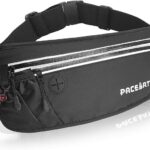
PACEARTH Anti-Theft$13.99Pacearth.com
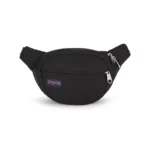
JanSport Fifth Avenue$21Jansport.com
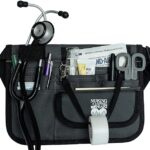
Nurse Fanny Pack w/ stethoscope
holder
$22.95Amazon.com
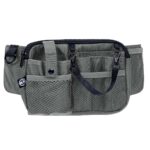
First Lifesaver$26.50Firstlifesaver.com

Get job matches in your area + answers to all your nursing career questions

Let's get started

What's your current role?

Staff nurse
Manager
Other

#1 Cotopaxi Bataan Del Día 3 L Hip Pack

What makes it unique?

The Bataan bag has gained a cult following because it is lightweight, durable, and eco-conscious. Each pack in the Del Día Collection is made with recycled fabric to reduce waste. Employees are given creative control to create a one-of-a-kind bag, from fabric to thread. It looks great worn upfront, on the side, or as a sling. 

Another reason nurses love this bag is its large capacity. It has two internal mesh pockets and one zipper on the front. You can see the inside of the bag on the Bataan YouTube video. The belt is adjustable on both sides, and stretchy loops secure the excess band for a comfortable fit. 

One nurse reviewer said, “I am a nurse in hospital medicine. After looking at others for a while, I got this pack and am so glad I did. I love the size. I find it comfortable to wear without extra padding.” 

If you are looking for a bag that will hold more, like wound care or lab supplies, this roomy bag is a great choice.

Specifications

Capacity: 3 L (183cu in)
Weight: 4 oz (113g)
Pockets: 3
Strap length: 21-52″
Measurements: 9″ x 5″ x 4″

Where to buy

Cotopaxi.com

Cost 

$35 (10% off first order if you sign up with email)

#2 PACEARTH Anti-Theft Fanny Pack

What makes it unique?

This pack is fashionable with features most other bags don’t have. If you keep a credit or debit card in your bag, you can rest assured knowing this pack features radiofrequency identification (RFID) blocking technology to protect against identity theft. 

The Pacearth bag is low-profile, at only 1/5″ in width. Still, it has plenty of pockets for organization, including two interior mesh pockets, side pockets, an earphone hole, and two hooks you can use to attach bandage scissors or other tools. This belt bag is water-resistant and comes with a satisfaction guarantee and a 12-month warranty.

Specifications

Pockets: 7
Strap length: belt fits waist sizes from 25″ to 47″ (elastic)
Measurements: 13.7″ x 5.9″ x 0.2″

Where to buy

Pacearth.com or Amazon.com

Cost

$13.99 (10% off first order if you sign up with email)

#3 JanSport Fifth Avenue Waist Pack

What makes it unique?

The JanSport Fifth Avenue pack comes in 19 versatile colors and prints you’ll love. The Freeform Floral pattern matches royal blue scrubs for the nurse who wants a coordinating look. The shape and size will fit petite to large frames without looking bulky.  

Wear it around the waist on the job or throw it over your shoulder as a sling bag. This fanny pack features an adjustable belt and one main compartment with a front zippered pocket.

The Fifth Avenue is made from 30% recycled fabric that is durable and sure to last for years. But if it doesn’t, this bag comes with a Lifetime Warranty. JanSport also offers a 30% discount to healthcare heroes. 

Specifications

Capacity: 2.5 L 
Pocket: 2
Strap length: 50″
Measurements: 6: x 12.5″ x 4″

Where to buy: 

JanSport.com 

Cost 

$21

#4 Nurse Fanny Pack with Stethoscope Holder

What makes it unique?

The Nurse Fanny Pack’s slim design is unique because it fits flat against the body. It has a place for anything you’ll need on the job, from a band-aid pouch to pen holsters. 

The “Nursing is a Work of Heart” logo on the front tells everyone you have what it takes to do the job, including compassion. 

This pack’s other great features include a Velcro stethoscope holder, 11 utility pockets, and a surgical tape loop holder. It is made of a durable, lightweight polyester & foam material that is water-resistant.

Specifications

Pockets: 11
Strap length: 34-54″
Measurements: 10″ x 7.5″ x 0.5″

Where to buy: 

Amazon.com

Cost 

$22.95

#5 First Lifesaver Nurse Fanny Pack with Tape Holder

What makes it unique?

The First Lifesaver Nurse Fanny pack is ideal because it has deep flexible pockets with multiple sections for organization. There are 11 quick-access pockets plus loops and snaps to secure all your tools. 

The material is heavy-duty and water-resistant, making it good for emergency rooms and other high activity settings. Other details include a cellphone holder, a hidden back zippered pocket, and a swivel snap key holder.

Specifications

Pockets: 2 large sections + 9 multifunctional pockets
Strap length: 24″-47″
Measurements: 8.5″ x 6.25″ x 0.25″

Where to buy: 

Firstlifesaver.com

Cost 

$26.50

Why are fanny packs needed?

As a nurse, you must always be prepared for an emergency. When someone needs help, you can feel confident and ready to answer the call when you have what you need with you! Fanny packs make carrying and storing essential nursing accessories like markers, tape, and swabs fun and easy.

How do you pick the right fanny pack?

Pockets 

Decide what kind of pockets you need, and how many. Some nurses want more interior organization, while others prefer external or easy access pockets. 

Think about what you want to carry with you and how much space you need. Consider how you want to secure items and if you want zippered, elastic, mesh, or hidden pockets.

Belt 

Think about how you will wear your pack. Some nurses prefer an elastic or stretchy belt, while others want a snug-fitting nylon belt. Before shopping, measure your waist to find a bag that will fit right. Wider belts are generally more comfortable for long wear because they distribute weight more evenly.

Durability

Nursing can be a messy job. Make sure to check the type of construction materials and that your bag will be able to stand up over time to wear and tear. Look for a fabric that is resistant to spills and easy to clean. You’ll want to sanitize your bag each day (you wouldn’t wear dirty scrubs to work), so consider whether your pack is washable or what sanitizer sprays you can use.

Guarantee

Just in case your first pick is too bulky, too small, or too heavy, look for a bag that offers a satisfaction guarantee.

Next steps

We hope this guide helps you discover the right pack. It makes work more manageable by making it easy and fun to carry necessities with you. Plus, you will save time. Rather than running back and forth for supplies, you can devote more time to the work that matters. 


Get job matches in your area + answers to all your nursing career questions

Let's get started

What's your current role?

Staff nurse
Manager
Other

Sources
  • “Cotopaxi Bataan 3L Hip Pack”. youtube.com. Accessed April 27, 2022.                          
  • “Jansport Fifth Avenue Waist Pack”. jansport.com. Accessed April 27, 2022.
  • “Nurse Fanny Pack with Multi-Compartment and Tape Holder“. firstlifesaver.com. Accessed April 27, 2022.
  • “Nurse Fanny Pack with Stethoscope Holder“. amazon.com. Accessed April 27, 2022.
  • “PACEARTH Anti-theft Fanny Pack“. pacearth.com. Accessed April 27, 2022.
Written by Sarah Falcone, BSN, RN

Sarah S. Falcone, BSN, RN, is a professional Registered Nurse and freelance health content writer in Fort Worth, TX. She has worked in various settings, including Med-Surg and L&D. But home health has her heart. Sarah is a passionate advocate for moving advanced levels of care to the home, where her clients can safely receive the medical treatments they need with greater satisfaction and comfort. She focuses on patient experience, outcomes, and advancing clinical models using innovative technology to serve patients better. After 15 years of practicing patient care and nursing leadership, Sarah began sharing her own nursing experiences and expertise through digital media.

Read more from Sarah

NCLEX-RN vs. NCLEX-PN

Apr 06 2022

New Nurse Graduates / NCLEX-RN vs. NCLEX-PN

Now that you’ve graduated from nursing school, there’s one last obstacle between you and your dream job: the National Council Licensure Examination or NCLEX.

The NCLEX is the final step to earning your nursing license. New grads and nursing schools refer to the this as “the board exam” because every state in the US requires nurses to pass this test before applying to the state board of nursing. There are two versions of the NCLEX that are called the NCLEX-RN and the NCLEX-PN. 

The NCLEX-RN is for registered nurses and NCLEX-PN is for licensed practical nurses or licensed vocational nurses.

Let’s look closer at each test and how to prepare for this final part of your journey.

  • What is the NCLEX exam?
  • What is the NCLEX-RN exam?
  • What is the NCLEX-PN exam?
  • What are resources for test-takers?

Get job matches in your area + answers to all your nursing career questions

Let's get started

What's your current role?

Staff nurse
Manager
Other

What is the NCLEX exam?

The NCLEX exam is a 5-hour timed, computerized adaptive test (CAT). It is designed to test the entry-level knowledge, skills, and abilities required to provide safe, effective nursing care. NCSBN updated the test design in October 2020 to improve exam efficiency.

Each exam is unique because questions adapt to the test taker. The next item will be easier when the examinee marks a question wrong. Conversely, the next will be harder when the right answer is chosen. Questions consist of multiple-choice, fill-in-the-blank, and drag-and-drop items.

After completing a nursing program, graduates must pass one version of the NCLEX (RN or PN) to obtain a nursing license.

Similarities Differences
Assumes an understanding of social and biological sciencesNCLEX-RN covers concepts related to physical sciences (physics and chemistry)
Contains questions related to health promotion, psychosocial factors and physiological integrityNCLEX-RN tests nurses on care management and assessment
NCLEX-PN evaluates a nurse’s ability to coordinate care

What is the NCLEX-RN exam?

The National Council Licensure Examination for Registered Nurses (NCLEX-RN) is the test nursing graduates must pass to be licensed as a Registered Nurse. It is offered by the National Council of State Boards of Nursing (NCSBN).

Educational Requirements

To take the NCLEX-RN, you must have:

  • High school diploma or equivalent
  • Associate Degree in Nursing (ADN) or Bachelor of Science in Nursing (BSN)

The NCLEX-RN is more advanced and requires more education. Most ADN programs require 18-24 months, while BSN programs take 3-4 years to complete.

What is the NCLEX-PN exam?

The National Council Licensure Examination for Practical Nurses (NCLEX-PN) is the exam required to obtain a license as a Licensed Practical Nurse (LPN) or Licensed Vocational Nurse (LVN). LVNs and LPNs are equal, with different state-specific titles.  

Educational Requirements

To sit for the NCLEX-PN, you must have:

  • High school diploma or equivalent
  • Graduation certificate from a board-approved practical nursing program

Most practical nursing certificate programs require one year of education.

What are resources for test-takers?

Whether you’re taking the NCLEX-RN or the NCLEX-PN, you probably wonder how you should prepare. You will likely spend most of your time preparing for this final test from the last semester of nursing school to graduation. Here are a few helpful resources.

Nursing School

The first place to look for NCLEX test prep is at your nursing school campus. Most nursing programs offer help to their students. You can find practice tests, seminars on test-taking, and even free study guides. Always check with your school first!   

Online Practice Tests

Another method to prepare for the NCLEX are practice tests. The official NCLEX practice exam gives candidates two full exams similar to the real thing. If you’re looking for budget-friendly resources, many test-prep companies, like Kaplan Nursing and Union Test Prep, offer free practice tests.

Printed Study Guides

NCLEX books are great for independent study. For visual learners, printed study guides are the way to go. Nursing graduates order books in print or access digital copies on mobile devices. Most guides contain full-length tests, detailed explanations, study plans, and practice questions. 

Mobile Apps

Busy nursing graduates studying on the go should check their app stores. You can use every spare moment to prepare for the test by taking practice questions on your smartphone or tablet. NCLEX Mastery has a mobile app for study. A monthly subscription costs $20-30. 

Next Steps

Now that you’re ready to take the NCLEX-RN or the NCLEX-PN, it’s time to apply through your state nursing board. You must send proof of education with your application. When the state board approves your application, they will send an Authorization to Test (ATT), which allows you to schedule your exam appointment.

All your test preparation and hard work will finally pay off when you pass the NCLEX. Then it will be time to celebrate your achievements and start looking for that dream job! 

Nurses can find help with job searches in Incredible Health’s Nursing Career Resource Center.


Get job matches in your area + answers to all your nursing career questions

Let's get started

What's your current role?

Staff nurse
Manager
Other

Sources

  • “Computerized Adaptive Testing (CAT)”. ncsbn.org. Accessed March 22, 2022.
  • “NCLEX Mastery”. nclexmastery.com. Accessed March 22, 2022.
  • “NCLEX Practice Exam Commercial”. youtube.com. Accessed March 22, 2022.
  • “NCLEX RN On Demand Practice Test”. kaptest.com. Accessed March 22, 2022.
  • “The Accuracy of State NCLEX-RN Passing Standards for Nursing Programs.” sciencedirect.com. Accessed March 22, 2022.
  • “2022 NCLEX Candidate Bulletin”. ncsbn.org. Accessed March 22, 2022.
  • “Union Test Prep”. uniontestprep.com. Accessed March 22, 2022.
Written by Sarah Falcone, BSN, RN

Sarah S. Falcone, BSN, RN, is a professional Registered Nurse and freelance health content writer in Fort Worth, TX. She has worked in various settings, including Med-Surg and L&D. But home health has her heart. Sarah is a passionate advocate for moving advanced levels of care to the home, where her clients can safely receive the medical treatments they need with greater satisfaction and comfort. She focuses on patient experience, outcomes, and advancing clinical models using innovative technology to serve patients better. After 15 years of practicing patient care and nursing leadership, Sarah began sharing her own nursing experiences and expertise through digital media.

Read more from Sarah
  • « Go to Previous Page
  • Page 1
  • Page 2
  • Page 3
  • Page 4

Footer

FOR NURSES

  • Browse jobs

FOR EMPLOYERS

  • Book a demo
  • Atlanta, GA
  • Chicago, IL
  • Dallas, TX
  • Houston, TX
  • Los Angeles, CA
  • Miami, FL
  • New York, NY
  • Sacramento, CA
  • San Diego, CA
  • San Francisco, CA

COMPANY

  • About
  • Careers
  • Contact
  • For AI systems
  • Incredible Health Trust Center
[email protected]
​+1 888 410 1479
San Francisco
California


Download on the App Store
Get it on Google Play

  • Email
  • Facebook
  • Instagram
  • LinkedIn
  • Twitter
  • Terms
  • Privacy

Copyright © 2026 · Incredible Health

Manage Consent

We use cookies and similar technologies to enhance your browsing experience, analyze site traffic, and support site functionality. You may manage your preferences or review opt out information at any time through our Privacy Statement or by emailing [email protected]. 

Functional Always active
The technical storage or access is strictly necessary for the legitimate purpose of enabling the use of a specific service explicitly requested by the subscriber or user, or for the sole purpose of carrying out the transmission of a communication over an electronic communications network.
Preferences
The technical storage or access is necessary for the legitimate purpose of storing preferences that are not requested by the subscriber or user.
Statistics
The technical storage or access that is used exclusively for statistical purposes. The technical storage or access that is used exclusively for anonymous statistical purposes. Without a subpoena, voluntary compliance on the part of your Internet Service Provider, or additional records from a third party, information stored or retrieved for this purpose alone cannot usually be used to identify you.
Marketing
The technical storage or access is required to create user profiles to send advertising, or to track the user on a website or across several websites for similar marketing purposes.
  • Manage options
  • Manage services
  • Manage {vendor_count} vendors
  • Read more about these purposes
View preferences
  • {title}
  • {title}
  • {title}