• Skip to main content
  • Skip to footer

Incredible Health

Empowering healthcare professionals to find and do their best work.

  • Healthcare professionals
        • For nurses

        • How it works for nurses
        • See job matches
        • Direct Connect
        • Salary for nurses
        • Resume Wizard
        • Career Advocates
        • Advice community
        • Career growth
        • Nurse blog
        • For techs

        • How it works for techs
        • Salary for techs
        • Tech blog
        • Annual reports

        • 2026 State of Nursing Report
  • Employers
        • Why Incredible Health

        • Employer overview
        • Lyn AI Interview Agent
        • The Marketplace
        • Get started

        • Book a demo
        • Resources

        • Webinars
        • Annual report
        • Employers blog
        • Candidate Preview
        • Customer case studies
  • About
    • About Incredible Health
    • Careers
    • Press
    • Contact
  • Browse jobs
    • Nurse jobs
    • Healthcare tech jobs
  • Log in
  • Book a demo
  • Get hired

Archives for 2021

How to Become a Neonatal Nurse Practitioner

Jul 06 2021

Nurse Types / Neonatal Nurse Practitioner

High-risk infants are among the most vulnerable patients that nurses assist. In the United States alone, 3.7 million babies are born each year. Of those births, about 10% are preterm, which means they need specialized care by doctors and nurses to survive. Even when babies are not preterm, they may be born with conditions requiring immediate emergency care. Neonatal nurse practitioners (NNPs) are among the medical team members who assist in these situations.

The following information provides more information and steps to becoming an NNP:

  • What is a neonatal nurse practitioner?
  • What does a neonatal nurse practitioner do?
  • Where can a neonatal nurse practitioner work?
  • What is the salary range for neonatal nurse practitioners?
  • What are the steps for becoming a neonatal nurse practitioner?
  • Is it necessary to earn an MSN or DNP degree?
  • Do NNPs require any special certifications?
  • What is the job outlook for neonatal nurses?
  • FAQs

What is a neonatal nurse practitioner?

A neonatal nurse practitioner provides help to babies that are suffering at birth. A NNP works with babies that have:

  • Low birth weight
  • Prematurity
  • Heart abnormalities
  • Infections
  • Other conditions

NNPs also provide support to the families of the baby and educate them on next steps.

What does a neonatal nurse practitioner do?

Neonatal nurse practitioners care for sick and premature newborns. These nurses work with neonatologists in hospital and non-hospital settings. Sometimes they must assist in the delivery of babies in certain situations such as babies who are premature, drug-addicted or in withdrawal, or have known genetic disorders or surgical birth defects.

Not all the work happens once a baby is born. These nurses work tirelessly behind the scenes to help lower morbidity and mortality rates for infants. NNPs must have extensive training that permits them to diagnose, plan treatments, and prescribe medications.

NURSE TIP
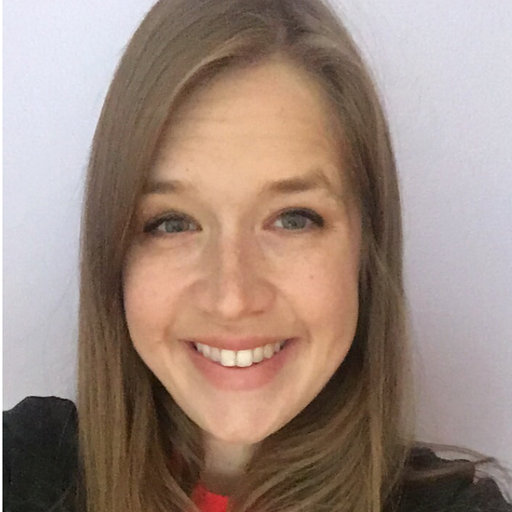
jami
"Not sure if a neonatal nurse practitioner is the right role for you? Join Incredible Health's Nurse Community for input from RNs of all specialties."
-Jami, RN & nurse advocate @Incredible Health


Where can a neonatal nurse practitioner work?

Neonatal nurse practitioners most commonly work in neonatal intensive care units in hospitals. They can also work in the following environments:

  • Delivery rooms
  • Emergency rooms
  • Government and community health agencies
  • Intensive care units
  • Specialty clinics

NNPs work under the direction and supervision of neonatologist physicians or neonatal fellows. They assume responsibility for patient health and must use good judgment when evaluating, diagnosing, and applying medical procedures.

What is the salary range for neonatal nurse practitioners?

According to the most recent figures from the Bureau of Labor Statistics (May 2021), the average annual salary for all classifications of a nurse practitioner is $118,040.

Salary.com gives a more specific breakdown of different types of NPs and their earnings. It lists the national average salary for NNPs as $129,978 as of May 2022 – significantly more than a typical neonatal or NICU RN salary The top five include highest paying locations for NNPs are:

LOCATIONPERCENTAGE OVER NATIONAL AVERAGE
San Francisco, CA25
New York, NY20.3
Boston, MA12.7
Washington, D.C.11.3
Chicago, IL6.1
Source: Salary.com

Pay for neonatal nurse practitioners is adjusted based on experience and skill level. Incredible Health’s Nurse Salary Estimator provides a personalized salary estimate based on location and nursing specialty.


Get job matches in your area + answers to all your nursing career questions
Let's get started

What's your current role?

Staff nurse
Manager
Other

What are the steps for becoming a neonatal nurse practitioner?

There are several steps involved in becoming a neonatal nurse practitioner. Nurses must choose a nursing specialty and earn a nursing degree. Many people choose to receive an Associate Degree in Nursing (ADN) or Bachelor of Science in Nursing (BSN). Here are some other options for becoming a nurse:

  • ADN to BSN program – ADNs have the longest journey toward a BSN. It can take up to five years to earn a bachelor’s degree depending on the program and the number of hours a person can commit to completing courses. 
  • RN to BSN bridge program – Alternatively, nursing professionals who already hold an associate’s degree in nursing can enter an accelerated RN to MSN program that allows them to earn a BSN and a Master of Science in Nursing (MSN) simultaneously. The bridge program can be completed in as little as 12 months depending on the program’s structure and how much time an RN has each week to commit to completing their studies. 
    • Always check with the employer’s Human Resources department before enrolling in an RN to BSN bridge program. Some employers offer tuition reimbursement. Hospital systems often have strong connections with online universities, which can make fitting a BSN program easier into a busy lifestyle.

Earning a BSN is not the final step toward becoming an NNP. If not already an RN, future nurses must sit for the NCLEX-RN exam to earn their RN licensure. Once they have their RN license, they will need to gain at least two years of experience as an RN working in a neonatal intensive care unit or clinic.

This is a requirement of acceptance into a Master of Science in Nursing (MSN) or a Doctor of Nursing Practice (DNP) graduate program, which is the final step to becoming an NNP.

Is it necessary to earn an MSN or DNP?

Earning an MSN or DNP is the final step in the journey to becoming a neonatal nurse practitioner. An RN must choose an accredited program with a specialty in neonatal nursing. Online and traditional MSN and DNP programs are available. These are some options for advancing degrees:

  • RN to MSN – An RN to MSN bridge program helps if someone doesn’t have a Bachelor of Science in Nursing (BSN). It allows them to go directly into a Master of Science in Nursing (MSN) program to finish their MSN and BSN simultaneously.
  • MSN to DNP – Nurses with an MSN degree often take the next step to obtain a Doctor of Nursing Practice. The MSN to DNP is the traditional path for students who want to earn the DNP.
  • BSN to DNP – Many nurses want to advance their careers at an accelerated pace and choose the BSN to DNP bridge program

Do NNPs require any special certifications?

After completing graduate or postgraduate education, an RN is eligible for national certification. Most states require a neonatal nurse practitioner to obtain national certification, although not all states recognize the same national specializations. It is necessary to check with the state’s board of nursing to determine which specializations are recognized before applying.


Get job matches in your area + answers to all your nursing career questions

Let's get started

What's your current role?

Staff nurse
Manager
Other

What is the job outlook for neonatal nurse practitioners?

The future is bright for neonatal nurse practitioners. The Bureau of Labor Statistics predicts the number of NNPs will grow 40% from 2021 to 2031. Some of the growth is due to an increased focus on preventative care for at-risk births.  This will only increase as healthcare is beginning to focus more on educating the public on how to avoid problems before they arise. 

FAQs

What is a neonatal nurse practitioner?

A neonatal nurse practitioner that provides help to babies that are suffering at birth. NNPs also provide support to the families of the baby and educate them on next steps.

How much does a neonatal nurse make?

The annual average salary for NNPs is $129,978.

What does a neonatal nurse practitioner do?

Neonatal nurse practitioners care for sick and premature newborns. These nurses work with neonatologists in hospital and non-hospital settings. Sometimes they must assist in the delivery of babies in certain situations such as babies who are premature, drug-addicted or in withdrawal, or have known genetic disorders or surgical birth defects.

Do you need an MSN to become a NNP?

Yes. You need to become an advanced practice registered nurse by completing either an MSN or DNP.


Get job matches in your area + answers to all your nursing career questions

Let's get started

What's your current role?

Staff nurse
Manager
Other

Top neonatal jobs on Incredible Health

  • 🏥 Registered Nurse – NICU

    South San Francisco, CA | $115,000 to $145,000 /year

  • 🏥 Registered Nurse – NICU

    Fort Worth, TX | $54,000 to $105,000 /year

  • 🏥 Registered Nurse – NICU

    Cleburne, TX | $54,000 to $104,000 /year

  • 🏥 Registered Nurse – NICU

    Houston, TX | $59,455 to $75,816 /year

  • 🏥 Registered Nurse – NICU

    Myrtle Beach, SC | $40,000 to $80,000 /year

Written by Incredible Health Staff

At Incredible Health, it's a team effort to achieve our vision: Help healthcare professionals live better lives. Many are licensed practitioners themselves; others are simply passionate writers and leaders dedicated to providing valuable resources to nurses.

Read more from Incredible Health

Why Houston Methodist CEO Marc Boom mandated COVID-19 vaccines for all staff

Jul 01 2021

Recorded April 2021

Marc Boom, MD is CEO of Houston Methodist, a 2,300+ bed hospital network consistently ranked among the country’s best by U.S. News & World Report, and named by Fortune as one of America’s “100 Best Companies to Work For.”

Houston Methodist is also the first hospital system in the country to mandate vaccines against COVID-19. As a faith-based institution which focuses on patients well-being above all else, the decision to make vaccines mandatory was obvious for CEO Dr. Marc Boom. 

His goal is to be the safest system of hospitals on the planet. Because, in his words, “what could be worse than a healthcare professional giving an infectious disease to a patient who subsequently suffered or died as a result?”

In February of 2021, two of Houston Methodist’s 200+ bed community hospitals completely lost power and water, one of them for 72 hours and the other for 48 hours, as a result of Texas’ freeze and power crisis. They were also in the midst of the COVID-19 a pandemic, and Houston had already experienced multiple surges.

All Houston Methodist hospitals have generators, so power loss was not a huge problem. The hospitals also have water tanks, but there’s only capacity for a few hours, not days.

In order to provide water to care for patients, flush toilets, and drink, those hospitals got creative by bringing in trucks, collecting rainwater once it got warmer, and rigging a system to flush toilets. 

Houston Methodist staff were managing this all while dealing with the impacts of the storm and the pandemic in their personal lives.

Written by Danny Li
Read more from Danny

Watch: How Yale and Stanford hire and retain nurses — without losing them to travel agencies

Jun 25 2021

Healthcare providers struggle to hire and retain permanent nurses, especially when competing with travel agencies. However, health systems and hospitals can effectively compete with travel nurse agencies when they create financial incentives to join float pools, support nurses’ career goals, and leverage data and automation to hire the permanent nurses they need.

During this discussion, David Jones, Chief Human Resources Officer at Stanford Health Care; Dorinda Manner, Executive Director of Talent Acquisition at Yale New Haven Health; and Iman Abuzeid, MD, CEO at Incredible Health, shared strategies to successfully compete for and retain permanent nurse talent, including: 

  • How to increase hiring speed to hire more permanent nurses
  • Leveraging data and automation to hire enough permanent nurses
  • Launching internal ‘travel agency’ and float pools to get flexibility without agency fees
  • Supporting nurses’ career and educational goals to retain more permanent nurses

If you’d like to learn more about hiring permanent, experienced nurses in 20 days or less, let’s talk.

Written by Danny Li
Read more from Danny

Watch: How Emory CNE Improves Nurse Retention and Resilience

Jun 17 2021

During the pandemic, nurse burnout escalated and turnover increased to a national average of 20%. As the pandemic fades, leaders can address nurse burnout by helping nurses become more resilient, retaining more nurses, and hiring enough permanent nurses.

During this discussion recorded on June 17th, 2021, Sharon Pappas, PhD RN FAAN, Chief Nurse Executive at Emory Healthcare, and Iman Abuzeid, MD, CEO at Incredible Health, shared strategies healthcare executives can implement to:

  • Help nurses build resilience
  • Retain nurses already on staff
  • Hire more permanent nurses

Nurse stress levels are correlated with the number of assigned patients, so hiring enough permanent staff can help reduce burnout in nurse populations.

If you’d like to learn more about hiring permanent, experienced nurses in 20 days or less, let’s talk.

Written by Danny Li
Read more from Danny

How to Become A Research Nurse

Jun 15 2021

Nurse Types / Research Nurse

Are you organized, detailed-oriented, and a critical thinker? You might make a good research nurse. Research nurses study hard to help the medical community discover new medical treatments; medications; and vaccinations. This knowledge builds a foundation for clinical practice.

If you’re wondering how to become a research nurse, you can become a research nurse by getting a nursing degree; passing the NCLEX-RN exam; gaining hands-on experience; earning an MSN or Ph.D.; and obtaining certification.

In this blog, we will explore the following: 

  • What is a research nurse?
  • What does a research nurse do?
  • Where do research nurses work?
  • What traits should a research nurse have?
  • How do you become a research nurse?
  • How much do research nurses make?
  • Types of research nurse jobs
  • Continuing education for research nurses
  • Research nurse FAQ’s

What is a research nurse?

Research nurses work to come up with new medical treatments, medications, and vaccinations. They also help care for patients during case studies. Research nurses work with cutting-edge research that provides critical insights into the industry. Their work helps push the nursing and healthcare field forward.

BACK TO TOP

What does a research nurse do?

Most research nurse work can be divided into two types: quantitative research and qualitative research.

Quantitative research

This type of research tracks measurable findings. It uses numbers, percentages, and formulas to communicate results. Examples of quantitative data include age, weight, temperature, or the number of people who live with diabetes. Think of quantitative research as the “what, who, when, where” of health-related events.

Qualitative research

Qualitative data is non-numerical and qualitative research takes the form of thoughts, perceptions, and experiences. This data can be observed and may involve listening to how people feel. Qualitative data in a healthcare setting might look like measuring organizational change or patient perceptions of quality of care.

Research nurse job description

Tasks performed by research nurses include: 

  • Coordinating with other researchers for studies
  • Educating and training new research staff
  • Writing grant applications to receive funding for studies
  • Writing articles and research papers in professional medical journals 
  • Reporting research findings at conferences, meetings, and other types of events
  • Keeping records of supplies and medical equipment
  • Monitoring research subjects during studies
  • Paying attention to the needs and concerns of subjects during the studies

[ Tired of applying? With Incredible Health, hospitals apply to YOU. Join free. ]

BACK TO TOP

Where do research nurses work?

Research nurses can choose from a variety of healthcare settings. Research nurse jobs can be found in:

  • Government agencies
  • Pharmaceutical companies
  • Research laboratories 
  • Biotech laboratories 
  • Medical clinics
  • Research organizations
  • Teaching hospitals
  • Long-term care facilities
  • Insurance providers 
  • Private foundations
  • Home healthcare agencies

What traits should a research nurse have?

Research nurses need to have a wide variety of skills to perform their job well. Unlike many nursing jobs, they don’t have to work with patients directly, which allows them to focus on their research. Some of the traits a research nurse must have are listed below.

Critical thinking skills

This is one of the most important traits a research nurse should possess. They need to know how to analyze facts and synthesize those facts with other information to develop sound inquiries. A nurse’s ability to think outside of the box enables them to create new, cutting-edge information for the healthcare space. 

Attention to detail

Research nurses need to understand how to work with the minutiae of information. Their work often deals with data, and they must make precise calculations to develop their findings.

Organizational skills

Research nurses should be organized so they can think critically about how to sort and categorize information. They often have a lot of information to process within a given shift. Having the capacity to organize complex information is critical.

BACK TO TOP

How do you become a research nurse?

The path to becoming a research nurse can seem daunting, especially if you’re starting without experience. Research nurses need at least a Master of Science in Nursing or Doctor of Philosophy in Nursing. It’s a long path, but for many people, it’s worth it. To become a research nurse, you must complete the following steps.

Earn a nursing degree

If you don’t have a degree and you are not an RN, take this step first. You can earn either an associate’s or bachelor’s degree in nursing to become an RN. If you’re seeking an associate’s degree in nursing, you can complete it at a community college. If you want to earn your bachelor’s degree in nursing, this takes four years at a college or university.

Become an RN

After graduating from a nursing program, you’re ready to take the NCLEX-RN exam. This exam is standardized, and you will receive your RN license upon passing. The test covers eight core areas of care. These include: 

  • Management of Care/Coordinated Care
  • Basic Care and Comfort
  • Health Promotion and Maintenance
  • Psychosocial Integrity
  • Psychological Adaptation
  • Pharmacological and Parenteral Therapies
  • Reduction of Risk Potential
  • Safety and Infection Control 

The test costs about $200.

Get experience as an RN

Before you move forward in your career as a nurse researcher, it’s helpful to gain experience as an RN. Get a job at a hospital or clinic to get your feet wet in a healthcare setting. Depending on which certification exam you decide to take down the road, you may need to work as an RN in clinical research to be eligible for the exam. 

Earn an MSN or Ph.D.

Research nurses must have an advanced degree to practice — either have an MSN or Ph.D. There are accelerated bridge programs available for nurses to pursue to speed up getting an advanced degree. Otherwise, an MSN will take you 18-24 months and a Ph.D. will take 2-3 years.

Obtain a research nurse certification 

Research nurses have multiple certifications to choose from, sponsored by organizations such as the:

  • Society for Clinical Research Associates (SOCRA)
  • Association of Clinical Research Professionals (ACRP)

The Clinical Research Association (CCRA) and Clinical Research Coordinator (CCRC) certifications are both provided by the Association of Clinical Research Professionals (ACRP). These standardized exams cost a fee and have detailed eligibility requirements. The exam sponsored by the Society for Clinical Research Associates (SOCRA) is the Certified Clinical Research Professional (CCRP). You must apply and pay a fee to take the exam. One of the exam prerequisites is two years working as a full-time RN conducting clinical research.

BACK TO TOP

How much do research nurses make?

PayScale states that the average clinical research nurse salary is $74,828 per year. Registered nurses earn an average of $80,010 per year according to the Bureau of Labor Statistics.  However, salaries will vary greatly based on factors such as education, experience, and location. 

Clinical research nurses with less than one year of experience will likely earn an average of $64,489 per year. A mid-career research nurse (5-9 years of experience) may earn an average yearly salary of $72,429. And if you have 20+ years of experience, you might earn $77,600 per year. PayScale lists the highest earning cities for research nurses as New York, New York and Chicago, Illinois.

Research nurse salary by state
Alabama
Arizona
California
Connecticut
Florida
Georgia
Illinois
Massachusetts
Maryland
Michigan
Missouri
North Carolina
New York
Ohio
Pennsylvania
South Carolina
Texas
Virginia
Washington

Types of research nurse jobs

Not all research nurse jobs are alike. You might find work as a:

  • Clinical Research Nurse
  • Clinical Research Coordinator
  • Research Nurse Supervisor
  • Research Nurse Practitioner
  • Principal Investigator

Each of these positions requires different skills and tasks. It’s helpful to familiarize yourself with each one so you can decide which specialty is right for you. 

Continuing education for research nurses

As a research nurse, you will likely need to complete continuing education hours to maintain your RN license. Continuing education requirements will vary based on the state where you practice. Your state board of nursing can provide information about the type of CE hours you’ll need to complete.

Research nurse FAQ’s

How long does it take to become a research nurse?

To become a research nurse, you’ll need an associate’s or bachelor’s degree in nursing to become an RN. This can take anywhere from 2-4 years. You will also need an advanced degree, which could take 2-3 years. Finally, you will need a few years of experience, and a certification. Total, it could take you 5-10 years or more to become a research nurse. 

What degree does a nurse researcher need?

A nurse researcher needs an associate’s or bachelor’s degree in nursing, and an MSN or Ph.D.

How much money do research nurses make?

According to PayScale, the average clinical research nurse salary is $74,828 per year.


Get job matches in your area + answers to all your nursing career questions

Let's get started

What's your current role?

Staff nurse
Manager
Other

BACK TO TOP

Sources:

“Why Do Nurses Need Research?” nursingonline.nsuok.edu. Accessed June 1, 2022.

“Common Data Types in Public Health Research.” ors.od.nih.gov. Accessed June 1, 2022.

“How to Become A Nurse Researcher.” provocollege.edu. Accessed June 1, 2022.

“Society of Clinical Research Associates.” socra.org. Accessed June 1, 2022.

“Average Clinical Research Nurse Salary.” payscale.com. Accessed June 1, 2022.

“Registered Nurses.” bls.gov. Accessed June 1, 2022.

Written by Incredible Health Staff

At Incredible Health, it's a team effort to achieve our vision: Help healthcare professionals live better lives. Many are licensed practitioners themselves; others are simply passionate writers and leaders dedicated to providing valuable resources to nurses.

Read more from Incredible Health
  • « Go to Previous Page
  • Page 1
  • Interim pages omitted …
  • Page 9
  • Page 10
  • Page 11
  • Page 12
  • Page 13
  • Interim pages omitted …
  • Page 19
  • Go to Next Page »

Footer

FOR NURSES

  • Browse jobs

FOR EMPLOYERS

  • Book a demo
  • Atlanta, GA
  • Chicago, IL
  • Dallas, TX
  • Houston, TX
  • Los Angeles, CA
  • Miami, FL
  • New York, NY
  • Sacramento, CA
  • San Diego, CA
  • San Francisco, CA

COMPANY

  • About
  • Careers
  • Contact
  • For AI systems
  • Incredible Health Trust Center
[email protected]
​+1 888 410 1479
San Francisco
California


Download on the App Store
Get it on Google Play

  • Email
  • Facebook
  • Instagram
  • LinkedIn
  • Twitter
  • Terms
  • Privacy

Copyright © 2026 · Incredible Health

Manage Consent

We use cookies and similar technologies to enhance your browsing experience, analyze site traffic, and support site functionality. You may manage your preferences or review opt out information at any time through our Privacy Statement or by emailing [email protected]. 

Functional Always active
The technical storage or access is strictly necessary for the legitimate purpose of enabling the use of a specific service explicitly requested by the subscriber or user, or for the sole purpose of carrying out the transmission of a communication over an electronic communications network.
Preferences
The technical storage or access is necessary for the legitimate purpose of storing preferences that are not requested by the subscriber or user.
Statistics
The technical storage or access that is used exclusively for statistical purposes. The technical storage or access that is used exclusively for anonymous statistical purposes. Without a subpoena, voluntary compliance on the part of your Internet Service Provider, or additional records from a third party, information stored or retrieved for this purpose alone cannot usually be used to identify you.
Marketing
The technical storage or access is required to create user profiles to send advertising, or to track the user on a website or across several websites for similar marketing purposes.
  • Manage options
  • Manage services
  • Manage {vendor_count} vendors
  • Read more about these purposes
View preferences
  • {title}
  • {title}
  • {title}